
What is an SEO analysis?
An SEO analysis lays the foundation for every SEO campaign.
It analyzes the current state of the website in terms of technical, on-page, and off-page aspects.
SEO analysis will be used to identify opportunities for optimization and determine appropriate SEO measures.
What does an SEO analysis include?
As mentioned earlier, an SEO analysis generally covers three areas: technical, on-page, and off-page.
Below, I will explain in more detail what an SEO analysis entails.
Components of a technical SEO analysis
Bei meiner SEO Agentur beinhaltet die technische Analyse unter anderem folgende Bestandteile:
Crawling the entire website
Mit Ahrefs und ScreamingFrog crawlen wir die gesamte Website und identifizieren mit der Software potenzielle technische Probleme.
Durch erweitertes Filtern bei ScreamingFrog werden zusätzliche SEO-Probleme identifiziert, welche von der Software nicht standardmässig abgedeckt werden.
Drawing on our own expertise and experience, we then compile and prioritize all technical issues.
Page Speed Test
As part of our technical analysis, we also conduct a page speed test. For this, we use various tools such as PageSpeed Insights and Pingdom.
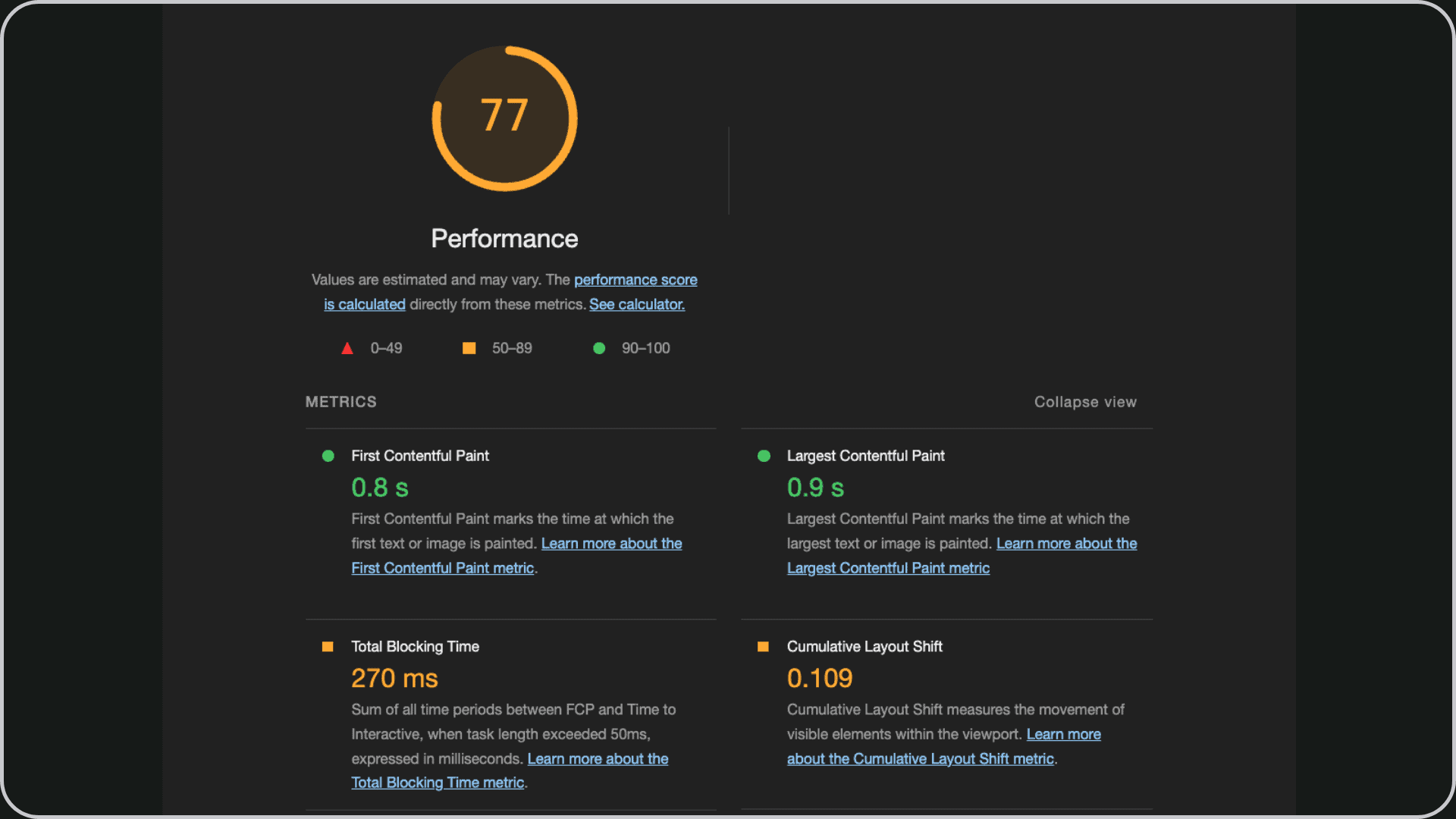
We also conduct tests for both the mobile and desktop versions.
Based on the findings of the tests, we identify potential measures for optimizing loading times.
Components of on-page analysis
The on-page analysis includes the following components.
SEO Keyword Analysis
A keyword analysis is part of every basic SEO audit.
Keywords are the terms your target audience types into Google to find information.
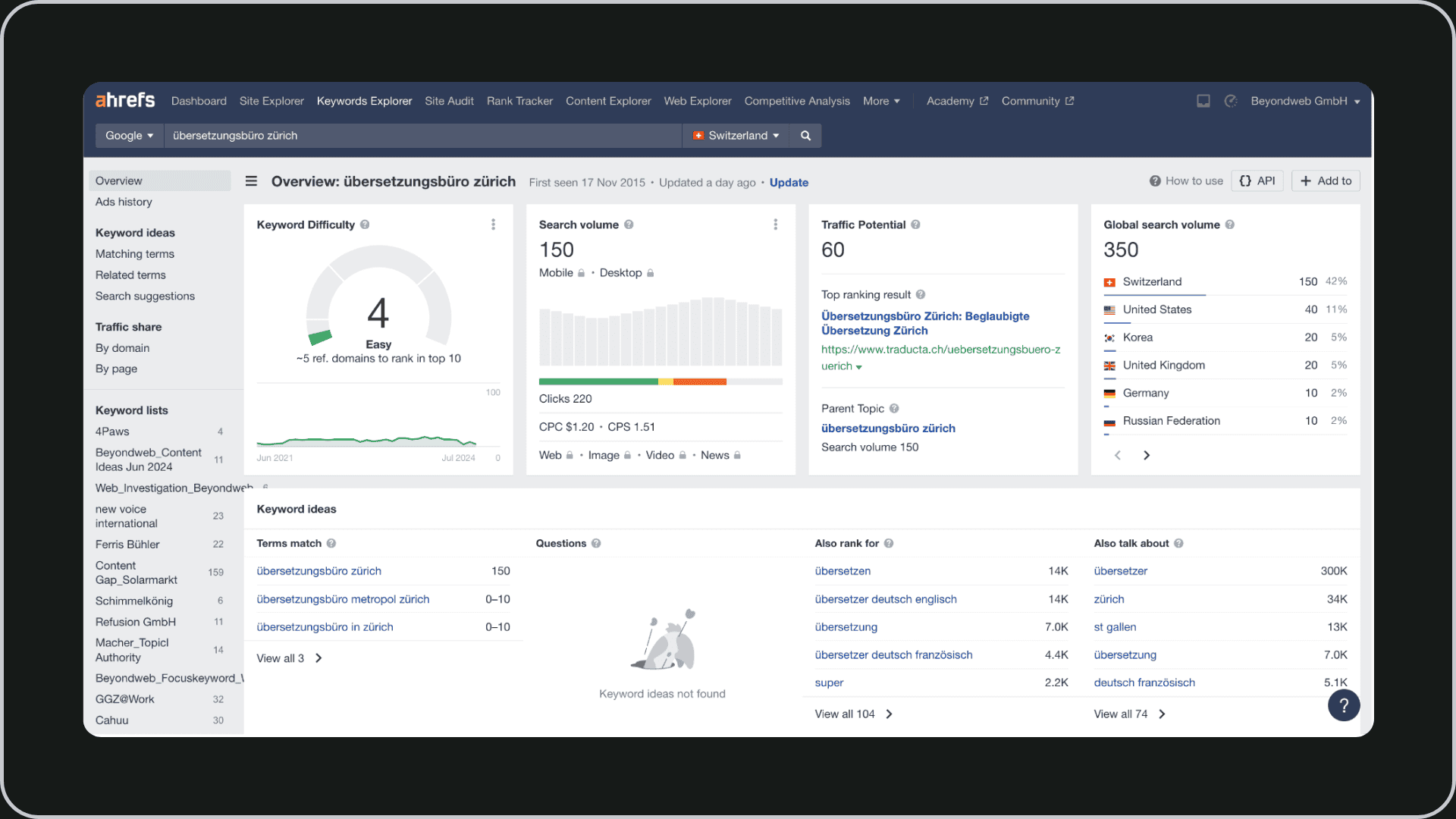
Using SEO analysis tools such as Google Search Console, Ahrefs, or SEMrush, businesses can identify keywords that have high search volume and lower competition.
These keywords should then be incorporated into the content optimization process.
Regularly reviewing and updating keywords is important for responding to changes in search behavior and achieving consistent SEO success.
You should identify relevant keywords based on your competitors’ keyword rankings, your own positioning, services, and key topics.
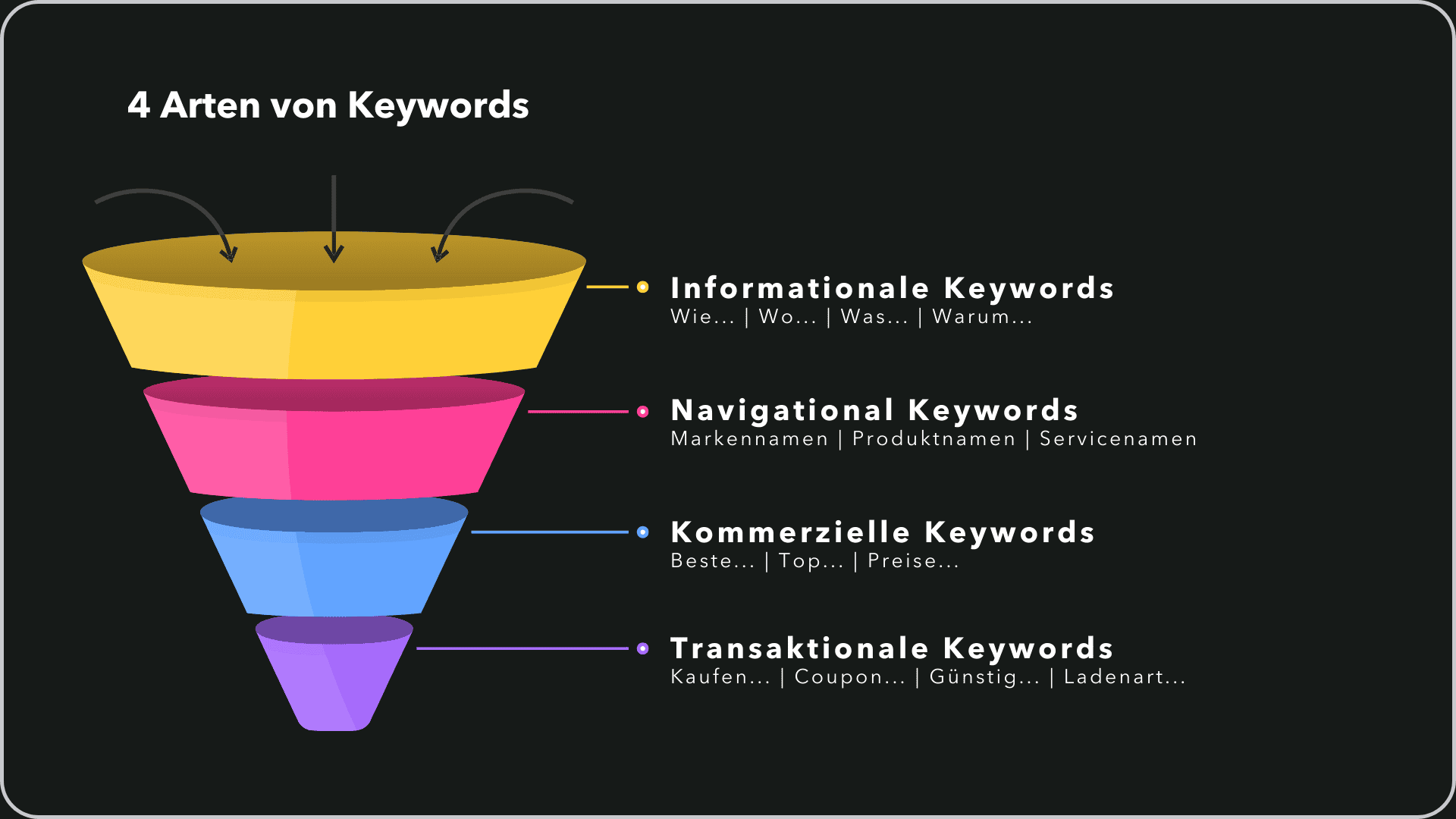
Generally speaking, there are four types of keywords:
- Informal keywords: These cover a search query looking for information on a specific topic.
- Navigierende Keywords: Keywords, die nach einer bestimmten Brand oder einer bestimmten Seite suchen.
- Commercial keywords: These are keywords that suggest an intention to purchase, even though the user is still in the decision-making phase.
- Transactional keywords: These are keywords that clearly indicate an intention to purchase a specific product or service.
The following key questions can be helpful in identifying relevant keywords:
- Does my website rank for industry-related keywords in my region?
- Does my website rank for industry-related keywords in my country?
- What search terms do the market leaders in my industry rank for?
Keyword Ranking Analysis
In addition to keyword research, a keyword ranking analysis is also conducted.
Die Verfolgung deiner Keyword-Rankings hilft dir einerseits, zu verstehen, wie es um deinen aktuellen Keyword-Optimierungsgrad steht und wie viele Keywords du bereits abdeckst.
Zudem helfen dir deine aktuellen Rankings, aber auch Quick Wins, eine SEO-Kampagne zu identifizieren.
So ist es insbesondere empfehlenswert, zu Beginn einer Kampagne Keywords zu fokussieren, wo deine Website aktuell bereits auf den Positionen 11–20 rangiert (Seite 2)

Why? With these keywords, you only need to move up a few spots to make it to page 1. Once you’ve made it to page 1, you’ll start driving traffic.
Keyword Gap Analysis
With keyword gap analysis, you can identify potential keyword opportunities based on your competitors.
Die Keyword-Gap-Analyse schaut sich an, für welche Keywords deine Konkurrenz rankt, und wo deine Website nicht gelistet wird.
This type of analysis is particularly valuable if you have competitors who offer a very similar range of products or services.
Content audit
A content audit is a process in which each URL is manually reviewed and evaluated, and a course of action is determined.
As a general rule, you should decide for each page whether to improve it, redirect it (301 redirect), or delete it entirely.
Seiten, die keinen Traffic, keine Backlinks und keinerlei strategische Relevanz für dein Unternehmen haben, sollten eliminiert werden.
Auch wenn man oftmals noch an alten Blogbeiträgen und Artikeln festhängt.
Aus Googles Perspektive haben Seiten, die keinen Traffic generieren, keine Relevanz für die Suchmaschine und ziehen deine Website im Ranking runter.
Too many pages with no traffic do more harm than good.
Topical Map and Keyword Clustering
Google wants to see that you cover a topic in depth and breadth.
Why?
If you have a lot of different, helpful content on a given topic, users are more likely to find the information they're looking for.
From Google's perspective, it's a good thing when users find the information they're looking for, because that means they'll continue to use the search engine, and Google can charge higher prices for ads.
If a website has a lot of content on a specific topic, the SEO community attributes a high level of topical authority to it.
A thorough SEO analysis should assess whether or not your competitors have already established themselves as authorities in their respective fields.
As a result, steps can then be taken to establish your own thematic authority.
Ein Weg, um selbst thematische Autorität zu erlangen, ist, eine sogenannte Topical Map zu erstellen.
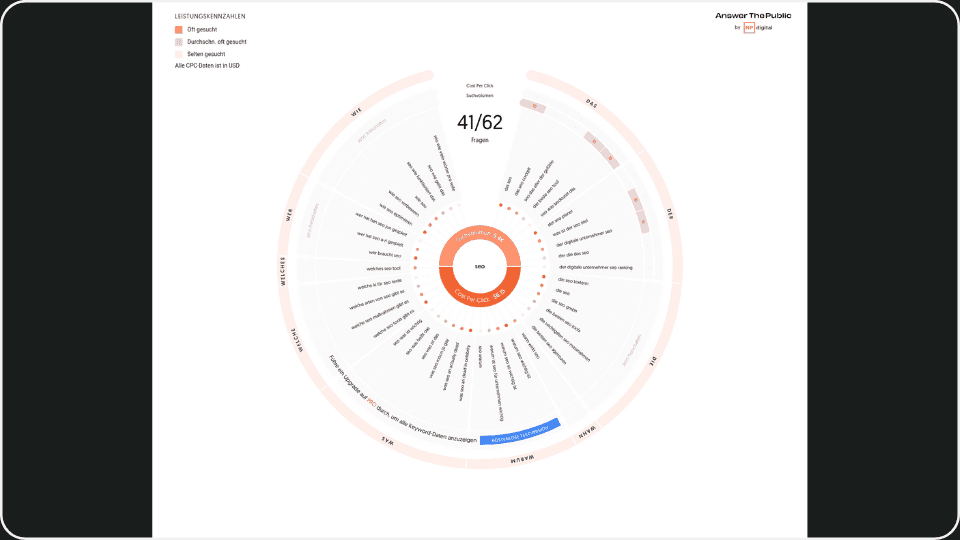
A topical map shows how all the topics and their respective subtopics relate to one another.
Dabei bildest du Keyword-Cluster mit semantisch identischen oder verwandten Begriffen und kreierst neue Entitäten für Themen mit einer anderen Suchintention.
Where appropriate, topics are organized into content silos that are cleverly linked to one another.
The goal is to end up with a comprehensive overview of all the topics and how they are connected.
Components of off-page analysis
The following components are included in our off-page SEO analysis.
Link Gap Analysis
In a link gap analysis, you quantify the difference in the number of links pointing to your domain compared to those of your competitors.
A link gap analysis can be performed at the domain or page level.
It is important to consider not only the sheer number of links, but also their quality.
I typically perform link gap analyses using Ahrefs software.
Analysis of Link Speed
Wenn du gegenüber der Konkurrenz beim Linkbuilding aufholen willst, dann reicht es nicht, nur den Link-Gap zu quantifizieren.
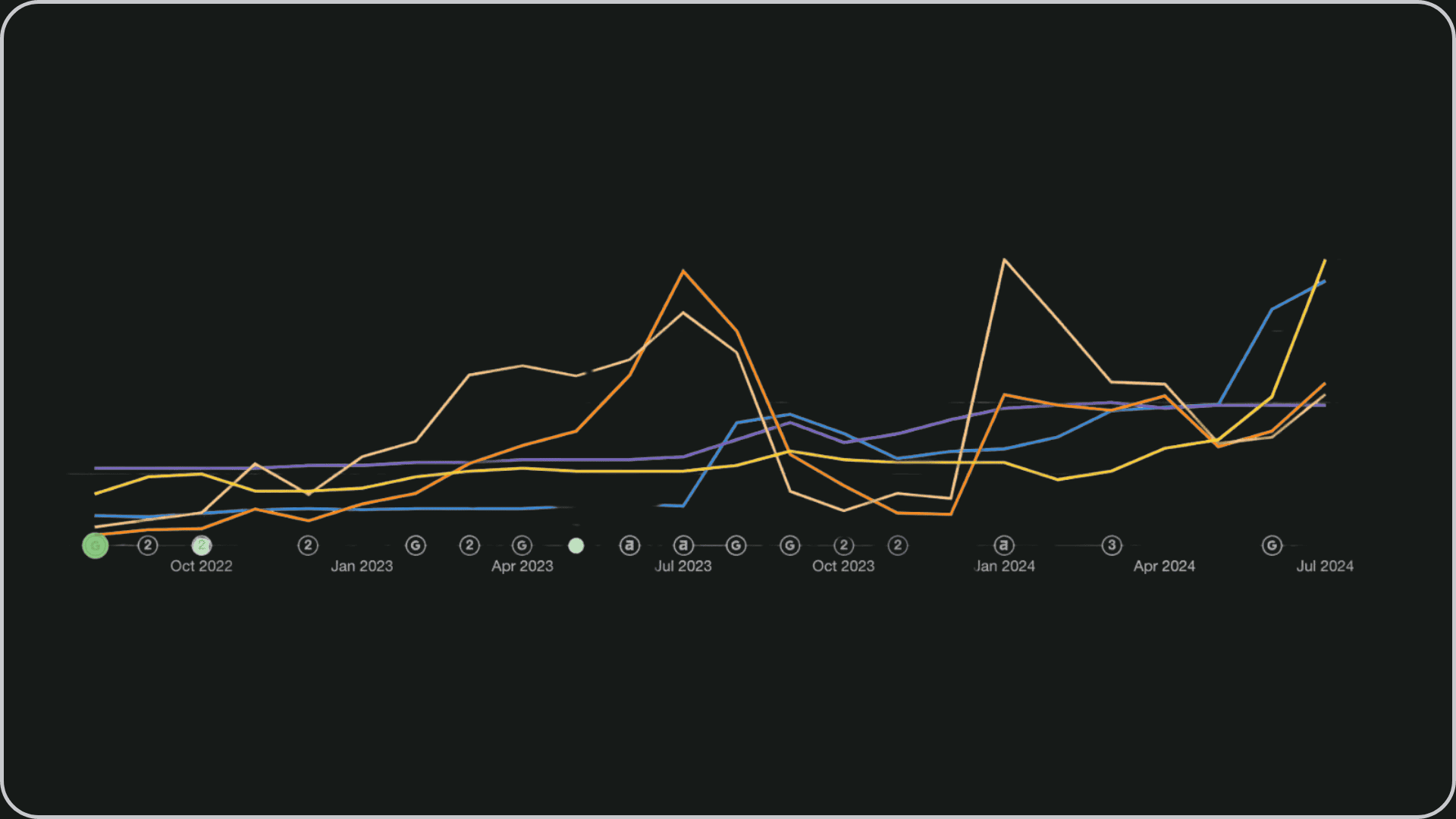
You also need to factor in how quickly your competitors are building up their backlinks over time.
You need to factor the link-building time into the link gap, since it takes time for you to build those links yourself.
Here’s an example to illustrate this: The link gap between you and your main competitor is 350 links. You can see that your competitor has built 100 links over the past 6 months.
That means if you want to close the gap in 6 months, you'll need 450 links (350 + 100).
Anchor Text Analysis
Anchor text is the text that appears in an internal or external link.
Ankertexte sollten nicht zufällig, sondern auf Basis einer Ankertextanalyse definiert werden.
Diese Form der Analyse identifiziert anhand der Top-3-Konkurrenten den Anteil verschiedener Ankertextarten.
We generally distinguish between five types of anchor text:
- Branded Anker: beinhalten den Markennamen im Ankertext
- Target Anker: beinhalten das Fokus-Keyword der Zielseite
- Thematische Anker: beinhalten ein Überthema der Zielseite.
- URL-Anker: beinhaltet die URL der Zielseite im Ankertext.
- Sonstige Anker: leere Ankertexte
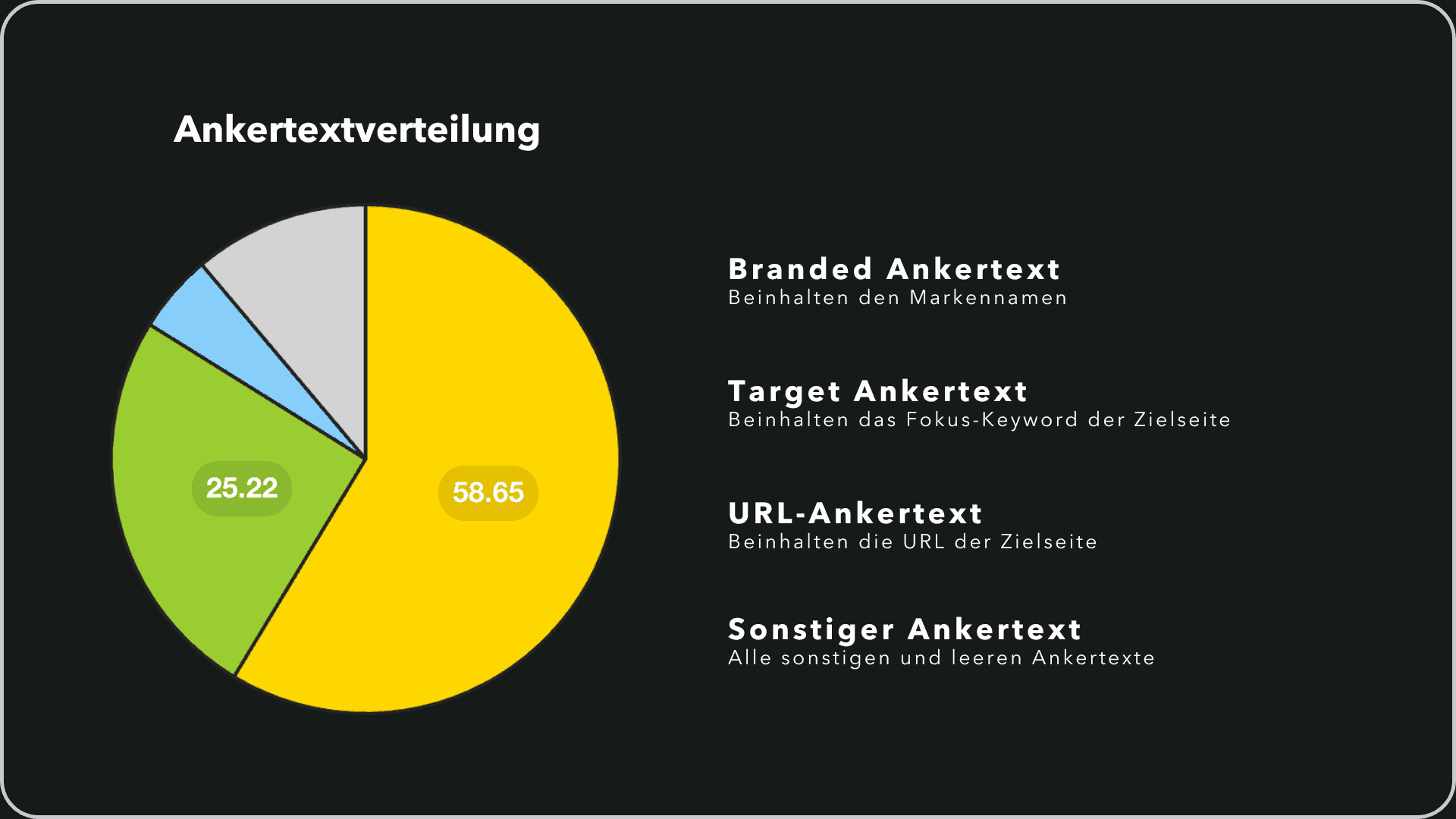
Anchor text analysis must be performed individually for each page, because Google evaluates anchor text at the page level.
Why is an SEO analysis important?
Without analysis, no SEO strategy can be developed, and a lack of strategy leads to haphazard implementation.
Ein SEO Analyse nimmt den IST-Zustand der Website im technischen, On- und Off-Page Bereich auf und bildet die Basis zur Ableitung von geeigneten SEO-Massnahmen.
An SEO analysis thus provides a data-driven foundation for developing an SEO strategy.
SEO analysis is of fundamental importance because, for long-term SEO success, it is crucial to make decisions not based on personal judgment or gut feelings, but rather rationally, based on solid data.
Eine SEO Analyse ist aber keine einmalige Sache. So quasi nach dem Motto: Wenn man die Analyse durchgeführt hat, dann ist es erledigt. Nein, eine SEO Analyse sollte zwingend in regelmässigen Abständen, d. h. alle 6–12 Monate, durchgeführt werden.
Why? SEO is dynamic, and user search behavior, the algorithm, and the competitive landscape are constantly changing.
Different Types of SEO Analysis
There are two approachesto SEO analysis : automated and custom analyses.
In der Praxis bestehen SEO-Analysen oftmals aus einer Mischung von automatisierten Prozessen und manuellem, menschlichem Input.
Agenturen, die heute gänzlich auf smarte KI-Tools im SEO-Bereich verzichten, machen sich das Leben nicht nur selbst schwer, sondern sind auch enorm ineffizient unterwegs.
Agenturen, die bei der SEO Analyse alles an die KI delegieren, werden für ihre Kunden auch keine ausreichenden Ergebnisse erzielen.
Auch heute sind menschliches Denkvermögen und SEO-Expertise immer noch entscheidend, um eine gute SEO Analyse durchzuführen.
AI doesn't know your company's specific circumstances, goals, and target audience any better than you do. On the contrary, AI often makes generalizations, which isn't helpful when it comes to an SEO analysis.
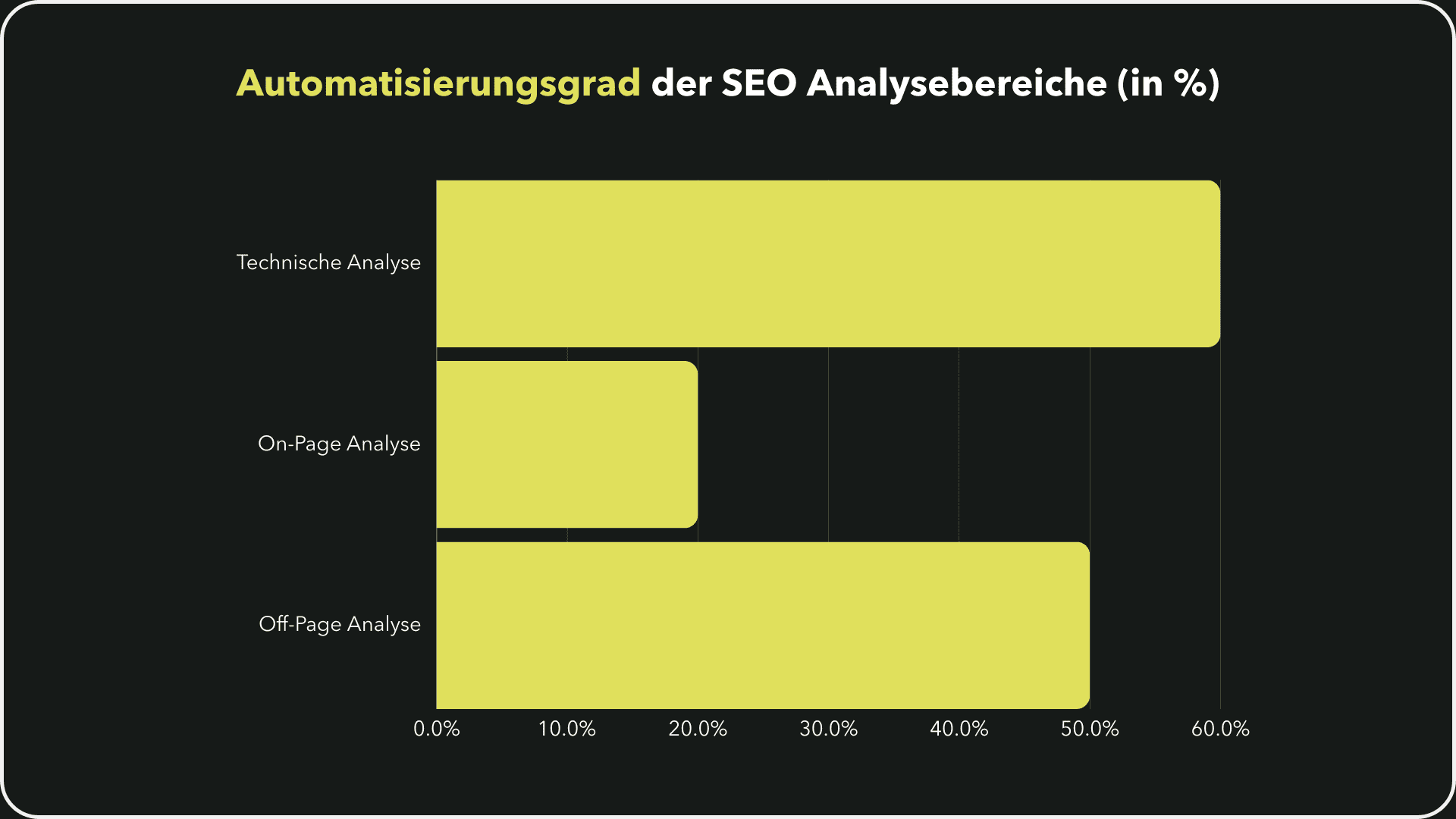
Im Folgenden ist der Anteil des Automatisierungsgrads einer SEO Analyse aufgeteilt auf die 3 Hauptbereiche technische Analyse, On-Page Analyse und Off-Page Analyse.
Im Folgenden werden diese 3 Hauptbereiche der SEO Analyse näher erklärt.
Automation Options – Technical Analysis
Technical analysis relies heavily on tools like Ahrefs and Screaming Frog, which handle a large portion of the work.
Aus meiner eigenen Erfahrung kann ich sagen, dass bei der technischen Analyse 60 %–70 % der Arbeit von SEO-Tools übernommen werden.
Besonders involviert sind Tools wie Ahrefs oder ScreamingFrog. Diese Tools identifizieren technische Probleme von allein und nehmen eine erste Priorisierung der vorhandenen technischen Fehler vor.
Die restlichen 30–40 % der Arbeit bestehen dann aus menschlichem Input.
Dies beinhaltet mehrheitlich eine saubere Priorisierung aller technischen Fehler der SEO-Tools, die teilweise unvollständig oder falsch ist. Was von den Tools ebenfalls nicht übernommen wird, ist die Filterung nach dem Crawling.
So müssen gewisse SEO-Probleme über individuelle Filter identifiziert werden, die manuell konfiguriert werden müssen.
Automation Options – On-Page Analysis
Die On-Page Analyse erfordert wesentlich mehr menschlichen Input als die technische Analyse.
Aus meiner eigenen Erfahrung von über 50 durchgeführten SEO Analysen schätze ich, dass 70–80 % der Arbeiten manuell durchgeführt werden.
Why is the percentage so much higher than in technical analysis?
Nun, bei On-Page SEO geht es darum, die bestehenden Seiten qualitativ zu bewerten, hinsichtlich ihres Keyword-Optimierungsgrads, Conversion Rate-Optimierungsgrads.
Ebenso wird analysiert, inwiefern die aktuelle Sitemap für die Zielgruppe relevant ist und relevante Inhalte überhaupt vorhanden sind.
Diese Aspekte können nur schwer an eine KI delegiert werden. Vielmeht gilt es hier auf Basis des eigenen Wissens kluge Entscheidungen betreffend fokussierter Keywords im Hinblick auf die Customer Journey und Bedürfnisse der Zielgruppe zu treffen.
Dennoch können auch im On-Page Bereich Arbeiten an die KI und SEO-Tools delegiert werden.
So können beispielsweise für die Ermittlung des SEO-Optimierungsgrads bestehender Texte Tools wie SurferSEO benutzt werden.
Ebenso helfen Tools wie die Visual Attention Software von 3M VAS dabei, quantitativ zu bestimmen, ob der visuelle Fokus des menschlichen Auges auf den richtigen Bereichen der Website liegt. Das ist besonders relevant für die Conversion Rate Optimierung.
Automation Options – Off-Page Analysis
When it comes to off-page analysis , an estimated 50% of the work can be delegated to SEO tools. Tools like Ahrefs allow you to retrieve the backlink profile of any website in a matter of seconds.
Jedoch benötigt es das Wissen und die Kompetenz eines SEO-Experten, um einzuschätzen, welche Konkurrenten man untersuchen möchte und auf welche Metriken man im Off-Page Bereich achten sollte.
Die Tools liefern hier nur deskriptive Daten, aber wenig Anhaltspunkte, wie diese zu interpretieren sind. Diese Arbeit muss manuell erledigt werden.
How much does an SEO analysis cost in Switzerland?
The cost of an SEO analysis depends heavily on the size and complexity of your website.
In einer Marktstudie, die wir im Jahr 2024 durchgeführt haben, konnten wir anhand von 19 Schweizer SEO Agenturen eine Preisspanne für SEO Analysen zwischen 790 CHF und 4’990 CHF identifizieren. Dabei wurden nur Agenturen in der Schweiz berücksichtigt.
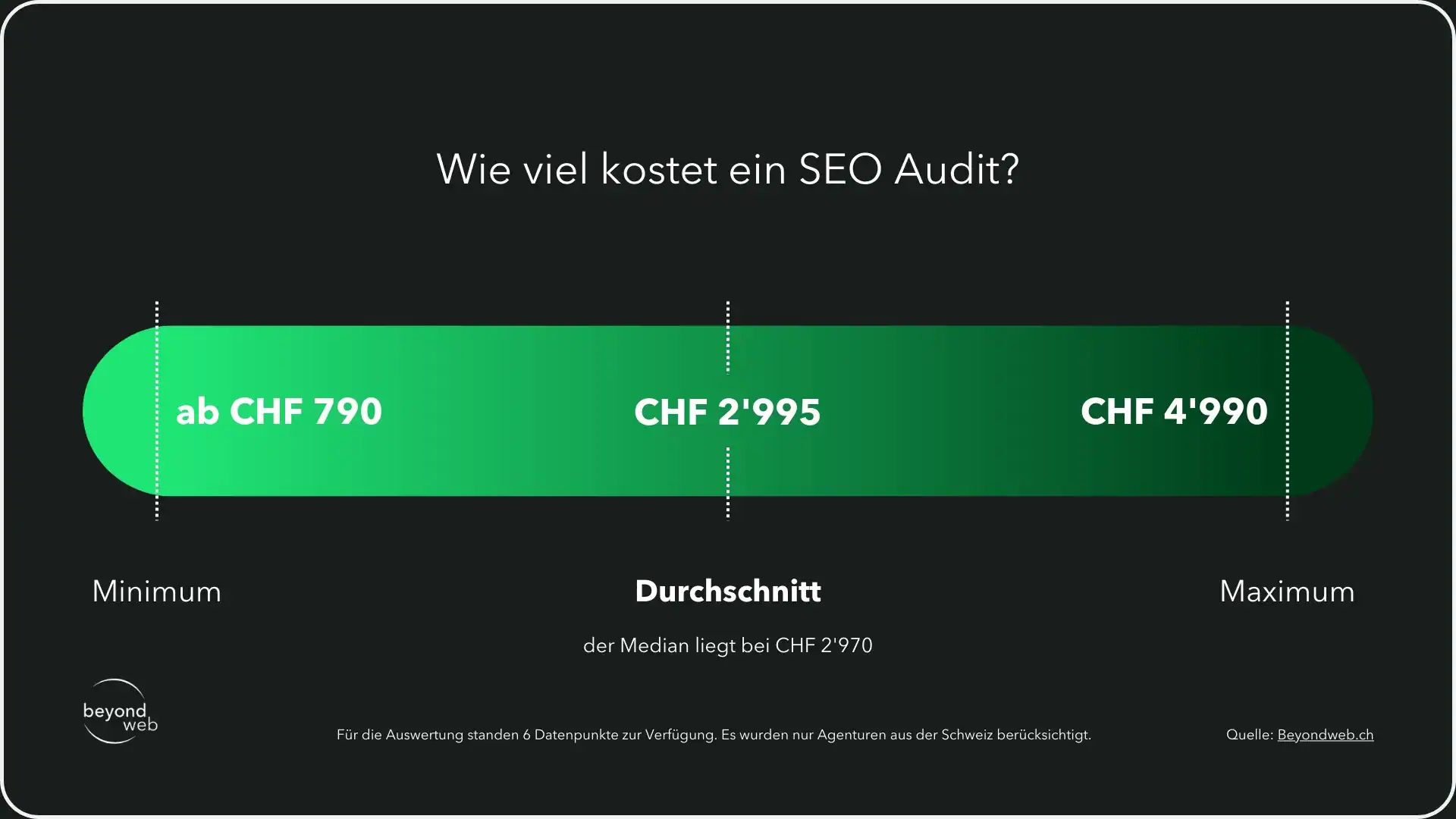
Die grossen Unterschiede sind dabei auch auf unterschiedliche Herangehensweisen (automatisiert vs. manuelle Methoden) sowie unterschiedliche Leistungskataloge der Agenturen zurückführbar.
Es ist offensichtlich, dass eine einfache Unternehmenswebsite mit zehn Seiten wesentlich weniger Arbeit gibt als ein komplexer E-Commerce Store mit 10 000 Produkten und diversen Schnittstellen.
Mit halb automatisierten SEO-Tools wie Ahrefs oder ScreamingFrog kann gerade die technische Analyse relativ schnell und kostengünstig durchgeführt werden.
Wenn es jedoch um den On- und Off-Page Bereich geht, gibt es keine standardmässigen Automatisierungen und es steckt viel manuelle Recherche dahinter, wie oben bereits erläutert wurde.
Bei unserer Agentur beginnen SEO Analysen ab 2’500 CHF. Die Preise werden individuell anhand der jeweiligen Ziele, Grösse und der Komplexität der Website definiert.
Recommended SEO Tools
Als SEO Agentur greifen wir ebenfalls auf zahlreiche Tools für die Analyse der Websites unserer Kunden zurück.
Without these tools, some of these analyses would not be possible at all and would be much more time-consuming.
Depending on the focus of the analysis, different tools are used.
Im folgenden Abschnitt zeige ich dir eine Auswahl der wichtigsten Tools im Analyseprozess, die ich regelmässig verwende und auch dir ans Herz legen möchte.
Google Search Console
Google Search Console (GSC) is a free SEO tool from Google that provides important data on a website's performance in search results.
GSC allows you to monitor the visibility and indexing of your site, identify technical errors, and analyze the search queries that drive traffic to your website.
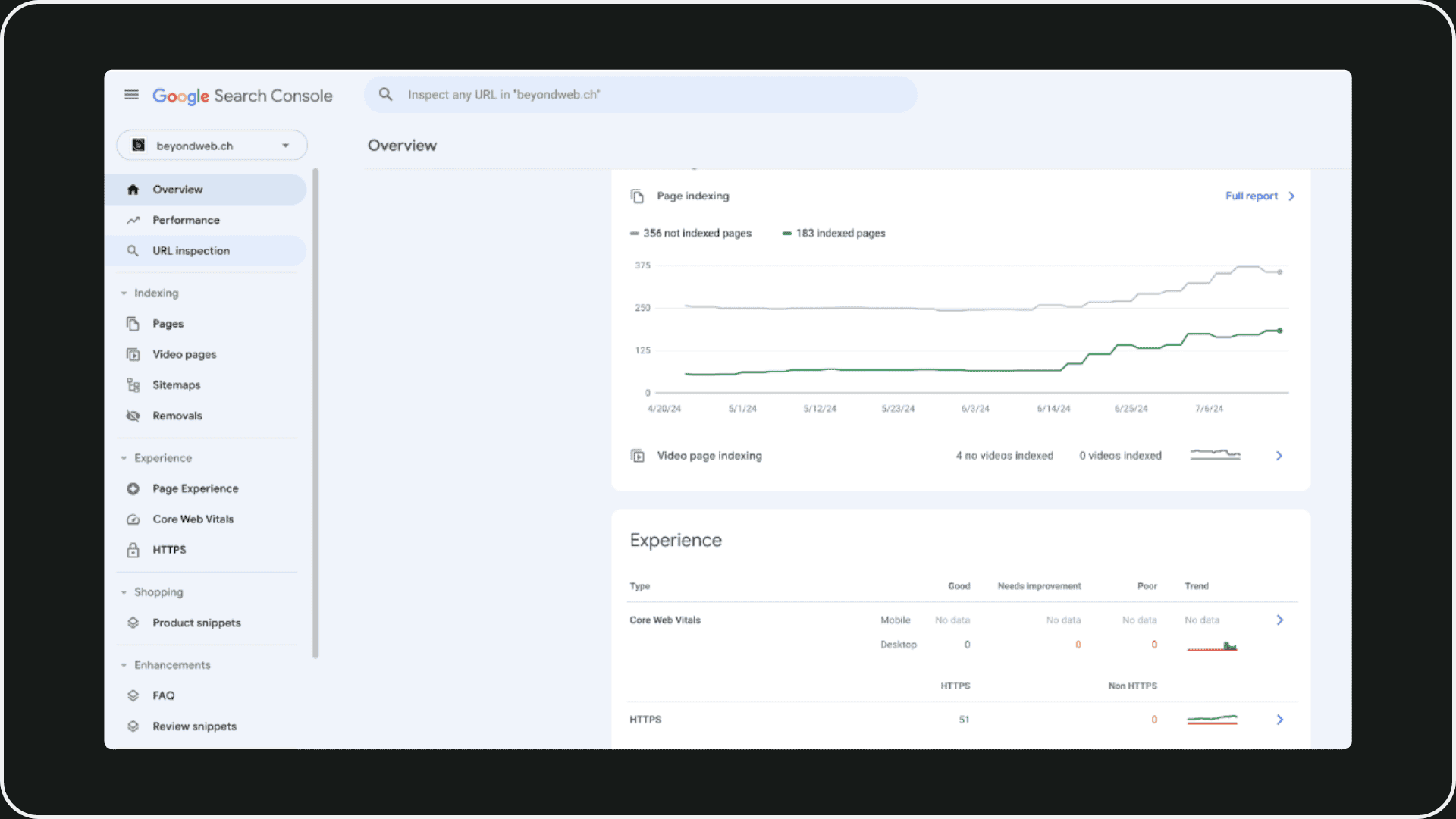
In addition, Google Search Console provides detailed reports on click-through rate (CTR), impressions, and the website’s average ranking for various keywords.
This helps to adjust the SEO strategy and improve the SEO score.
Google Analytics (or alternatives such as Matomo)
Google Analytics (GA) should be viewed as a complement to Google Search Console.
GA can provide you with valuable data on user behavior, traffic sources, bounce rates, time on site, and other metrics.
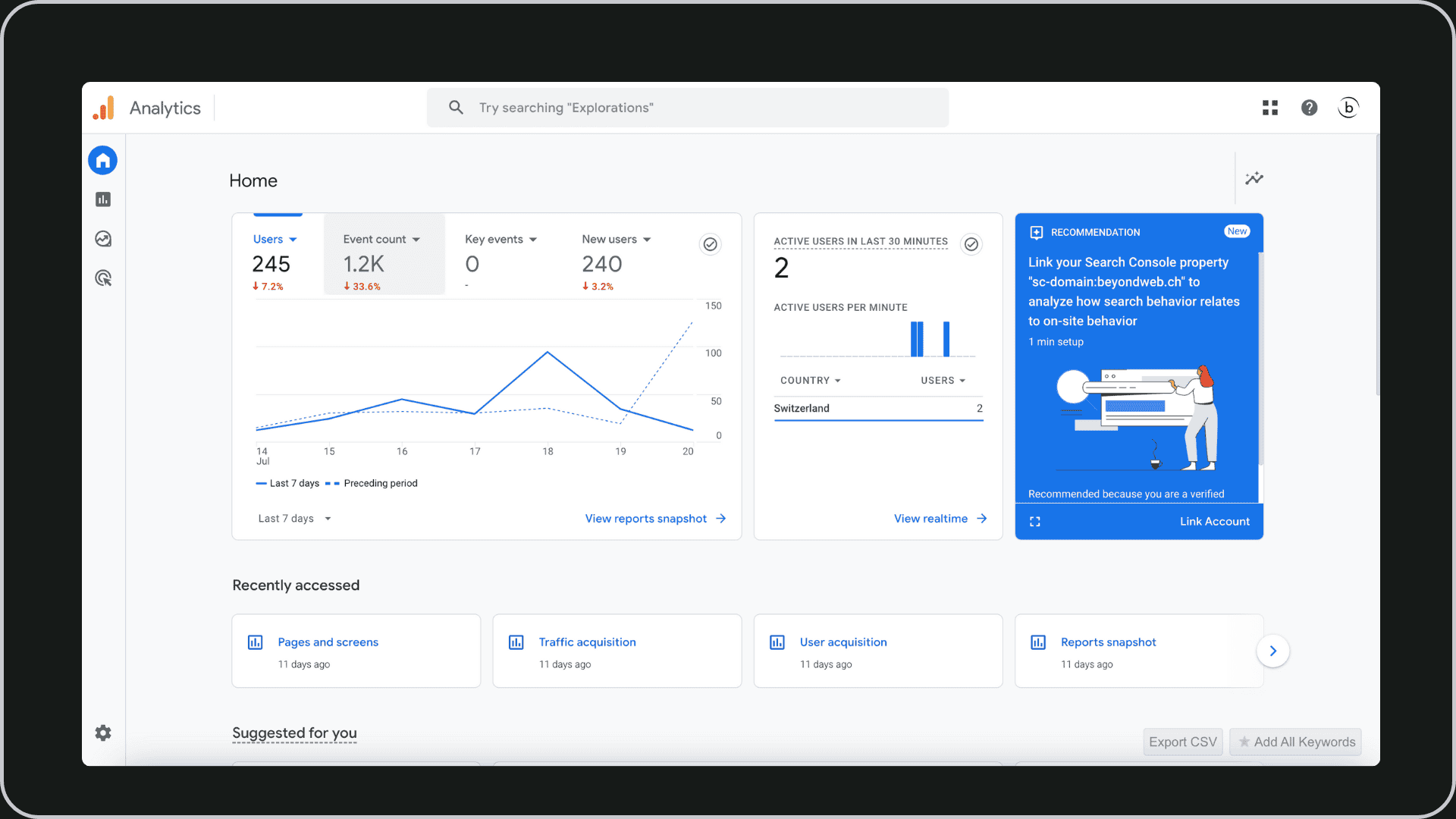
GA kann dir helfen, besser zu verstehen, wo deine Website und SEO funktionieren und wo nicht.
Auf welchen Seiten springen deine User überdurchschnittlich oft ab?
Welche Formulare oder Buttons erzielen Klicks und welche nicht?
If you don't want to use GA, Matomo offers a GDPR-compliant and privacy-friendly alternative with the same features.
SEO suites (SEMrush, Ahrefs, Sistrix)
SEO suites such as SEMrush, Ahrefs, and Sistrix offer extensive features and analytical capabilities in the areas of technical SEO, on-page SEO, and off-page SEO. These can be of great value during an SEO analysis.
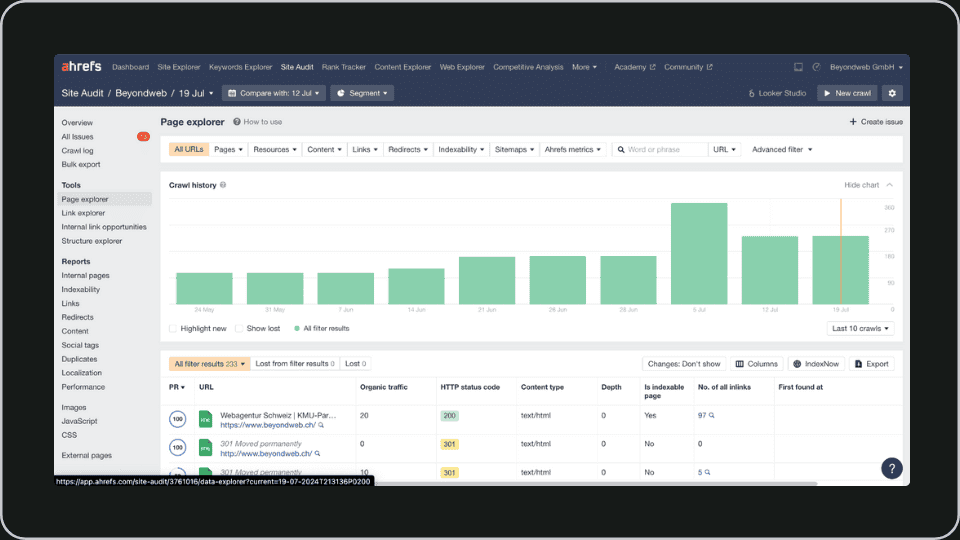
Diese All-in-One-Tools unterstützen dich u. a. bei der Keyword-Recherche, Backlink Analyse, und der Überprüfung der technischen SEO.
Zudem kannst du mit diesen Tools deine Keyword-Rankings überwachen, Wettbewerber analysieren und detaillierte Statusberichte erstellen.
Wir bei Beyondweb verwenden SEMrush für Keyword-Recherche und ebenfalls SurferSEO für On-Page Konkurrenzanalyse.
Mit Ahrefs verwenden wir primär Off-Page Analysen, da die Software, die weltweit grösste Backlink-Datenbank hat.
Im deutschsprachigen Raum ist Sistrix beliebt, das vor allem bekannt für seine Sichtbarkeitsindizes ist, wo für die Analyse ebenfalls Vergleiche zwischen der eigenen Website und der Konkurrenz durchgeführt werden können.
Crawler (Screaming Frog)
A web crawler like Screaming Frog is essential for the technical analysis of your website.
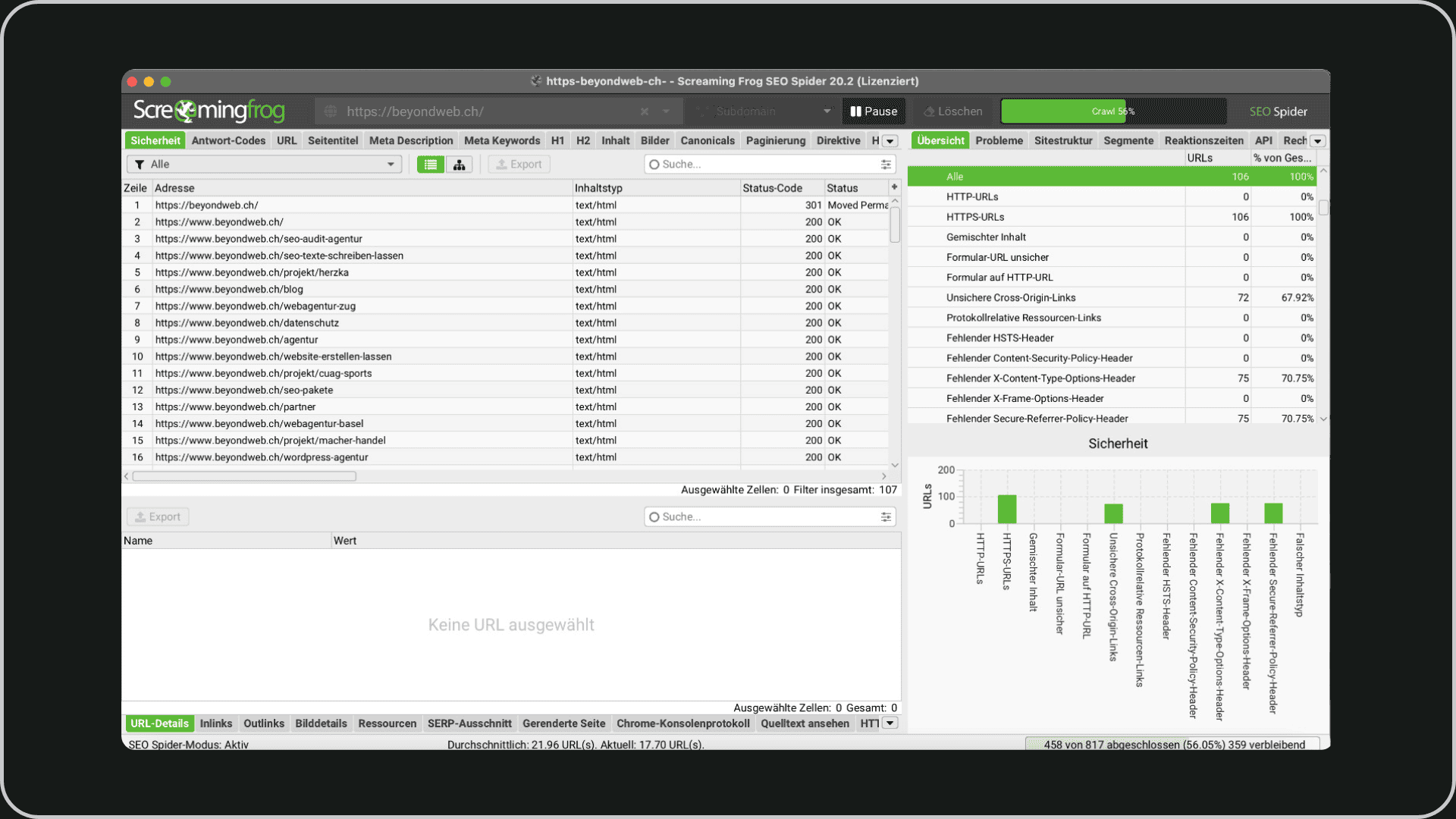
ScreamingFrog's crawler scans every single URL on your website and automatically identifies and prioritizes potential issues.
Zudem hast du die Möglichkeit, durch zahlreiche Filteroptionen deine Website bis ins letzte Detail zu durchleuchten.
With ScreamingFrog, you can identify technical issues such as slow loading times, duplicate content, missing alt text, meta descriptions, orphan pages, meta titles, and more.
SEO Analysis Process
As mentioned above, an SEO analysis involves several steps.
Below, I will explain the chronological sequence of the analysis.
Step #1 – Technical Analysis
A technical audit is typically the first step in an SEO analysis.
Focus of technical analysis
- Crawling the website to identify technical errors and appropriate corrective actions
- PageSpeed test of the mobile and desktop versions and identification of appropriate measures
SEO Analysis Tools Used
- Screaming Frog
- Ahrefs Site Audit
- Google Search Console
Step #2 – On-Page Analysis
The technical section is followed by the on-page SEO check.
Focus of the on-page analysis
- SEO Keyword Analysis
- Keyword Ranking Analysis
- Keyword Gap Analysis
- Content Audit
- Topical Map & Keyword Clustering
SEO Analysis Tools Used
- SurferSEO
- ScreamingFrog
- SEMrush
- Ahrefs
- Google Search Console
Step #3 – Off-Page Analysis
The final part of an SEO analysis is usually the off-page section.
Focus of Off-Page Analysis
- Link Gap Analysis
- Analysis of Link Speed
- Anchor Text Analysis
SEO Analysis Tools Used
- Ahrefs
More tips for SEO analysis
Here are some tips that can help you optimize your SEO efforts and achieve better results.
Conduct regular SEO checks
It’s important to perform regular SEO checks to continuously monitor your website’s health and identify technical SEO issues early on. Use SEO analysis tools like Google Search Console to identify and resolve problems. A comprehensive SEO audit can also help you review technical SEO factors anduncover opportunities for optimization
Optimize keywords strategically
Eine gründliche Keyword-Recherche ist der Grundstein für eine erfolgreiche Suchmaschinenoptimierung. Nutze Tools wie SEMrush oder Ahrefs, um relevante Keywords zu finden und deren Rankings zu überwachen. Fokussiere dich auf die On-Page Optimierung deiner Inhalte, indem du Keywords in die H1-Titel, H2-Titel, Paragrafen, Meta-Titel, Metabeschreibung und Alt-Texte integrierst. Ich empfehle, ein Excel- oder Google Sheets mit einer To-do-Liste zu erstellen und diese systematisch abzuarbeiten.
Review and update content regularly
Ein Content Audit hilft dir, die Qualität und Relevanz der bestehenden Inhalte zu bewerten. Ein Content Audit sollte alle 6–12 Monate durchgeführt werden. Aktualisiere oder lösche bei Bedarf veraltete Artikel, verbessere die Content-Optimierung bestehender Artikel und stelle sicher, dass alle Inhalte auf dem neuesten Stand sind. Regelmässige Content Updates tragen zur Verbesserung des SEO Scores bei.
Regular backlink audits
Backlinks are an important ranking factor. Conduct regular backlink audits to assess the quality and quantity of inbound links to your domain and those of your competitors. Tools like Ahrefs can help you identify valuable links and remove harmful ones.
Regular technical audits
Technische SEO Faktoren wie Ladezeiten, mobile Optimierung und die Seitenstruktur. Das sind aus meiner Sicht Hygienefaktoren, die einfach erfüllt sein sollten. Wenn du laufend an deiner Seite arbeitest und neue Inhalte publizierst, ist es wichtig, auch die technischen Aspekte nicht aus den Augen zu verlieren. Führe dazu alle 6–12 Monate einen tiefgreifenden technischen Audit mit einer SEO Suite wie Screaming Frog, Sistrix oder Ahrefs durch, um technische Probleme zu identifizieren und zu beheben. Eine gut strukturierte und technisch einwandfreie Webseite verbessert die Nutzererfahrung und ist die Grundvoraussetzung für bessere Rankings.
Create user-centered content
Nach der Analyse folgt die Umsetzung. Wenn du innerhalb deiner SEO Analyse neue Keywords identifiziert hast, stelle sicher, dass deine Inhalte den Anforderungen und Bedürfnissen deiner Zielgruppe entsprechen. Frage dich bei jedem Keyword, mit welcher Suchintention dein User das Keyword bei Google eingibt. Schaue zudem an, wie die Konkurrenz ihre Inhalte strukturiert, und probiere anhand deiner eigenen Expertise und Erfahrung, neue inhaltliche Perspektiven zu bieten.
I hope this behind-the-scenes look at SEO analysis was helpful and provided you with enough context to conduct a successful SEO analysis on your own. Use this information to develop your own SEO strategies.