Spätestens seit dem Launch des Google-AI-Modus stellen sich Marketer, SEOs und Unternehmen die gleiche Frage: Wie geht es weiter mit SEO?
Natürlich werden dadurch auch die alten Totengesänge auf SEO wieder laut.
Einige rufen nach neuen Kürzeln wie LLMO (Large Language Model Optimization) oder GEO (Generative Engine Optimization). Andere behaupten wiederum, alles bleibe beim Alten.
Gerade die letzte These stelle ich infrage.
KI-basierte Suchsysteme verändern das Nutzerverhalten so grundlegend, dass SEO sich aus meiner Sicht zwangsläufig weiterentwickeln muss.
Bewährte Strategien und Messmethoden müssen hinterfragt und neue Methoden entwickelt werden.
Aktuell befinden wir uns diesbezüglich alle noch in der Experimentierphase.
Über Jahrzehnte hinweg haben SEOs auf der ganzen Welt durch Single-Variable-Testing die Ranking-Faktoren des Google-Algorithmus dechiffriert.
Es wird also noch eine Zeit benötigen, bis wir das gleiche Wissensniveau bei LLMs erreichen, wie bei der klassischen Google-Suche.
Und dennoch zeigen erste Studien bereits Tendenzen, in welche Richtung es in Zukunft gehen könnte.
Und diese möchte ich in diesem Artikel zusammenfassen, wie sich SEO von LLMO unterscheidet und wo es Überschneidungen gibt.
Ich hoffe damit, im aktuellen SEO-Wirrwarr zumindest etwas Klarheit zu schaffen.
Das Wichtigste in Kürze
Google AI Mode ist ein neuer Suchmodus (in den USA bereits gelaunched), der laut Google die Zukunft der Suche sein wird – eine Mischung aus ChatGPT und Suchmaschine.
Suchverhalten ändert sich: Der AI-Mode bedeutet weniger Klicks, komplexere Suchanfragen, mehr Zero-Click-Suchen – du musst deine SEO-Strategie anpassen.
SEO ist nicht tot: SEO-Massnahmen bleiben wichtig, aber neue Faktoren gewinnen bei Large Language Models (LLMs) an Relevanz.
Neue KPIs für LLMs: Misst du schon deinen Prompt-Share und LLM-Visibility? Mit der KI-Suche wird es Zeit für neue KPIs.
5-Schritte-Plan: Von Audit bis Testing-Loop – so machst du dein Unternehmen fit für die anstehenden Veränderungen.
Was ist der Google AI Mode?
Google AI Mode ist ein neuer experimenteller Modus in der Google-Suche, der im Frühjahr 2025 lanciert wurde (Google, 2025).
Statt nur eine Liste von blauen Links liefert der AI Mode KI-generierte Antworten und geht dabei aber noch einen Schritt weiter als bisherige KI-Suchen wie ChatGPT.
Denn innerhalb der KI-Antwortseiten können auch Rich Results erscheinen wie Bilder, Google Maps Karten, Videos etc., was die ganze Nutzererfahrung noch wesentlich interaktiver und vielseitiger macht, als in bisherigen KI-Chatbots, die vorwiegend im reinen Textformat antworten.
Im Gegensatz zur klassischen Google-Suche ist der AI Mode dialogorientiert und setzt stark auf Personalisierung.
Die vergangene Suchhistorie soll bei jeder Suchanfrage kontextuell in die Antwort einfliessen, wodurch sich Resultate von User zu User je nach Präferenzen und Interessen für den gleichen Input stark unterscheiden können.
Zudem kann der AI Mode verschiedenste Eingabearten verarbeiten – er ist also multimodal.
Du kannst Fragen per Sprachnotiz eingeben, als Text eintippen, aber auch Bilder hochladen.
Zuständig für die Antworten ist Googles neueste KI (Gemini 2.0), womit auch komplexe Fragen kontextualisiert und beantwortet werden können (Google, 2025).
Hier kannst du einen ersten Blick darauf werfen, wie der Google AI Mode in Aktion aussieht.
https://www.youtube.com/watch?v=qbqZQFOVfA8
Warum LLMs die Zukunft der Suche sind?
Nun, wenn wir ehrlich sind, kommt das Ganze nicht wirklich überraschend.
Den meisten von uns war wahrscheinlich schon länger bewusst, dass die Zukunft der Suche anders aussehen wird als eine Liste mit blauen Links.
Durch die Einführung von Large Language Models (LLMs) bietet sich ein wesentlich schnellerer, personalisierter Weg, Informationen zusammenzustellen und auf die spezifische Suchanfrage zu mappen.
Zu Beginn hatten LLMs noch die Limitierung, dass sie nicht auf Live-Daten zugreifen konnten.
Mittlerweile können ChatGPT, Perplexity & Co. aber auch auf Live-Daten zurückgreifen und so noch bessere Antworten liefern.
Google war aufgrund des Wettbewerbsdrucks von neuen Playern wie ChatGPT zu einem Technologiewechsel ihres wichtigen Produkts gezwungen.
Denn generative Suchen bieten dem User in vielerlei Hinsicht eine bessere Nutzererfahrung.
Und wenn Google seinen hohen Marktanteil halten will, muss es mit der Zeit gehen.
56% der 350-Milliarden Umsatz von Google stammten 2024 aus Werbeanzeigen in der Google-Suche.
Verliert Google Marktanteile, hätte das grosse finanzielle Verluste zur Folge.
SEO 2.0 – Was bleibt und was ändert sich?
Nun stellt sich für Marketer, SEO-Agenturen, aber auch für Unternehmen die Frage: Wie gehen wir mit diesem Wandel in der Suche um?
Welche Strategien bewähren sich auch im KI-Zeitalter und was ist Schnee von gestern?
Das Resultat: Wer bei Google auf Platz 1 rankt, hat eine 25%-Chance, von KI-Suchen zitiert zu werden.
Das bedeutet, viele bewährte SEO-Basics sind auch im KI-Zeitalter eine Grundvoraussetzung.
Deine Website muss technisch sauber sein (saubere Code-Struktur, schnelle Ladezeiten, mobile Optimierung).
Hochwertiger Content mit echtem Mehrwert bleibt das A und O – vielleicht sogar noch mehr als früher, denn die KI bevorzugt vertrauenswürdige, relevante Inhalte.
Backlinks und Autorität deiner Domain sind weiterhin wichtig, auch für LLMs.
Was verändert sich mit der KI-Suche?
Viele bezeichnen SEO im Zeitalter von KI-Suchen neu als GEO – Generative Experience Optimization.
Es gilt dabei, Inhalte so zu gestalten, dass sie für die KI attraktiv sind.
GEO verfolgt zwei Ziele: möglichst häufig zitiert zu werden und deine Marke, dein Produkt oder deine Dienstleistung direkt in der KI-Antwort sichtbar zu machen.
Ato Herzig, Co-Founder Beyondweb GmbH
Wenn beispielsweise nach «der besten Newsletter-Software» sucht, dann ist es vorteilhaft, wenn dein Brand/Produkt in der Antwort erscheint (im besten Fall sogar noch verlinkt wird).
Das muss zwar nicht zwangsläufig zu einem Klick führen, aber es erhöht deine Chancen, dass der/die User/in dein Angebot für einen Kauf in Betracht zieht.
Hier sind die grössten Veränderungen von GEO zu traditionellem SEO im Überblick:
Citation-Friendly Content
Ein neuer Trend, der sich abzeichnet, ist das “Optimieren für Zitierungen”.
In LLMs und AI Overviews zählt es enorm, zitiert zu werden.
Verlinkungen führen zwar nicht zwangsläufig zu einem Klick, aber sie erhöhen deine Chancen, dass der User dein Produkt/Dienstleistung für einen Kauf in Betracht zieht.
Ende der «Corporate Wikipedias»
Die Tatsache, dass der AI Mode und ChatGPT generische informelle Suchanfragen längst schneller und personalisierter beantworten können, als jeder Blogartikel heisst: Das Zeitalter von generischen Lexikonartikeln ist vorbei.
Aber Achtung: Damit möchte ich nicht sagen, dass es nichts mehr bringt, qualitativ hochwertige Blogartikel zu schreiben.
Es gibt immer noch eine Nachfrage nach «Slow Food» – Menschen, die tatsächlich einen Artikel zu einem Thema lesen möchten.
Thought Leadership, Storytelling und Erfahrungsberichte von Menschen können weiterhin gefragt sein.
Auch für die Beeinflussung von KI-Antworten kann es weiterhin lohnenswert sein, qualitativ hochwertige Blogartikel zu publizieren.
Aber der Einfluss von informellem Content auf deinen organischen Traffic wird in Zukunft wesentlich geringer ausfallen.
Passage-Optimierung statt nur Page-Optimierung
Google AI Mode indexiert nicht nur ganze Seiten, sondern vermehrt Abschnitte (Passagen) daraus, wie der SEO-Experte John King festgestellt hat.
Das heisst, ein einzelner Absatz deines Artikels könnte in einer KI-Antwort landen, ohne dass deine ganze Seite gecrawlt wird.
Sorge dafür, dass deine Inhalte in logische, thematisch fokussierte Abschnitte gegliedert sind.
Jede Sektion (mit eigener Zwischenüberschrift) sollte eine konkrete Frage beantworten oder einen Aspekt klar abhandeln.
So erhöhst du die Chance, dass genau dieser Abschnitt von der KI als Teil der Antwort genutzt wird.
Semantik und Kontext
Keywords sind nach wie vor wichtig, aber KI achtet mehr je auf die Bedeutung und Zusammenhänge als auf exakte Wortübereinstimmung.
Semantic SEO wird zum Muss.
Das heisst, du musst in deinen Texten Synonyme, Ober-/Unterbegriffe und verwandte Themen vollumfänglich abdecken.
Die AI stellt semantische Verbindungen her – z.B. versteht sie, dass „Haustier“ mit „Hund“ oder „Katze“ zu tun hat. Inhalte, die Themen ganzheitlich abdecken, werden bevorzugt.
Auch sollte dein Content die Intention hinter der Query genau treffen (informational, navigational, transaktional etc.), denn wie auch traditionelle Suchmaschinen versucht die KI, die Absicht des Nutzers zu erfüllen, nicht nur Wörter abzugleichen.
Strukturierte Daten & Schema Markup
Schema.org & Co. waren bereits relevant, werden aber in Zukunft noch wichtiger.
Sie helfen der KI, Inhalte besser zu interpretieren (z.B. Rezepte, FAQs, Produktdaten).
Wenn Google bestimmte Fakten aus deiner Seite ziehen kann (Preise, Öffnungszeiten, Ratings), ohne die gesamte Seite crawlen zu müssen, steigen die Chancen, in einer AI-Antwort direkt erwähnt zu werden.
Multiformat-Optimierung
Inhalte in verschiedenen Formaten werden wichtiger.
Bilder sollten aussagekräftige Dateinamen und Alt-Texte haben, Videos benötigen gute Beschreibungen oder Transkripte – denn die KI liest auch diese.
Google AI Mode kann theoretisch einen Teil der Antwort aus einem Video-Transkript oder einem Podcast-Zitat generieren.
AI Search benötigt neue Messmethoden
Langjährig bewährte SEO-KPIs wie organische Klicks oder Keyword-Rankings verlieren an Bedeutung, wenn viele Suchanfragen ohne Klick enden oder Rankings immer kontextabhängig sind.
Wir stehen noch ganz am Anfang – geeignete Tools und Messmethoden entstehen erst noch.
Ein weiterer wichtiger Punkt: Google liefert aktuell kaum offizielle Daten, wann oder wie oft du in AI-Ergebnissen erscheinst – das erschwert das Monitoring.
Dennoch gibt es bereits erste Tendenzen, in welche Richtung es bei der Erfolgsmessung gehen wird.
Prompt-Share
Dieser Begriff wird als „Anteil an KI-Abfragen“ verstanden. Es geht darum zu messen, bei wie viel Prozent der relevanten AI-Search-Prompts deine Marke als Teil der Antwort genannt wird.
Während früher die Impressionen in der Google Search Console zeigten, wie oft deine Seite in den Top 10 war, geht es jetzt darum, wie oft du in KI-Antworten vorkommst.
Dein Prompt-Share kannst du bisher nur schätzen, z. B. indem du wichtige Keywords durchtestest: Erscheint deine Seite in den generierten Antworten?
Perspektivisch werden Tools diesen Wert messen.
Ein hoher Prompt-Share bedeutet, deine Inhalte sind für die KI unverzichtbar und werden oft zitiert.
LLM-Visibility
LLM steht für Large Language Model (also die KI hinter der Suche). LLM-Visibility misst, wie sichtbar deine Marke in einem spezifischen Sprachmodell ist.
Einfach gesagt: Wie gut „kennt“ das Modell deine Inhalte?
Das zeigt sich daran, ob es dich zitiert, erwähnt oder auf dich verlinkt.
Diese Visibility kannst du steigern, indem du Autorität aufbaust (gute Inhalte, Erwähnungen oder Verlinkungen von externen Domains, etc.), denn das KI-Modell wurde mit massenhaft Web-Daten trainiert – bekannte Marken/Seiten haben einen Vertrauensvorsprung.
LLM-Visibility ist in anderen Worten die neue Form von Domain Authority.
Quality Traffic & Engagement
Google selbst rät bereits, statt auf Klickzahlen mehr auf die Qualität der Besuche zu achten.
Wenn Nutzer über AI Mode oder auch ChatGPT auf deine Website gelangen, sind sie oft weiter im Funnel (weil sie bereits viele Infos vorab recherchiert haben, ohne auf die Website zu klicken).
Neue KPIs sind daher Dinge wie die Conversion-Rate von KI-Suchen (führen diese selteneren Besucher häufiger eine gewünschte Aktion aus?) oder Verweildauer (bleiben sie, um mehr Details zu lesen, weil die KI-Suche sie angefixt hat?).
Diese Metriken sind aktuell nur schwierig auswertbar, aber diese Engagement-Metriken könnten trotz weniger Traffic stabil bleiben oder sogar steigen.
Neue Tools nutzen
Die SEO-Community entwickelt bereits Tools, um AI Search besser zu verstehen.
AlsoAsked (bekannt für People Also Ask-Fragen) hilft weiterhin dabei, thematisch verwandte Fragen zu finden – genau die kannst du nutzen, um Content für Fan-Out-Queries bereitzustellen.
Ausserdem experimentieren SEOs mit Tools wie ZipTie oder WordLifts Query Simulator, um zu sehen, welche Fragen eine KI auslösen könnte.
Halte Ausschau nach Funktionen in gängigen SEO-Tools: Viele werden demnächst AI-Visibility Reports anbieten, die zeigen, für welche Prompts du auftauchst.
Kurz: Nutze alles, was dir einen Messvorteil gibt, und sei bereit, neue Tools abseits von Ahrefs, SEMrush & CO. auszuprobieren.
Indem du eigene Tests fährst (regelmässig selbst typische Suchanfragen bei ChatGPT eingibst), bekommst du ein gutes Gefühl dafür, wie gut du in KI-Suchen vertreten bist.
Es gibt auch immer mehr AI Visibility Tracking-Tools wie Peec.ai oder Profound. Die Tools sind aber noch in der Betaphase und noch nicht vollends ausgereift.
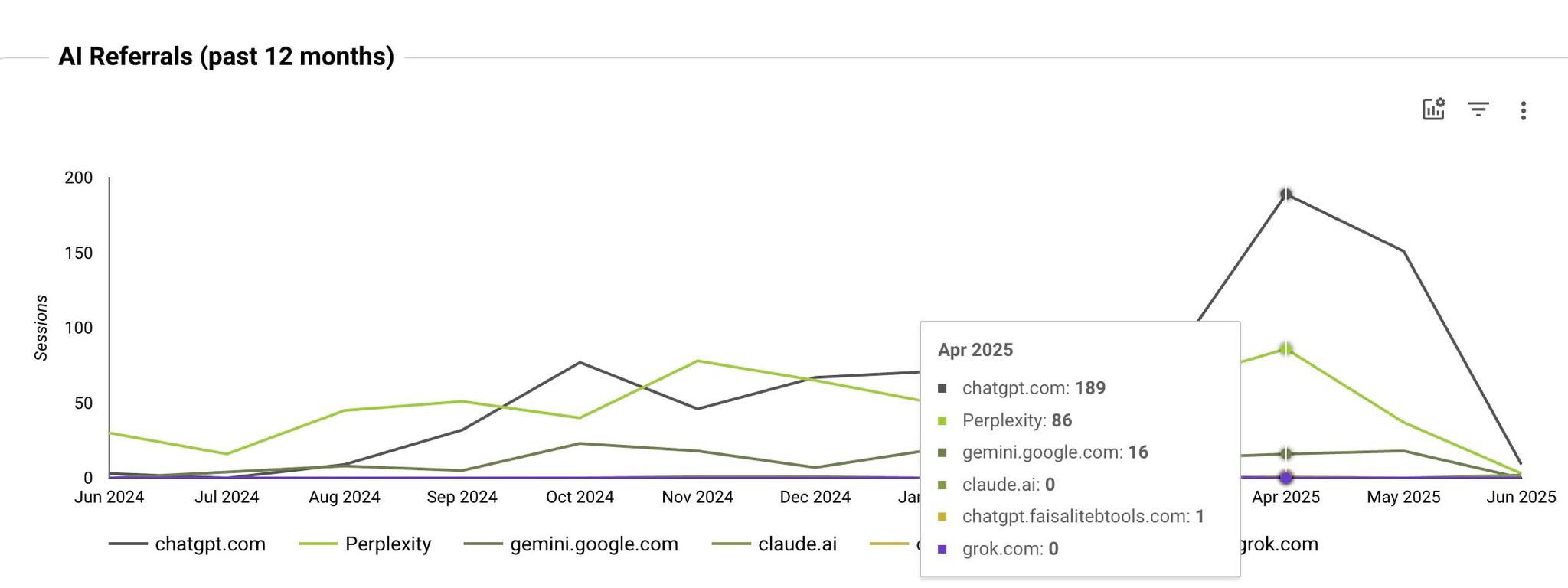
Wenn du Zugriff auf die Google Search Console hast, kannst du auch ein eigenes KI-Traffic-Dashboard im Looker Studio bauen.
Generell ist es aber wichtig zu verstehen, dass die organische Klickkurve tendenziell zurückgeht, aber dennoch Erfolg da sein kann mit SEO, etwa durch Erwähnung oder Verlinkungen in den KI-Antworten.
Es ist also bei Anbietern ein Umdenken nötig: Sichtbarkeit ohne Klick kann wertvoll sein.
Der “Share of Voice” verlagert sich in die KI-Ergebniswelt.
Es ist also bei Anbietern und ein Umdenken nötig: Sichtbarkeit ohne Klick kann wertvoll sein. Der “Share of Voice” verlagert sich in die KI-Ergebniswelt.
Ato Herzig, Beyondweb GmbH
5-Schritte-Plan für Unternehmen
Wie solltest du nun ganz konkret vorgehen, um dich auf AI Search vorzubereiten? Hier ist ein 5-Schritte-Plan, den du ab sofort umsetzen kannst:
Status-Quo Audit durchführen
Verschaffe dir zuerst einen Überblick.
Analysiere deine aktuellen Rankings und Inhalte: Für welche Top-Keywords rankst du derzeit gut – und erscheinen bei diesen Suchen schon AI-Overviews?
Prüfe in Search Labs (falls verfügbar) oder mit Screenshots/Berichten aus der Branche, ob deine Website in AI-Antworten zitiert wird.
Untersuche auch technische Basics: Ist deine Seite crawlbar, schnell, mobil optimiert?
Dieses SEO-Fundament muss stimmen, sonst hast du weder in klassischen noch in KI-Ergebnissen eine Chance.
Content-Strategie anpassen
Identifiziere die wichtigsten Fragen, die deine Zielgruppe stellt, und erweitere bzw. gestalte deinen Content entsprechend.
Führe eine Themen- und Fragenrecherche durch (z. B. mit AlsoAsked oder Google Fragen).
Erstelle Inhalte, die genau diese Fragen direkt beantworten – am besten in dedizierten Abschnitten oder via FAQ.
Achte auf klare Sprache (B1-Level 😉), damit die KI deine Aussagen problemlos interpretieren kann.
Plane auch verschiedene Formate ein: Texte mit hilfreichen Bildern, Infografiken, Videos oder Audio, wenn passend.
Stichwort Holistik: Sei der beste One-Stop-Inhalt zu einem Thema, sodass die KI gar nicht anders kann, als dich als Quelle zu nehmen.
On-Page- und technisches SEO 2.0 umsetzen
Überarbeite kritische Seiten nach den neuen Optimierungsprinzipien.
Setze strukturierte Daten ein, wo immer möglich (FAQPage, HowTo, Product, Article usw. je nach Inhalt).
Baue wichtige Fakten in gut auszeichnende HTML-Elemente ein – z.B. <ul>-Listen für Aufzählungen, <table> für Übersichten –, damit die KI die Infos leicht extrahieren kann.
Überprüfe deine Meta-Daten: Title und Description sollten den Inhalt prägnant zusammenfassen (sie könnten als KI-Tooltip dienen).
Halte die technische Performance hoch und eliminiere Fehler, die das Rendern behindern. Kurz: Mache es der KI einfach, deine Inhalte zu finden und zu verwerten.
Neue KPIs tracken und Team schulen
Richte ein Dashboard ein, das nicht nur klassische SEO-KPIs zeigt, sondern auch neue Indikatoren.
Beispiele: Anzahl der Featured Snippet/AI-Quellen-Erwähnungen (manuell gesammelt), Veränderungen in organischem Traffic im Kontext von AI-Rollouts, Conversion-Rates des Traffic.
Schulen dein Team auf die Bedeutung von Prompt-Share und LLM-Visibility – erkläre, warum vielleicht Traffic sinkt, aber Marken-Sichtbarkeit steigt.
Alle Beteiligten (Content, PR, Management) müssen verstehen, dass KI-Sichtbarkeit ein Erfolg ist, auch wenn er sich nicht sofort in Klicks misst.
Dieser Schritt ist wichtig, um interne Akzeptanz für die neuen Massnahmen zu schaffen.
Testing-Loop einführen
Geh in den kontinuierlichen Testmodus.
Die AI-Suche entwickelt sich laufend – was heute gilt, kann in 6 Monaten anders sein.
Etabliere einen Prozess, um regelmässig zu experimentieren: z.B. einmal im Monat einen Prompt-Test für eure Top-Themen durchführen (fragt die KI nach euren Produkten/Dienstleistungen – taucht ihr auf?).
Testet verschiedene Inhaltsformate und beobachtet, ob und wie sie von der KI aufgegriffen werden.
Führt A/B-Tests mit Content-Blöcken durch (z.B. mal eine konzisere Antwortbox einbauen) und schaut, ob sich das auf Rankings oder AI-Citations auswirkt.
Holt euch Feedback von euren Nutzern: Finden sie die KI-Antworten hilfreich, fehlen ihnen Infos?
All das fliesst zurück in die Content-Optimierung.
Learning by doing ist hier das Motto – wer agil testet, lernt am schnellsten, was funktioniert.
Egal, ob du dich genau an den oberen exemplarischen 5-Schritte-Plan hältst oder nicht.
Wichtig ist, jetzt damit zu starten!
Auch wenn AI-Mode heute erst einen kleinen Teil des Traffics ausmacht, befindest du dich in der Pole-Position, wenn du deine SEO-Strategie frühzeitig anpasst.
Sollte der Google-AI-Mode plötzlich früher in Europa lanciert werden als angenommen und zur neuen Standardsuche werden (was ich für wahrscheinlich halte), dann kannst du nicht früh genug damit anfangen.
Mein Fazit & Ausblick
Der Google-AI-Mode bringt Herausforderungen, aber auch Chancen mit sich. Vor allem für jene, die sich frühzeitig daran anpassen.
Unternehmen, die bereit sind zu lernen und sich anzupassen, werden auch im KI-Zeitalter sichtbar und erfolgreich sein.
Wichtig ist, jetzt die Weichen zu stellen, die neuen Möglichkeiten zu nutzen und SEO als dynamisches Feld zu begreifen, das immer wieder Neuerungen bringt.
Wenn du wissen möchtest, ob du dein aktuelles SEO-Potenzial ausschöpfst, dann frage unsere kostenlose SEO-Potenzialanalyse an – finde heraus, wie gut deine Seite für AI Search gerüstet ist und wo ungenutztes Potenzial schlummert.
Kostenlose SEO & KI-Analyse
Wir analysieren deine Website und zeigen dir, wie sichtbar du bei Google & KI im Vergleich zur Konkurrenz bist.
Kostenlos und in 48h bereit
Artikel von
Ato Herzig
Ato Herzig ist Mitgründer der Web- und SEO-Agentur Beyondweb GmbH. Er hat über 7 Jahre Erfahrung in den Bereichen Webdesign, SEO und Online-Skalierung im B2C und B2B-Bereich.
Das könnte dich auch interessieren
21 Min. Lesezeit
Die 10 besten Webdesign-Agenturen der Schweiz und welche zu deinem Projekt passt