


Online-Marketing-Strategien
Online-Marketing-Strategien umfassen ein breites Feld von verschiedenen Disziplinen, darunter Social Media Marketing, E-Mail-Marketing und Content-Marketing und eben auch Search Engine Marketing (SEM).
Die folgende Grafik zeigt die verschiedenen Subdisziplinen des Online-Marketings. Dabei ist zu beachten, dass die Disziplinen nicht strikt voneinander abgegrenzt sind – sie greifen häufig ineinander über. So enthält beispielsweise SEM auch Elemente des Content Marketings.
Eine effektive Online-Marketing-Strategie hilft Unternehmen, ihre Zielgruppe(n) besser zu erreichen, ihre Sichtbarkeit zu erhöhen und ihre Umsätze zu steigern.
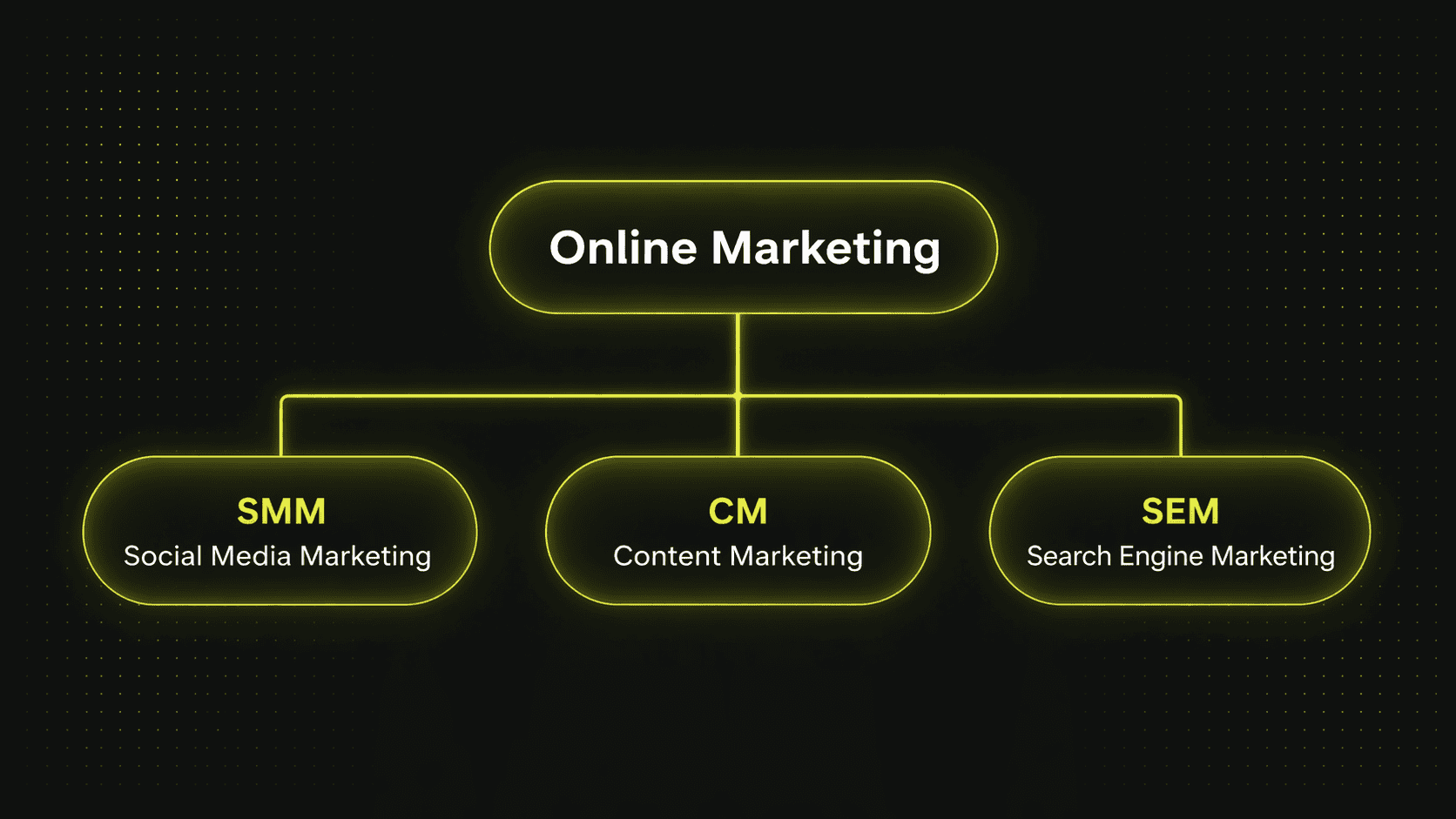
Suchmaschinen-Marketing (SEM) spielt dabei eine zentrale Rolle, da es die Sichtbarkeit einer Website in den Suchmaschinen verbessert.
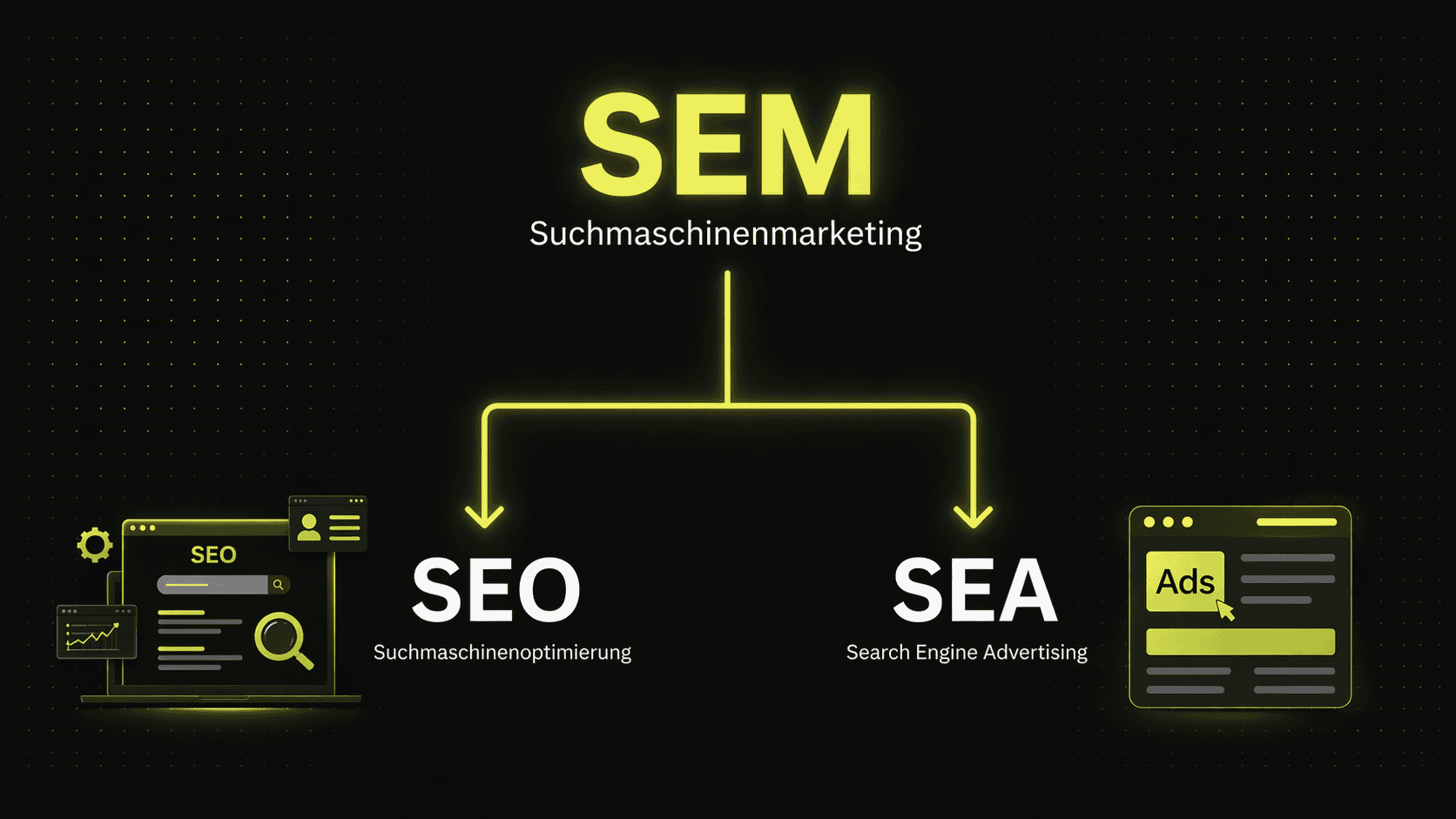
SEM umfasst zwei Hauptbereiche: Search Engine Optimization (SEO) und Search Engine Advertising (SEA).
Diese beiden Begriffe werden im Folgenden genauer erklärt.
Was ist SEO?
Suchmaschinenoptimierung (SEO) umfasst Massnahmen zur Verbesserung der Sichtbarkeit einer Website in den organischen Suchergebnissen von Suchmaschinen wie Google. Ziel ist es, durch höhere Platzierungen mehr qualifizierten Traffic zu generieren.
Unseren umfassenden SEO-Guide findest du hier.
Am Ende ist SEO also Mittel zum Zweck. Es geht darum über Sichtbarkeitssteigerung mehr Leads und Umsatz zu generieren.
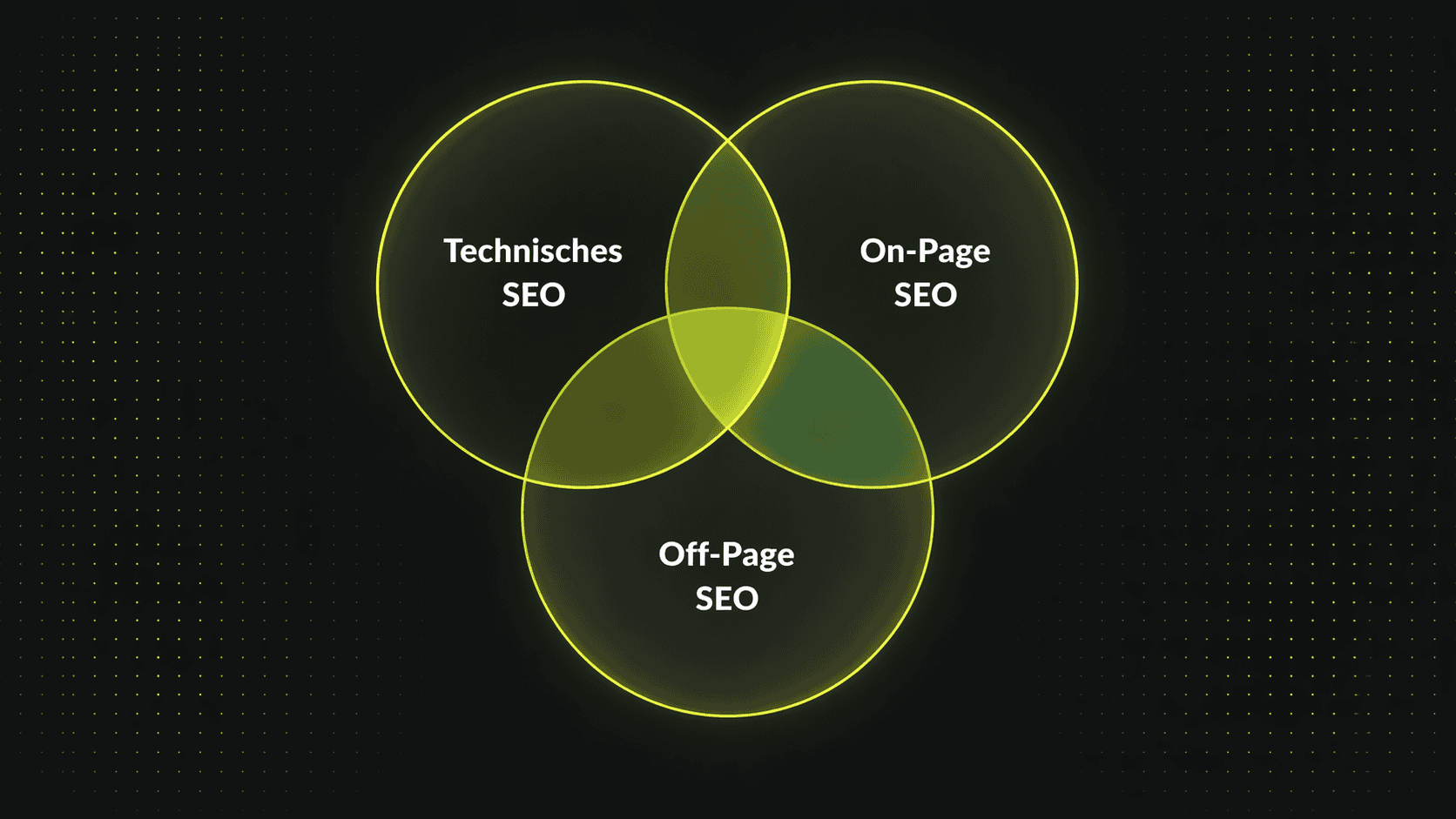
Ich teile SEO in drei grundsätzliche Kategorien ein: Technisches SEO, On-Page SEO und Off-Page SEO.
Was ist SEA?
Suchmaschinenwerbung (SEA) bezeichnet die bezahlte Platzierung von Anzeigen, auch bekannt als Search Ads, in den Suchergebnissen von Suchmaschinen wie Google. Unternehmen bieten auf spezifische Keywords, um ihre Anzeigen prominent zu positionieren und so gezielt potenzielle Kunden anzusprechen. Dabei bezahlt man Google eine Gebühr für jeden erzielten Klick (Pay-per-Click).
Auch bei SEA geht es also einerseits um Sichtbarkeitssteigerung, andererseits auch um Leadgenerierung und Verkaufsförderung. Die beiden Kanäle SEO und SEA verfolgen also die gleichen Ziele.
Wie läuft eine PPC-Kampagne genau ab? Hier eine archetypische Darstellung, welche den Zyklus einer Pay-per-Click (PPC) Kampagne veranschaulicht.
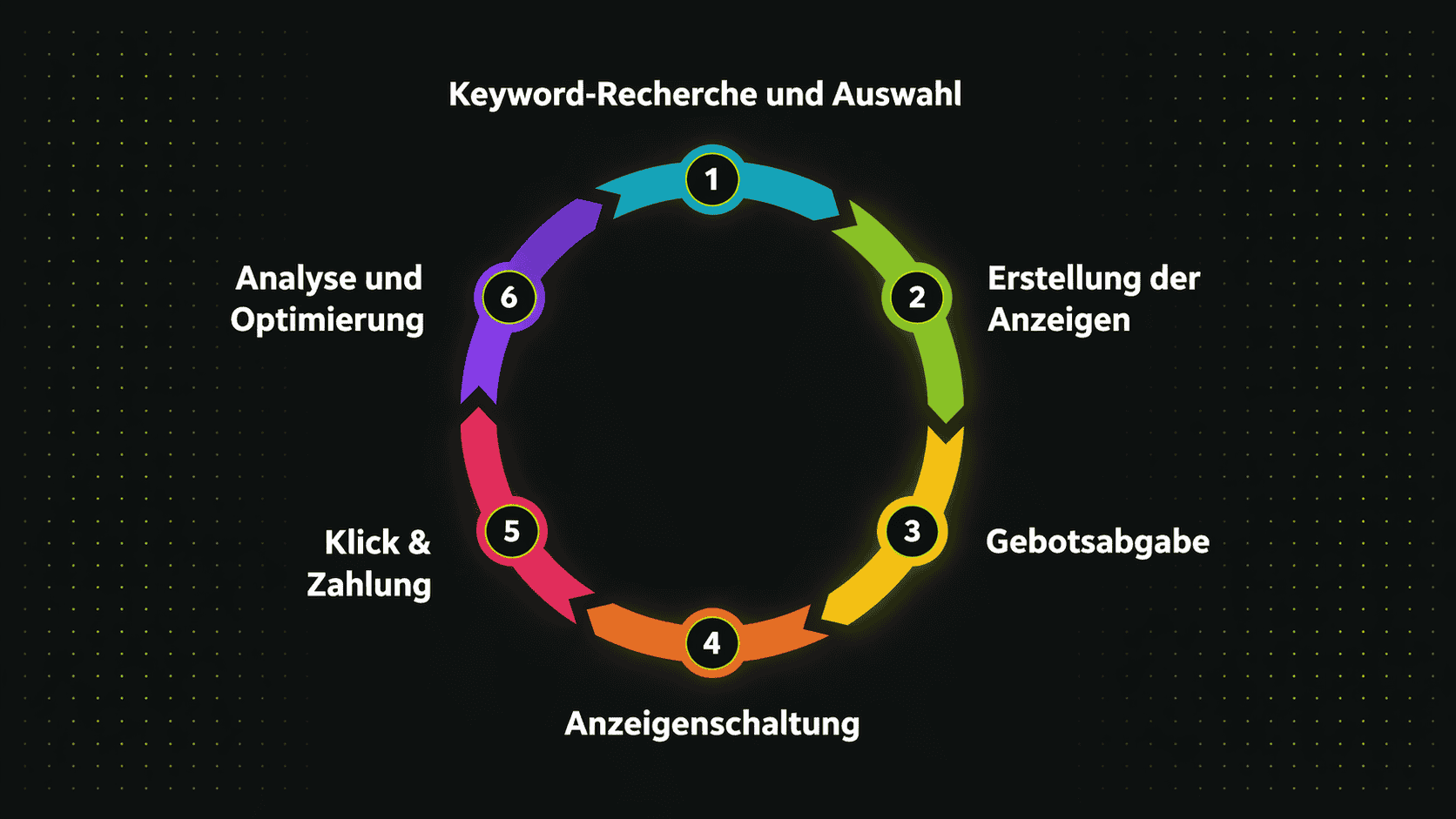
1. Keyword-Recherche und Auswahl
Unternehmen identifizieren relevante Suchbegriffe, die potenzielle Kunden verwenden könnten, um nach ihren Produkten oder Dienstleistungen zu suchen. Diese Keywords bilden die Grundlage für die Anzeigenschaltung.
2. Erstellung der Anzeigen
Basierend auf den ausgewählten Keywords werden ansprechende und relevante Anzeigen erstellt. Diese sollten klare Handlungsaufforderungen enthalten und den Nutzer direkt ansprechen.
3. Gebotsabgabe
Werbetreibende legen fest, wie viel sie bereit sind, pro Klick auf ihre Anzeige zu zahlen. Dieses Gebot, zusammen mit dem Qualitätsfaktor der Anzeige, bestimmt die Platzierung in den Suchergebnissen.
4. Anzeigenschaltung
Wenn ein Nutzer eine Suchanfrage stellt, die mit den ausgewählten Keywords übereinstimmt, nimmt die Anzeige an einer Auktion teil. Die Kombination aus Gebotshöhe und Anzeigenqualität entscheidet über die Position der Anzeige.
5. Klick und Zahlung
Klickt ein Nutzer auf die Anzeige, wird er zur Zielseite weitergeleitet, und der Werbetreibende zahlt den festgelegten Betrag pro Klick.
6. Analyse und Optimierung
Durch kontinuierliches Monitoring der Kampagnenleistung können Anpassungen vorgenommen werden, um die Effektivität zu steigern und den Return on Investment (ROI) zu maximieren.
Gemeinsamkeiten von SEO und SEA
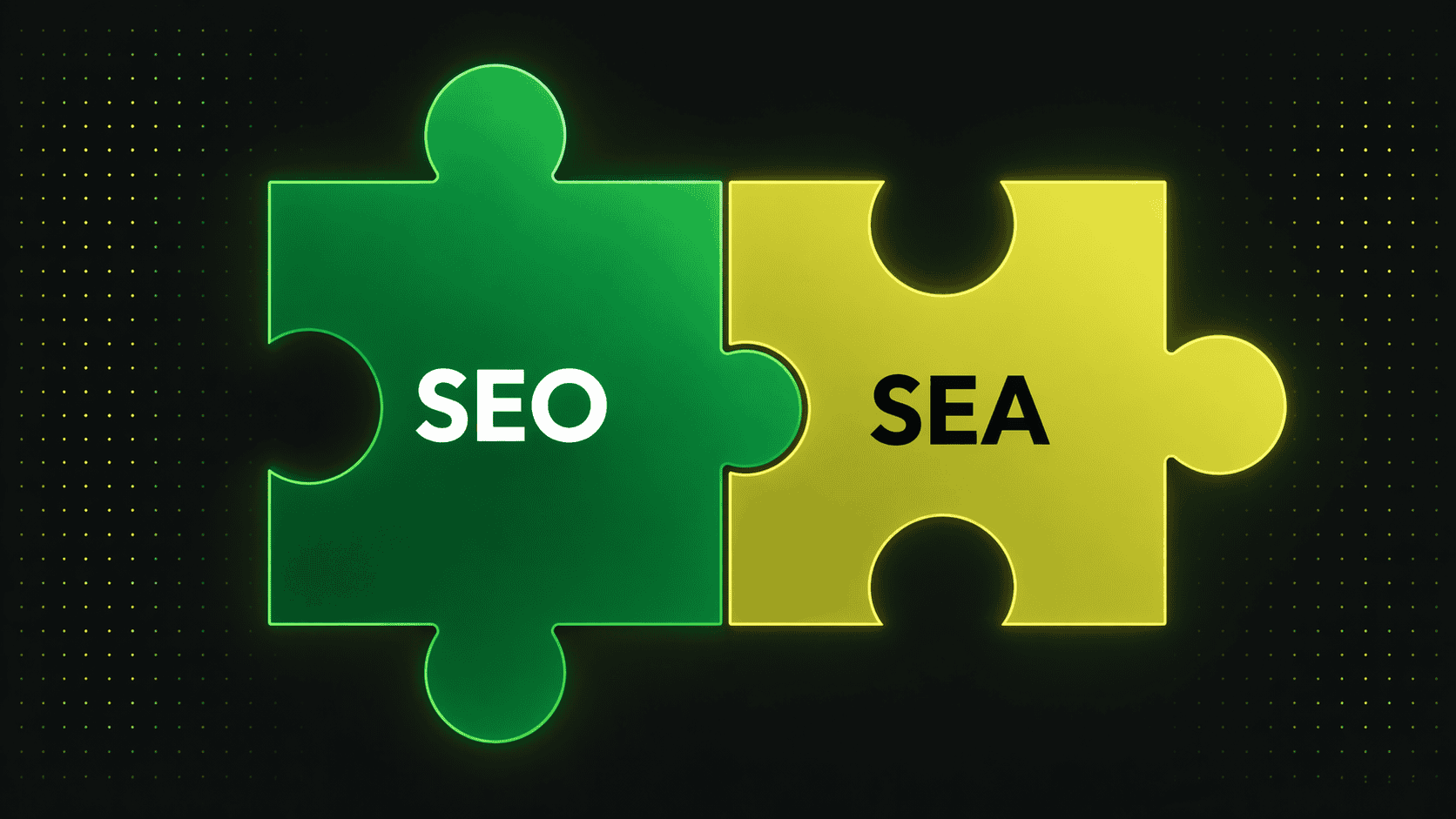
SEO und Search Engine Marketing sind sich nicht in allen Aspekten grundsätzlich verschieden. Ganz im Gegenteil, beiden Disziplinen teilen viele Gemeinsamkeiten. Im Folgenden werden die gemeinsamen Merkmale genauer erläutert.
Steigerung der Online-Sichtbarkeit
Wie bereits erwähnt, sind sowohl SEO als auch SEA geeignete Kanäle, um deine Online-Sichtbarkeit zu steigern. Bei beiden Kanälen geht es darum, deine Website und deren Inhalte in den Suchergebnissen möglichst prominent für relevante Keywords zu platzieren, damit potenzielle Kunden, die nach deinen Themen, Produkten oder Dienstleistungen suchen, auf dich aufmerksam werden und im besten Fall bei dir einkaufen statt der Konkurrenz.
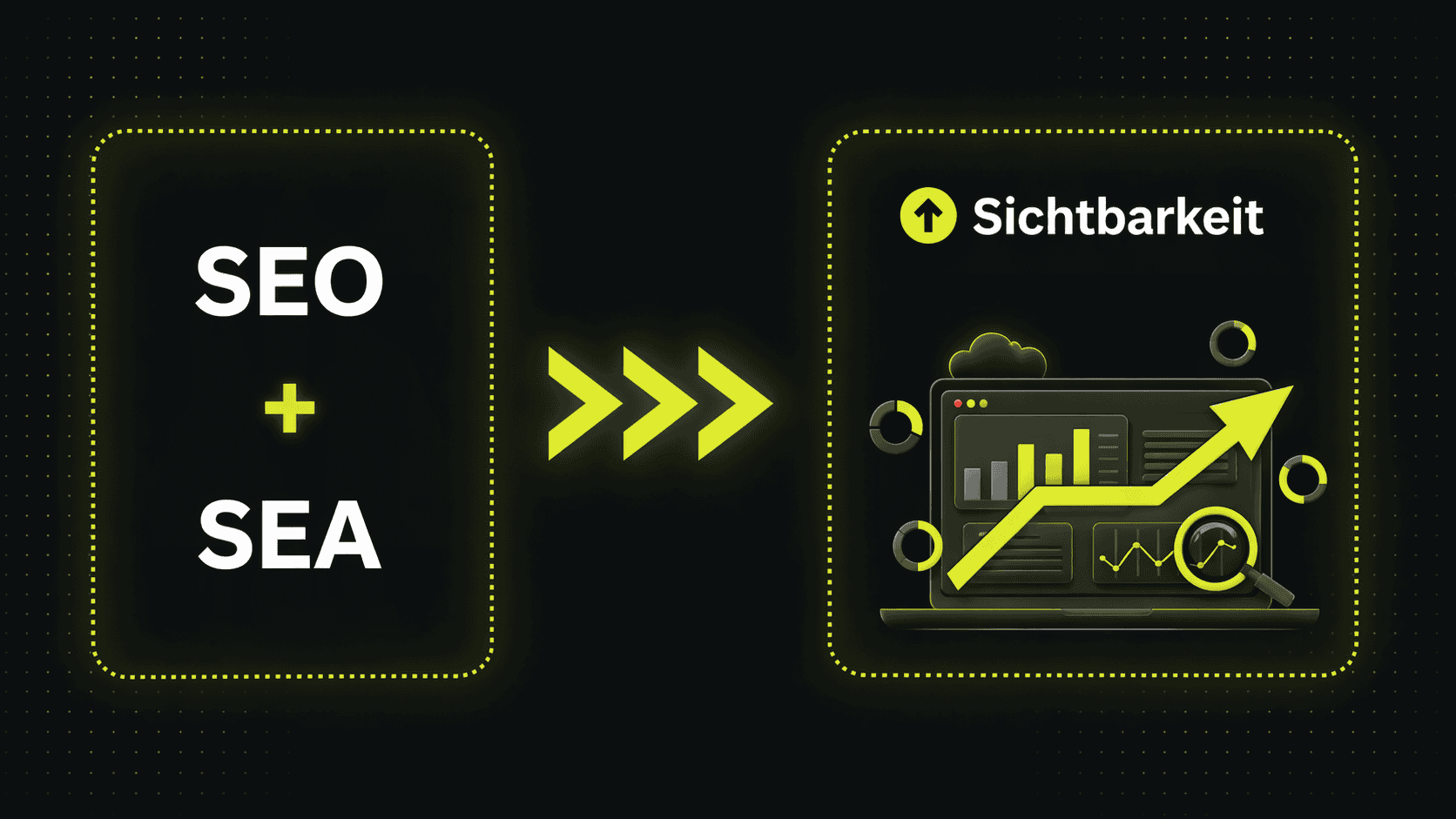
Wir bei Beyondweb nutzen SEO um bei Google und anderen neuen Suchmaschinen wie Search GPT, möglichst hoch in den Surchergebnissen zu erscheinen.
SEA hingegen setzen wir gezielt für Begriffe ein, bei denen wir bei SEO nicht organisch ranken können. Dazu später mehr.
Kanäle zur Leadgenerierung
Eine weitere Gemeinsamkeit ist die Möglichkeit, sowohl mit SEO als auch mit SEA Leads bzw. Kundenanfrage über die Website zu generieren.
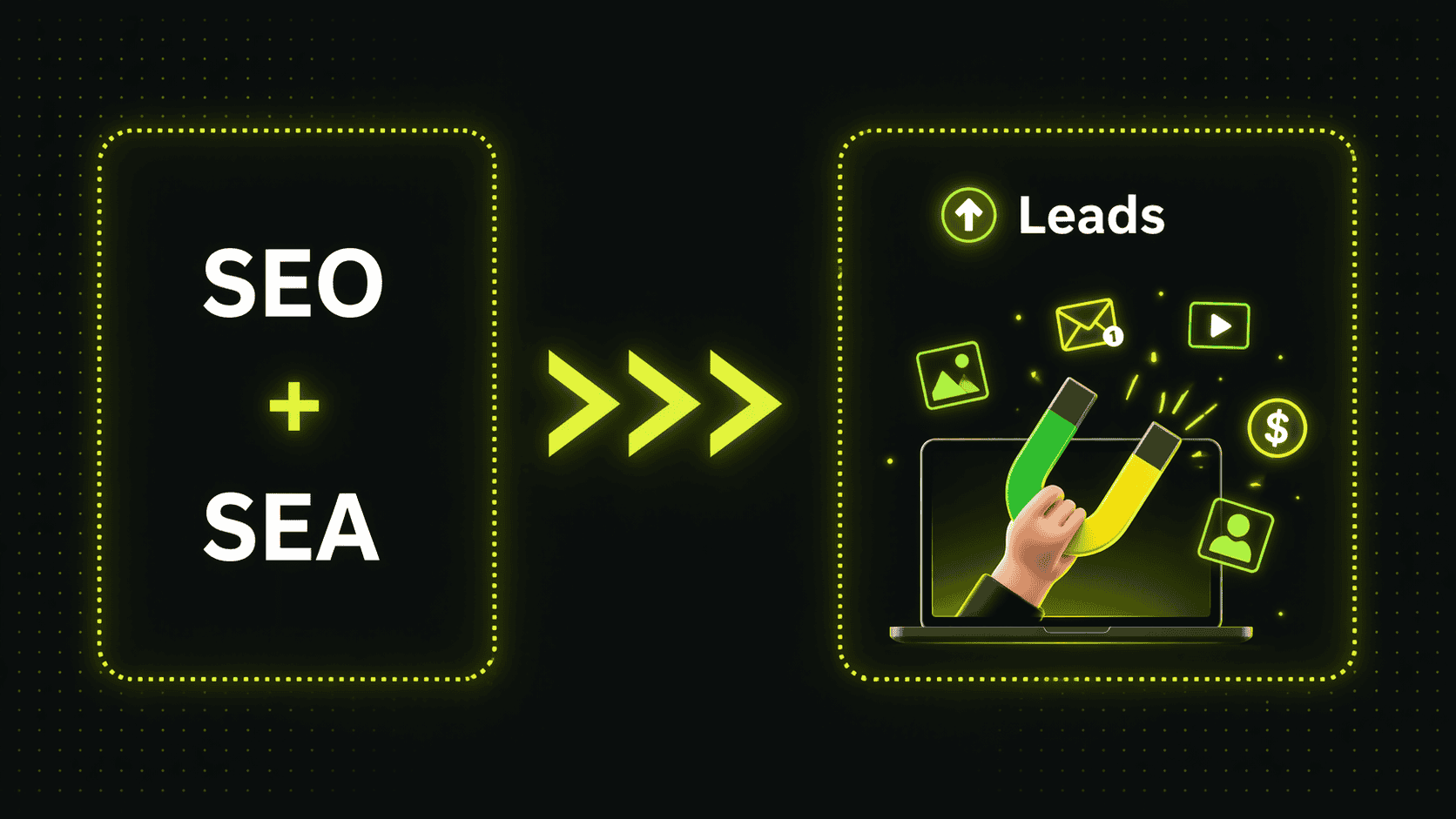
Die Leadgenerierung funktioniert bei SEO und SEA vorwiegend über sogenannte kommerzielle und transaktionale Keywords.
Das sind Begriffe, bei denen von der Suchintention des Begriffs abgeleitet werden kann, dass der User, der sie eingibt, etwas kaufen oder anfragen will. Ein Beispiel aus meiner Branche: das Keyword “SEO Agentur”.
Die Leadgenerierung funktioniert folgendermassen:
- Der potenzielle Kunde gibt ein kommerzielles/transaktionales Keyword in der Suchmaschine ein (z.B. Google).
- Der User schaut sich die ersten 10 Resultate an und klickt auf das relevanteste Suchergebnis.
- Der User landet (hoffentlich) auf deiner Website und falls deine Website und Produkt/Dienstleistung überzeugt, kauft er bei dir ein oder fragt bei dir an.
Wie aus dem obigen Prozess zu entnehmen ist, braucht es für die Leadgenerierung sowohl bei SEO als auch bei SEA nicht nur eine gut platzierte Anzeige, sondern auch eine überzeugende Website und ein Produkt/Dienstleistung.
Eine gut aufgebaute Landing-Page ist ein Faktor, der sowohl bei SEO als auch bei SEA aus meiner Erfahrung häufig unterschätzt wird.
Fokussierung auf relevante Keywords
Eine zusätzliche Gemeinsamkeit ist die Keyword-Fokussierung bei SEO und SEA.
Sowohl bei SEO als auch bei SEA geht es darum, bei relevanten Suchbegriffen möglichst weit oben in den Suchergebnissen zu erscheinen.
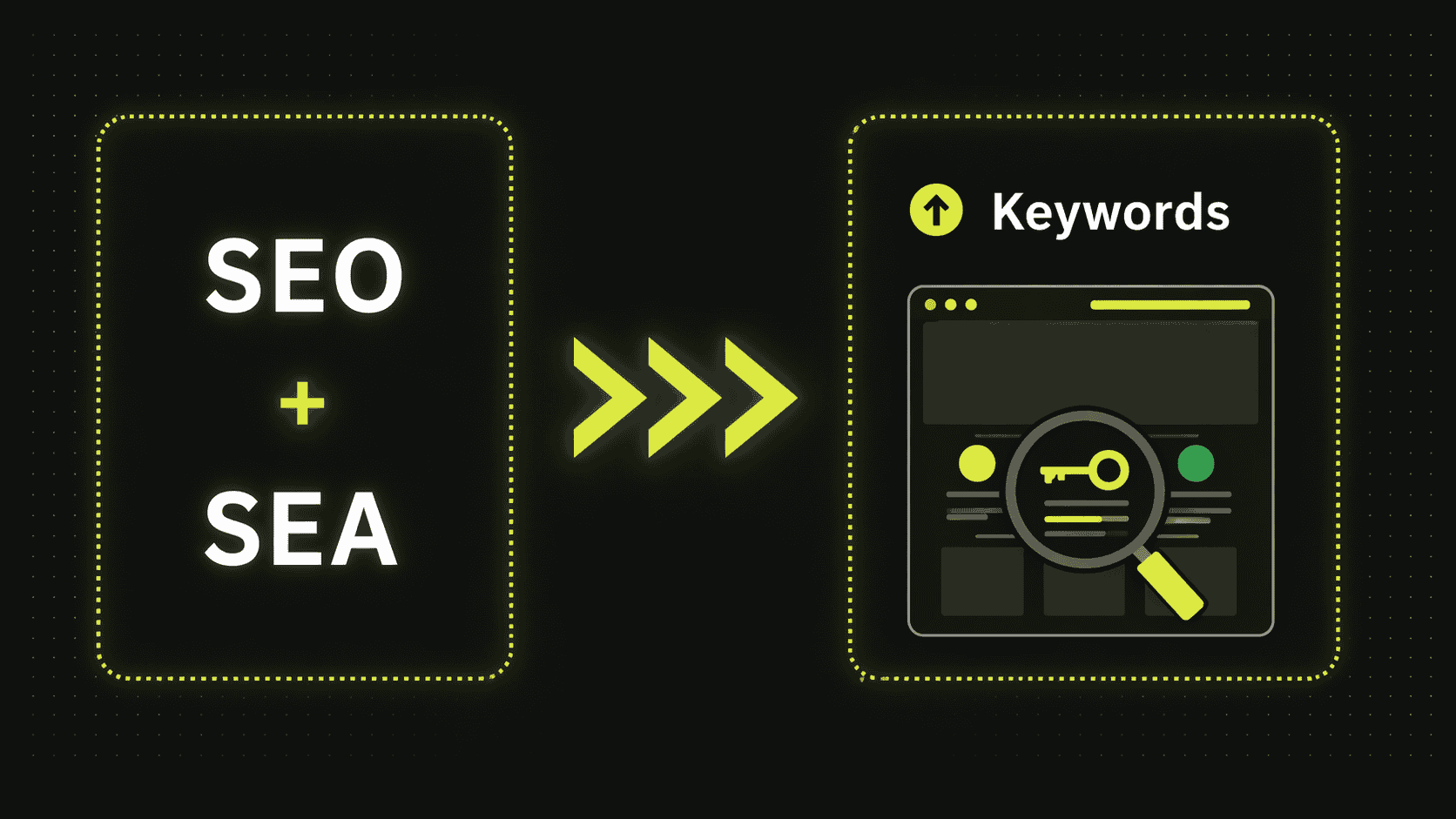
Wir bei Beyondweb unterscheiden zwischen 4 Arten von Keywords: informelle, navigierende, kommerzielle und transaktionale Keywords.
Bei SEA stehen auf Grund der Tatsache, dass man für jeden Klick zahlt, meistens die transaktionalen und kommerziellen Keywords im Zentrum der Kampagne, denn da haben die Suchenden eine klare Kaufintention.
Ja, es gibt auch SEA Awareness-Kampagnen, aber meistens sind solche Kampagnen sehr kostspielig und es werden Alternativen wie Social Ads bevorzugt.
Zudem muss noch angefügt werden, dass bei SEA natürlich nicht nur Keyword-basiert Werbung geschaltet werden kann. Es können Anzeigen auch im Display-Netzwerk (z. B. in bestimmten Apps) auf Basis von anderen Parametern ausgespielt werden.
Zudem bietet Google mit der Performance Max Kampagnen eine Option, Anzeigen vollständig auf Basis eines Algorithmus auszuspielen, ohne dass man klassische Keywords selektionieren muss. Der selbstlernende Algorithmus optimiert die Anzeigen autonom.
Gerade im vergangenen Jahr gab es jedoch viele kritische Stimmen zu diesen Algorithmus-Anzeigen von Google, da die Ergebnisse in vielen Fällen nicht zufriedenstellend waren und die Methodik intransparent.
Im Gegensatz zu SEA wird SEO nicht nur für kommerzielle, sondern auch informelle und navigierende Keywords eingesetzt.
SEO hat also auf der reinen Keywordebene ein breiteres Einsatzgebiet als SEA.
Unterschiede zwischen SEO und SEA
Nachdem wir uns die Gemeinsamkeiten von SEO und SEA angeschaut haben, werden in den folgenden Abschnitten die Differenzen der beiden Kanäle umrissen.
Zeithorizont für Ergebnisse
Einer der grössten Unterschiede von SEO und SEA ist der vorgesehene Zeithorizont der beiden Kanäle.
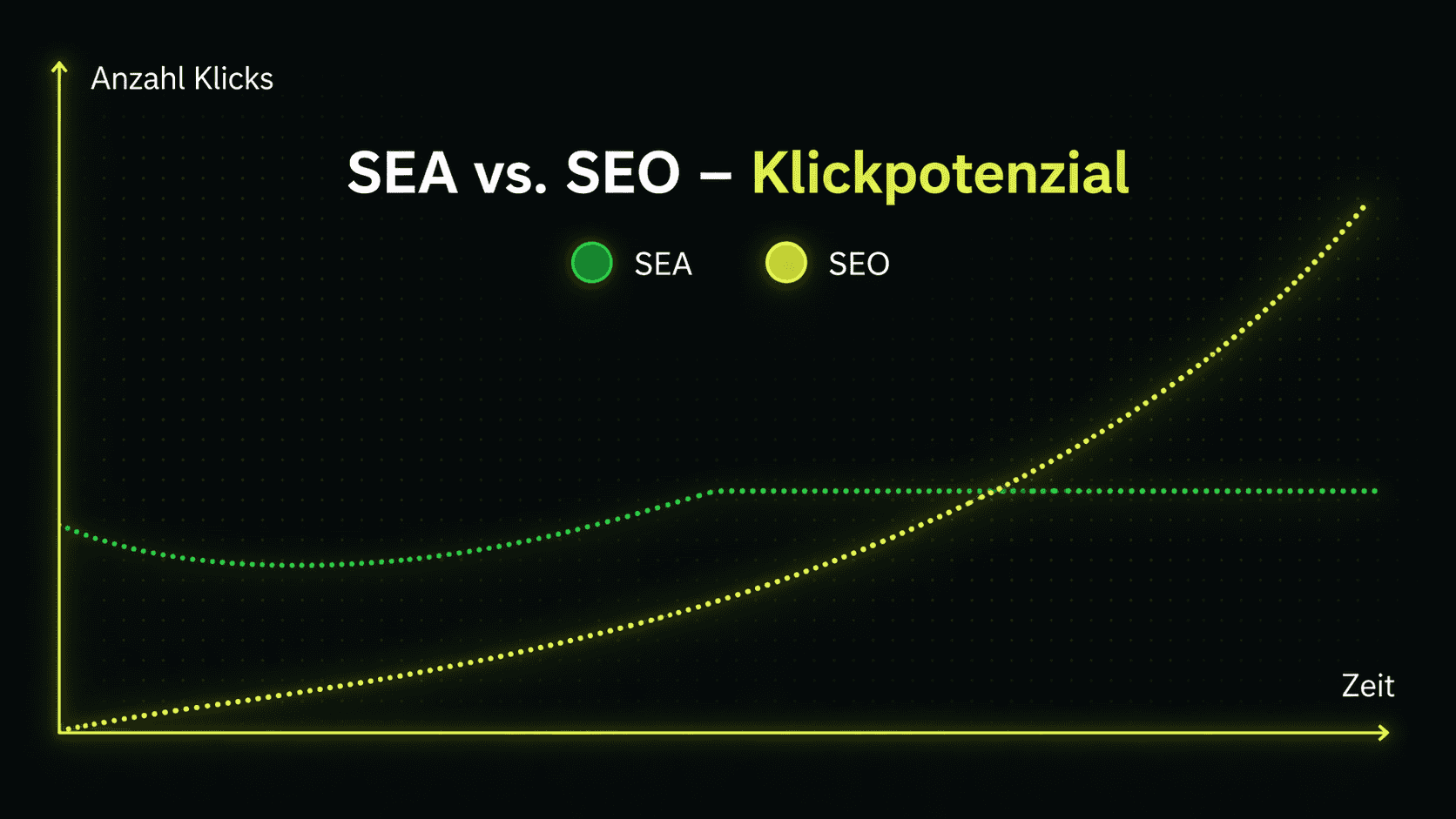
SEA ermöglicht es, von heute auf morgen Anzeigen zu schalten und damit Klicks zu generieren. SEA ist dadurch ein probates Mittel, um kurzfristige Marketing-Kampagnen zu schalten, einzelne Events oder Aktionen zu bewerben oder auch generell als Start-up den Product-Market-Fit des eigenen Produkts oder Dienstleistung zu testen.
SEA kann und wird auch häufig langfristig und für permanente Kampagnen eingesetzt. Da ist dann die Frage, inwiefern das Kosten-Nutzen-Verhältnis solcher Kampagnen im Vergleich zu SEO vertretbar ist, aber dazu im nächsten Abschnitt mehr.
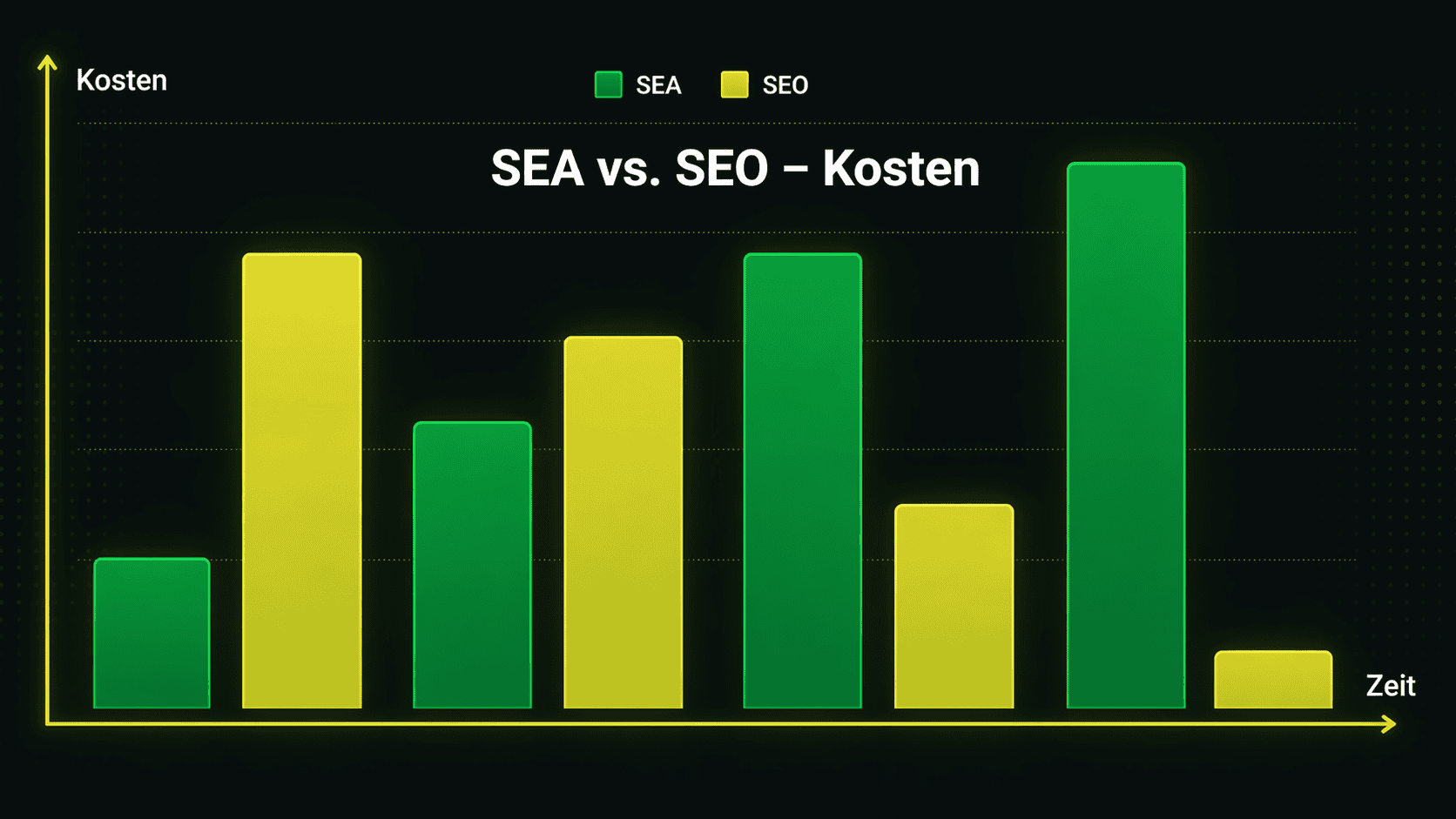
SEO hingegen ist im Vergleich zu SEA eine langfristig ausgerichtete Marketingmassnahme. Auch wenn wir für einige unserer Kunden bereits nach wenigen Wochen in die Top-Suchergebnisse bringen konnten, die Mehrheit der SEO-Kampagnen dauert 6–12 Monate oder länger.
Der Hauptgrund, warum SEO länger dauert als SEA ist, dass man sich gegenüber der bestehenden Konkurrenz durchsetzen muss. Man kann nicht einfach eine Anzeige schalten und ein paar Franken pro Klick mehr bezahlen als die Konkurrenz.
Die gesamte Website muss umfassender optimiert sein als die der Konkurrenz, damit der Google-Algorithmus sie organisch als relevanter einstuft. Abhängig davon, wie weit die Konkurrenz bereits enteilt ist, kann eine SEO-Kampagne länger oder kürzer dauern. Nach einem initialen Audit & Strategie sollten entsprechende KPIs und ein Zeithorizont festgelegt werden können.
Return on Investment (ROI)
Sowohl SEO als auch SEA können für einen hohen ROI sorgen. Langfristig ist es jedoch so, und das belegen zahlreiche Studien, dass SEO einer der Kanäle mit dem höchsten ROI ist.
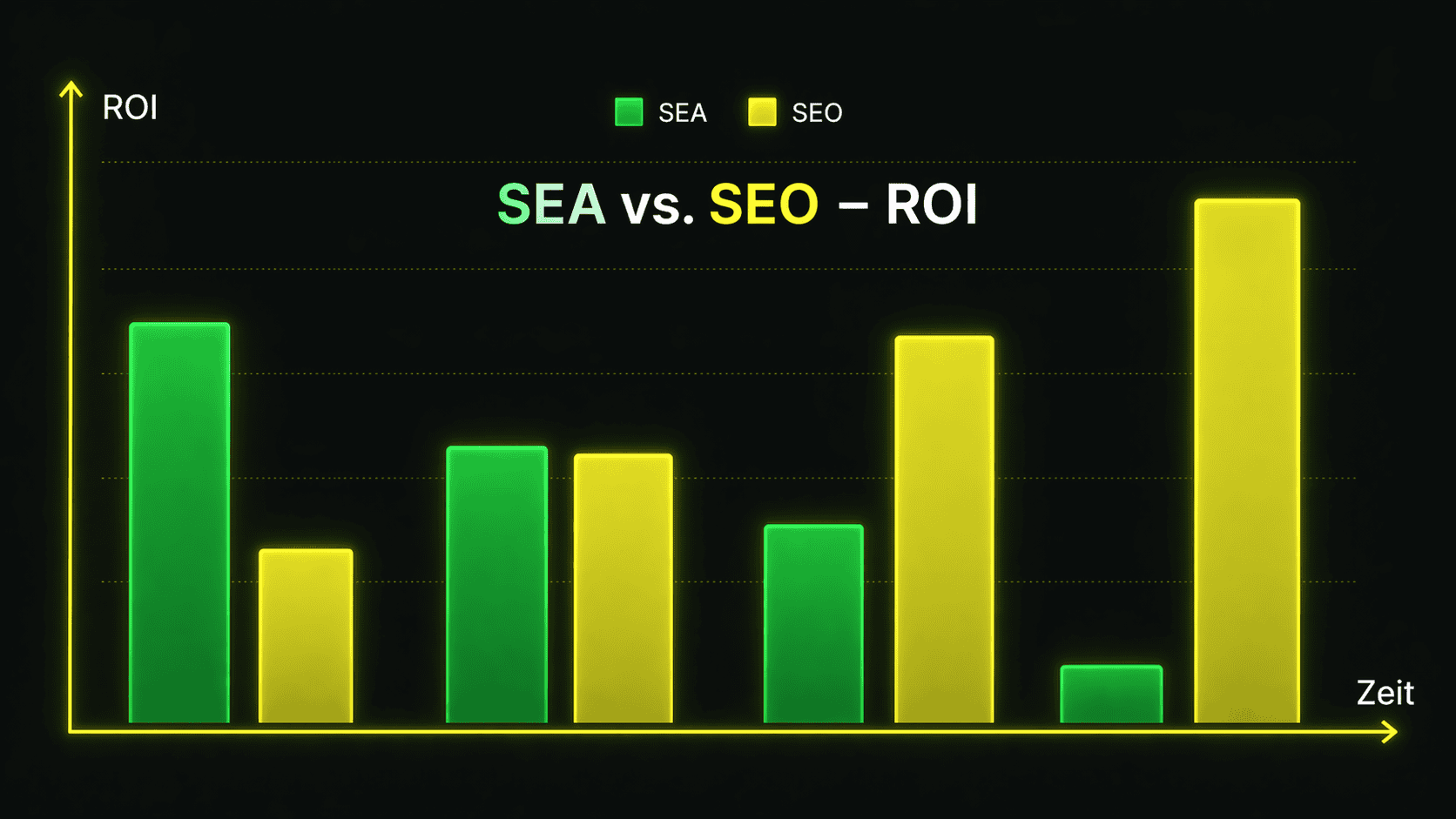
Warum?
Langfristig verursachen SEA-Kampagnen oftmals sehr hohe Kosten, da jeder einzelne Klick eingekauft werden muss.
SEO hingegen ist am Anfang zwar kostenintensiv, aber sobald man die Top-Suchergebnisse erreicht hat, erhält man alle Klicks ohne zusätzliche Mehrkosten. Dadurch ist der ROI bei SEO wesentlich höher als bei SEA.
Umsetzungsmethoden und Strategien
Ein weiterer Unterschied von SEO und SEA-Kampagnen liegt in der Umsetzung. Beide Kanäle fokussieren sich zwar auf Google, aber haben fundamental andere Methoden zur Zielerreichung.
Bei SEO geht es oftmals darum, eine Website technisch zu optimieren, mehr und vor allem auch bessere Inhalte zu erstellen, die für bestimmte Keywords optimiert sind. Zudem ist der Aufbau von thematisch relevanten Backlinks von autoritären Seiten zentral, um die eigene Sichtbarkeit zu steigern.
Bei SEA, wie oben bei der Einführung bereits beschrieben, geht es vorwiegend darum, klickmaximierende Anzeigen und konvertierende Landing-Pages zu erstellen, welche die Klicks monetarisieren.
Investitionsmodelle und Budgetierung
Auch bei den Investitionsmodellen und der Budgetierung unterscheiden sich die beiden Methoden massgeblich.
Bei der Planung von SEA-Kampagnen, ist es wichtig, das Budget effizient zu nutzen, um den Return on Investment (ROI) zu maximieren.
Bei SEA bleiben die Investitionen über die Zeit mehrheitlich konstant. Die Klicks müssen laufend eingekauft werden. Bei grösser werdender Konkurrenz können die Klickpreise aber auch steigen, da Google ein dynamisches Pricing-Modell nutzt.
Generell hat Google die Klickpreise unabhängig von der Konkurrenz über die letzten Jahre angehoben. Wie die Google Ads Agentur – Grow my Ads im vergangenen Jahr enthüllt hat, hat Google vom Jahr 2023 bis 2024 die Preise im Durchschnitt um ca. 15 % erhöht. Dafür hat Google viel Kritik eingesteckt. Die Kosten für Search Engine Advertising steigen Jahr für Jahr.
Bei SEO hingegen sind meist höhere Anfangsinvestitionen notwendig, um Fortschritte zu sehen. Du musst dir überlegen, ob es sich lohnt, eine Agentur zu beauftragen, oder ob du SEO selbst umsetzen möchtest. Mittel- bis langfristig kann das Budget in den meisten Fällen jedoch reduziert werden. Auch hier gilt natürlich, wenn die Konkurrenz plötzlich mehr in SEO investiert, dann müssen wir auch mehr investieren, was die Kosten in die Höhe treiben kann.
Reichweite und Einsatzmöglichkeiten
SEO wird oft auf Google-SEO reduziert, aber heute sind auch andere Plattformen hervorragend geeignet, um SEO zu betreiben.
Das Suchmonopol ist schon lange nicht mehr nur bei Google. Andere Plattformen wie YouTube oder TikTok haben Marktanteile gewonnen. Gerade junge Menschen der Generation Z suchen oftmals lieber über Social-Media-Plattformen statt Google.
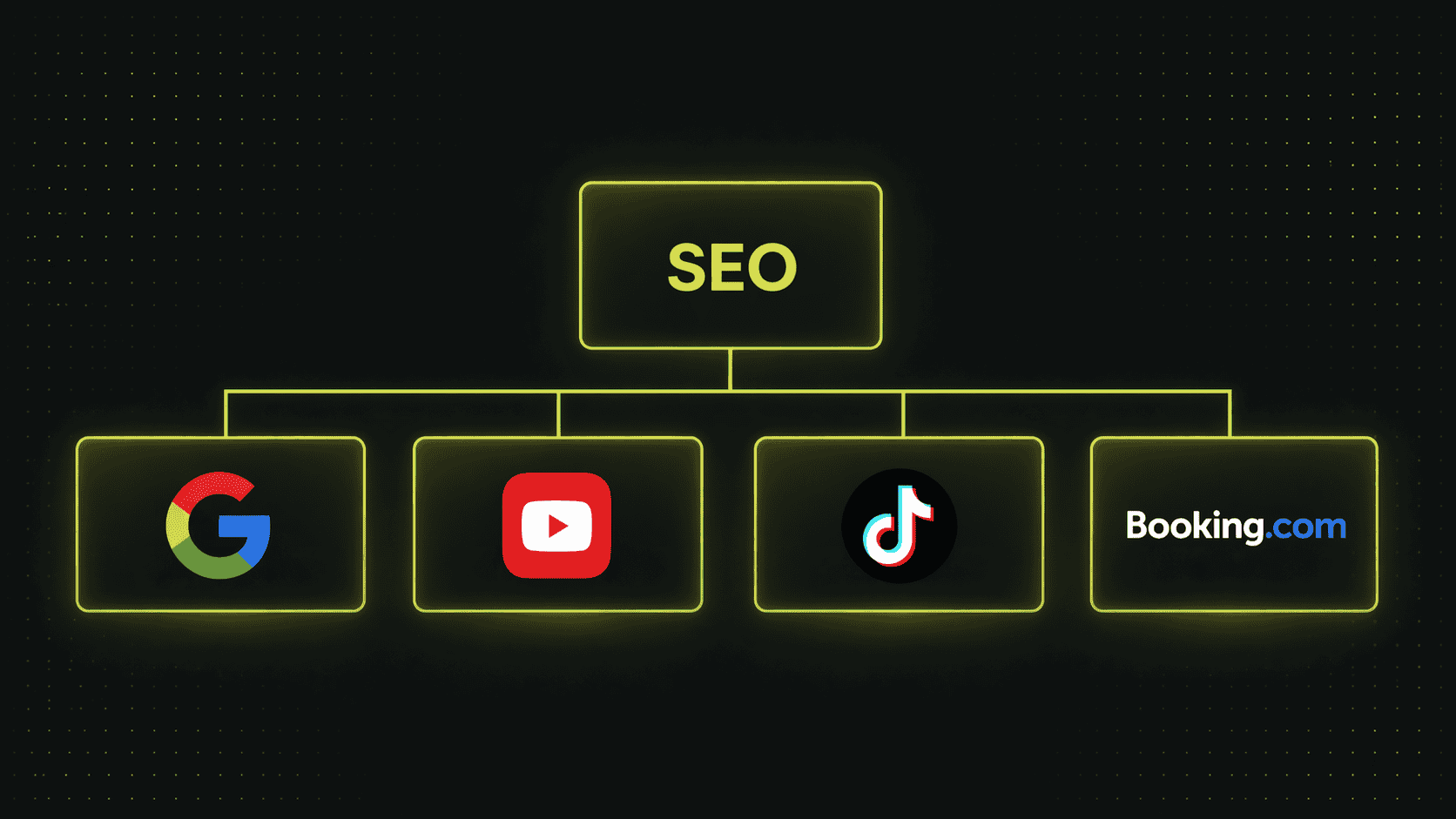
Das heisst, je nach Zielgruppe verschiebt sich der Fokus von SEO auf andere Plattformen wie YouTube, TikTok, TripAdvisor und Booking betrieben werden. Alle Plattformen mit einer Suchfunktion verwenden Algorithmen. Für diese Algorithmen kann man den eigenen Unternehmenseintrag optimieren oder in anderen Worten SEO betreiben.
SEO muss also nicht zwingend nur auf Google reduziert werden. Natürlich muss aber auch gesagt werden, dass Google aktuell immer noch 90 % (Stand 2024, Statcounter) von weltweiten Suchvolumen abdeckt.
Google-SEO ist und bleibt voraussichtlich die wichtigste Form von SEO in absehbarer Zeit. Dennoch lohnt es sich auch mal nach links und rechts zu schauen.
SEA kann im Vergleich zu SEO auf weniger Plattformen betrieben werden. Klassische Suchanzeigenwerbung gibt es auf Google und Bing.
Bei Google besteht zudem die Möglichkeit, über das Display-Netzwerk und Partner-Websites sowie Apps über die reine Suchmaschine hinaus Werbung zu schalten. Dadurch kann man weitere Zielgruppen erreichen.
Messbarkeit und Key Performance Indikatoren (KPIs)
SEO-Ergebnisse sind oft langfristig und erfordern kontinuierliches Monitoring. Die Auswirkungen von Optimierungen zeigen sich nicht sofort, sondern über Wochen oder Monate hinweg. Daher ist eine regelmässige Analyse notwendig, um Fortschritte zu erkennen.
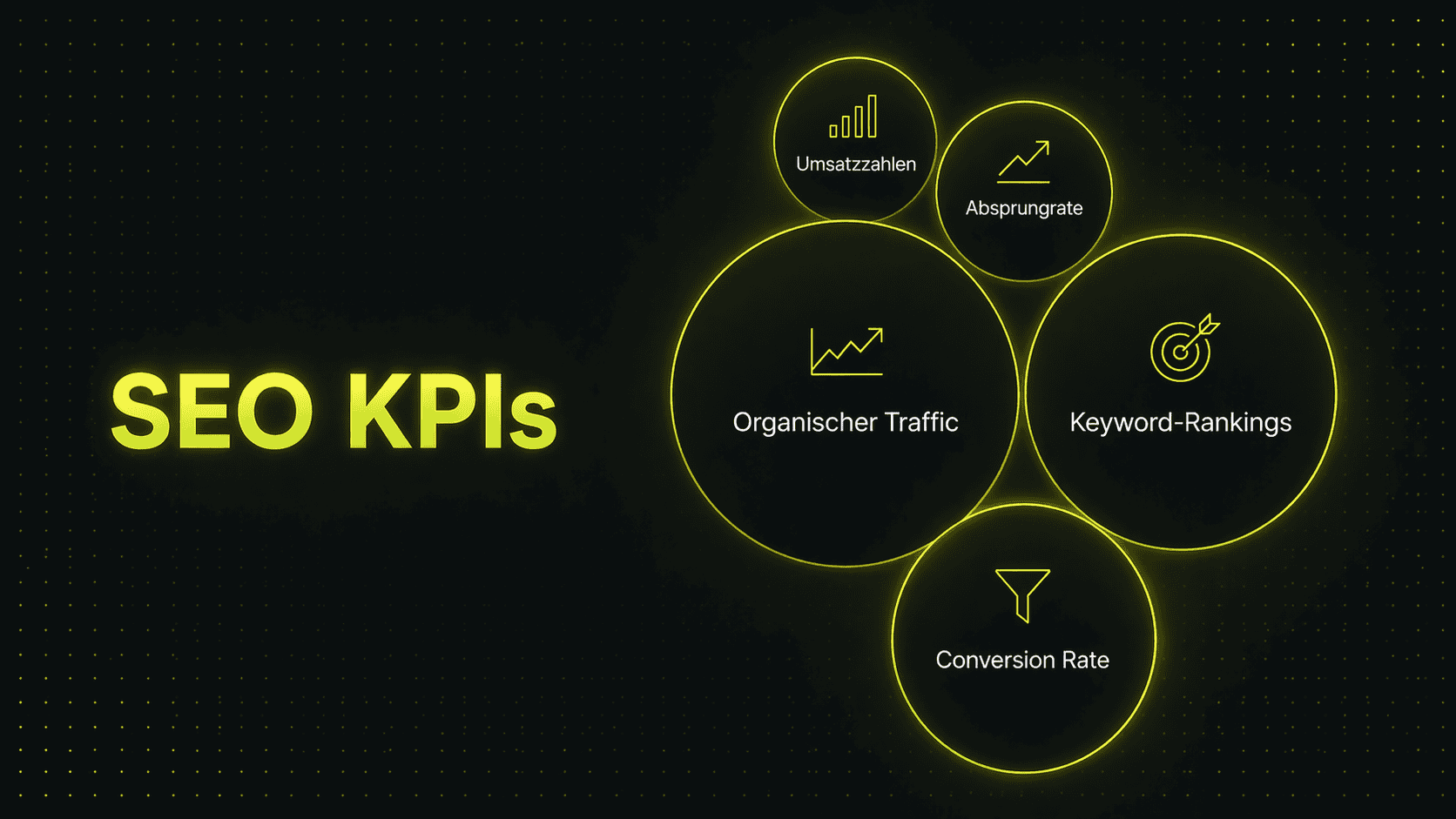
Folgende KPIs werden bei SEO-Kampagnen für die Erfolgsmessung häufig herangezogen. Aus meiner Erfahrung ergibt es Sinn, nicht nur einen der folgenden KPI-Parameter festzulegen, sondern mehrere Parameter pro Kampagne zu messen.
Oft verwendete SEO KPIs:
- Organischer Traffic: Anzahl der Besucher, die über unbezahlte Suchergebnisse auf die Website gelangen.
- Keyword-Rankings: Positionierung der Website für relevante Suchbegriffe.
- Conversion-Rate: Prozentsatz der Besucher, die eine gewünschte Aktion ausführen, z. B. einen Kauf tätigen.
- Absprungrate (Bounce Rate): Anteil der Besucher, die die Seite ohne Interaktion verlassen.
- Umsatzsteigerung (bei E-Commerce): Die Umsatzzahlen sind nicht immer einwandfrei erfassbar und können auch von anderen Faktoren als SEO beeinflusst werden. Dennoch kann es als Indikator für den Erfolg einer SEO-Kampagne herangezogen werden.
SEA liefert im Gegensatz zu SEO sofortige Ergebnisse, die in Echtzeit überwacht werden können. Anzeigenkampagnen bieten detaillierte Daten, die eine schnelle Anpassung und Optimierung ermöglichen.
Folgende KPIs werden bei SEO-Kampagnen für die Erfolgsmessung häufig herbeigezogen.
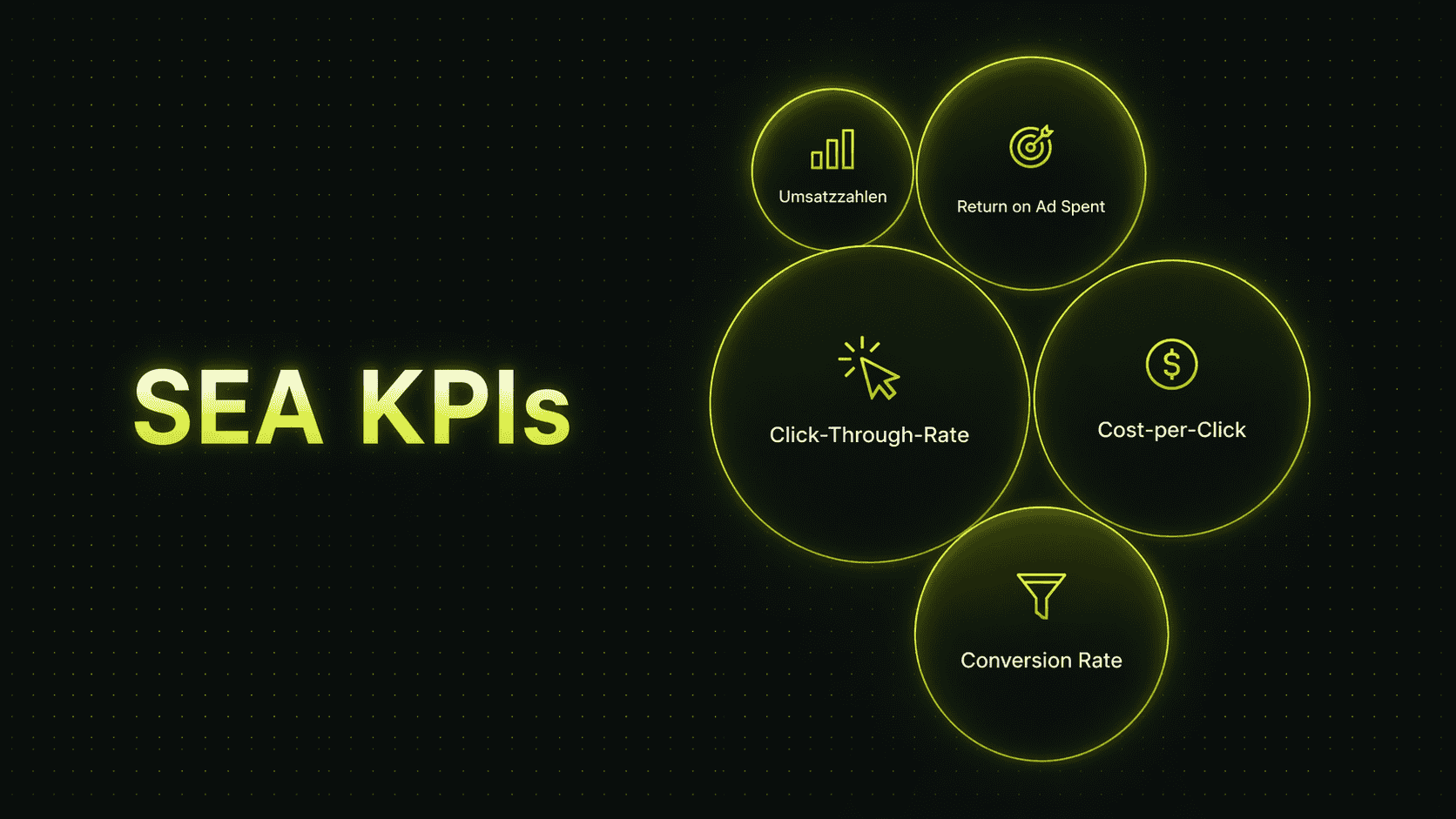
Oft verwendete SEA KPIs:
- Click-Through-Rate (CTR): Prozentsatz der Nutzer, die auf die Anzeige klicken.
- Cost per Click (CPC): Durchschnittliche Kosten pro Klick auf die Anzeige.
- Conversion-Rate: Prozentsatz der Klicks, die zu einer gewünschten Aktion führen.
- Return on Ad Spend (ROAS): Umsatz im Verhältnis zu den Werbeausgaben.
Vorteile und Nachteile von SEO
SEO bietet viele Vorteile, aber auch ein paar Nachteile. Im Folgenden werden alle Vor- und Nachteile kompakt aufgelistet, damit du schnell entscheiden kannst, ob SEO der richtige Marketingkanal für dein Unternehmen ist.
| Vorteile von SEO | Nachteile von SEO |
|---|---|
| Langfristige Sichtbarkeit und Nachhaltigkeit | Lange Dauer, bis erste Ergebnisse sichtbar sind (mehrere Wochen bis Monate) |
| Kosteneffizient, da keine laufenden Klickkosten | Hohe Anfangsinvestition für Optimierung und Content-Erstellung |
| Aufbau von Vertrauen und Glaubwürdigkeit | Starke Abhängigkeit von Suchmaschinen-Algorithmus-Updates |
| Breite und zielgerichtete Reichweite (lokal und global) | Erfordert kontinuierliche Pflege und Anpassung |
| Kann ohne geografische Einschränkungen wirken | Nicht geeignet für zeitkritische Kampagnen und sofortige Ergebnisse |
Vorteile und Nachteile von SEA
In der folgenden Übersichtstabelle werden alle Vor- und Nachteile von SEA kompakt aufgelistet, damit du schnell entscheiden kannst, ob SEA der richtige Marketingkanal für dein Unternehmen ist.
| Vorteile von SEA | Nachteile von SEA |
|---|---|
| Schnelle Sichtbarkeit und sofortiger Traffic | Laufende Kosten pro Klick (CPC) |
| Gezielte Ansprache spezifischer Zielgruppen | Kostenintensiv bei hohem Wettbewerb |
| Flexibilität und schnelle Anpassung von Kampagnen | Traffic endet, sobald die Kampagne stoppt |
| Messbare Ergebnisse und klare KPIs | Erfordert kontinuierliches Budget |
| Verkaufsfördernd bei Markteinführungen und Aktionen | Anzeigen können bei Nutzern als störend empfunden werden oder Misstrauen stiften |
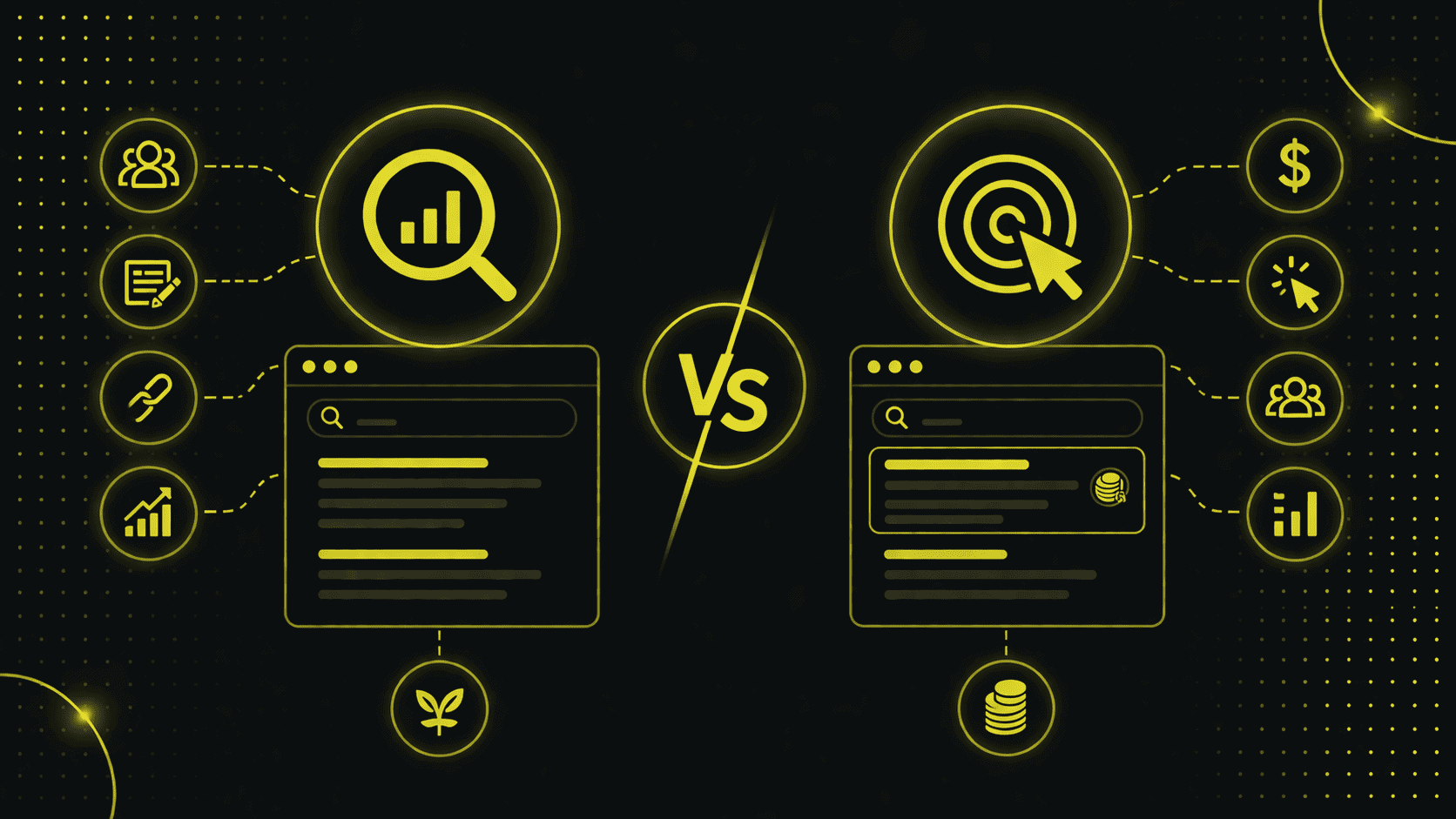
Was lohnt sich mehr? SEO oder SEA?
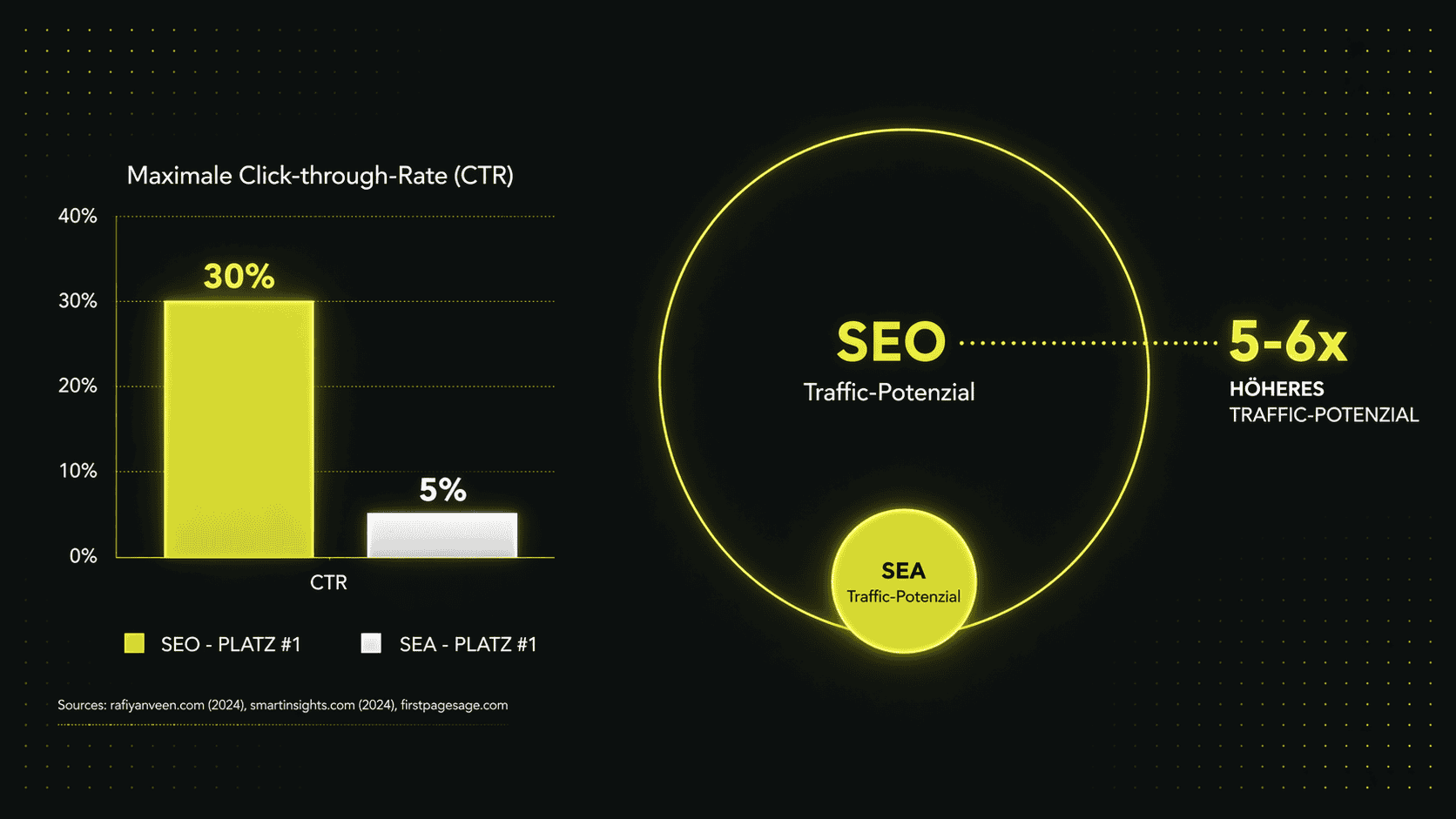
Wenn man diese Frage auf die nackten Zahlen von zahlreichen Studien reduzieren will, kann man festhalten. SEA lohnt sich kurzfristig mehr, langfristig ist SEO der wesentlich profitablere Kanal.
Warum?
Das siehst du in der folgenden Grafik.
Vergleichstabelle SEO vs. SEA
Hier siehst du SEO und SEA im direkten Vergleich in der folgenden Tabelle.
Zeit bis Ergebnisse |
| SEO |
| Mehrere Monate bis sichtbare Ergebnisse. |
| SEA |
| Sofortige Sichtbarkeit nach Kampagnenstart. |
Wirkungsdauer |
| SEO |
| Langfristig nachhaltig, auch nach Beendigung der Maßnahmen. |
| SEA |
| Nur während der Kampagnenlaufzeit wirksam. |
Vertrauenswürdigkeit |
| SEO |
| Höheres Nutzervertrauen in organische Ergebnisse. |
| SEA |
| Weniger Vertrauen, da als Anzeige gekennzeichnet. |
Flexibilität |
| SEO |
| Weniger flexibel bei kurzfristigen Änderungen. |
| SEA |
| Hohe Flexibilität; schnelle Anpassungen möglich. |
Messbarkeit |
| SEO |
| Schwieriger zu messen; indirekte KPIs. |
| SEA |
| Einfache Messbarkeit; direkte KPIs verfügbar. |
Worauf sollst du dich fokussieren – SEO oder SEA? Meine Empfehlungen
Eine Antwort auf die Frage, was sich mehr auszahlt, lässt sich nicht pauschal beantworten.
Vielmehr kommt es auf den entsprechenden unternehmerischen Kontext und Ziele an, die entscheiden, auf welchen Kanal man setzen sollte.
Szenario 1: Langfristige Ziele und genügend Cash Flow = SEO
Wenn du es dir ohne Probleme finanziell leisten kannst, 6–12 Monate auf Resultate zu warten, dann setze auf SEO. Dadurch wirst du nachhaltig organischen Traffic aufbauen und hast mittel- bis langfristig den wesentlich höheren Return on Investment (ROI) als bei SEA.
Szenario 2: Kurzfristige Ziele und begrenztes Budget = SEA
Nutze SEA, um mit begrenztem Budget sofortige Sichtbarkeit zu erlangen, beispielsweise bei Produkteinführungen, Events oder zeitlich begrenzten Rabattaktionen.
Szenario 3: Kurzfristige & langfristige Ziele und keine Budgeteinschränkungen = SEO + SEA
Eine integrierte Nutzung von SEO und SEA kann sinnvoll sein, um sowohl kurzfristige als auch langfristige Ziele zu erreichen. Durch SEA gewonnene Erkenntnisse können zudem die SEO-Strategie optimieren.
Synergien zwischen SEO und SEA
Bis anhin habe ich SEO und SEA vor allem als konkurrenzierende Massnahmen dargestellt. Das ist auch der Hauptfokus dieses Artikels, denn nur wenige Unternehmen haben das Bedürfnis und Budget, um das Potenzial beider Kanäle voll auszuschöpfen.
Für die Unternehmen, die mit dem Gedanken spielen, SEO und SEA parallel zu bewirtschaften, sind im folgenden einige meiner Erkenntnisse, wie sich die Kanäle gegenseitig positiv beeinflussen und Synergien schaffen können.
Wie sich SEO-Massnahmen positiv auf SEA auswirken
Keyword-Optimierung: Durch die Analyse der organischen Suchanfragen identifizierst du Keywords, die bereits ohne bezahlte Werbung gut ranken. Diese Erkenntnisse kannst du nutzen, um deine SEA-Kampagnen gezielt auf diese Keywords auszurichten, wo keine Chancen hast, organisch zu ranken.
Qualitätsfaktor verbessern: Eine technisch optimierte und inhaltlich hochwertige Website führt automatisch zu einer besseren Nutzererfahrung. Google bewertet dies positiv, was den Qualitätsfaktor deiner Google-Anzeigen erhöht. Ein höherer Qualitätsfaktor kann zu niedrigeren Klickpreisen und besseren Anzeigenpositionen führen.
Landingpage-Optimierung: SEO-Massnahmen, welche die Seitenstruktur, Call-to-Action (CTAs) und Texte nutzerzentriert optimieren, wirken sich auch positiv auf die Performance deiner SEA-Kampagnen aus. Denn gut optimierte Landingpages reduzieren die Absprungrate und erhöhen die Conversion-Rate.
Nutzung von SEA-Daten zur Optimierung von SEO-Strategien
Natürlich geht das ganze Spiel auch umgekehrt. Durch die Analyse von SEA-Kampagnen kannst du ebenso wertvolle Einblicke für deine SEO-Kampagne gewinnen.
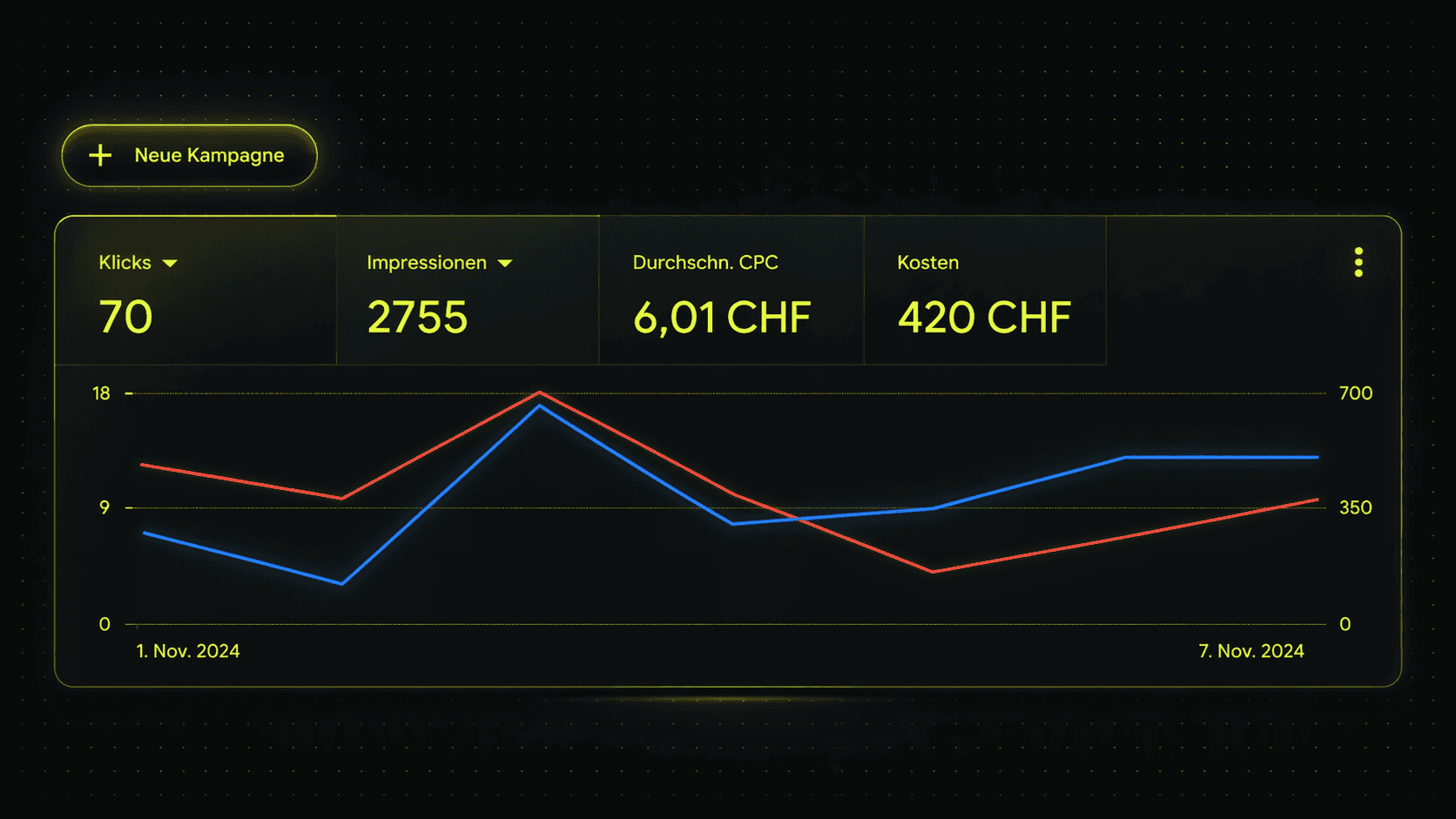
So kannst du mit Hilfe einer SEO-Kampagne die Performance und Conversion Rate spezifischer Keywords messen, und deine Suchmaschinenoptimierung entsprechend auf die wirkungsvollsten Keywords ausrichten.
Zudem ermöglichen dir die demografischen Daten und Nutzerinteressen aus SEA-Kampagnen, deine Inhalte besser auf die Bedürfnisse deiner Zielgruppe abzustimmen.
Häufig gestellte Fragen
Wie implementiere ich SEO / SEA am besten?
Die Entscheidung, ob du eine spezialisierte Agentur beauftragst oder einen Do-it-Yourself (DIY)-Ansatz verfolgst, hängt von deinen Ressourcen, deinem Fachwissen und deinen Zielen ab.
Die folgende Übersichtstabelle kann dir helfen, bei deinem Unternehmen die richtige Entscheidung zu treffen.
| Spezialisierte Agentur |
| Vorteile |
|
| Nachteile |
|
| DIY |
| Vorteile |
|
| Nachteile |
|
Wie hoch sollte mein monatliches Budget für SEO oder SEA sein?
Die Kosten für SEO (Suchmaschinenoptimierung) und SEA (Suchmaschinenwerbung) in der Schweiz variieren je nach Anbieter, Umfang der Dienstleistungen und spezifischen Anforderungen. Hier ist eine Übersicht basierend auf aktuellen Marktanalysen:
Bitte beachte, dass diese Angaben Richtwerte sind und je nach spezifischen Anforderungen und Marktbedingungen variieren können.
| Dienstleistung | Preisspanne | Details |
|---|---|---|
| SEO | Stundensätze | CHF 120 – CHF 250 pro Stunde – Abhängig von der Expertise der Agentur |
| Monatliche Pakete | Ab CHF 470 pro Monat – Für standardisierte Angebote wie Local SEO | |
| Umfassende Kampagnen | Ab CHF 1’000 pro Monat – Für Full-Service-SEO-Dienstleistungen | |
| SEA | Kosten pro Klick (CPC) | CHF 1 – CHF 5 – Durchschnittliche CPCs variieren je nach Branche und Wettbewerb |
| Monatliches Budget | CHF 1’000 – CHF 5’000 – Üblich für kleine bis mittlere Unternehmen |
Welche Tools unterstützen bei der Umsetzung von SEO und SEA?
Hier ist eine Übersicht von Tools, die dich bei der Umsetzung von SEO und SEA unterstützen und dir wir selbst bei Beyondweb verwenden:
Die besten SEO-Tools in der Übersicht:
| Tool | Funktionalität |
|---|---|
| Google Search Console | Überwachung der Website-Performance in den Suchergebnissen und Identifizierung technischer Probleme. |
| Ahrefs | Umfassende Analysen zu Backlinks, Keyword-Recherche und Wettbewerbsbeobachtung. |
| SEMrush | All-in-One-Tool für Keyword-Recherche, On-Page-SEO und Wettbewerbsanalysen. |
| Yoast SEO | WordPress-Plugin zur Unterstützung bei der On-Page-Optimierung. |
Die besten SEA-Tools in der Übersicht:
| Tool | Funktionalität |
|---|---|
| Google Ads | Plattform zur Erstellung und Verwaltung von Suchmaschinenwerbung auf Google. |
| Microsoft Advertising | Ermöglicht das Schalten von Anzeigen im Bing-Netzwerk. |
| SEMrush | Bietet neben SEO-Funktionen auch Tools zur Verwaltung und Optimierung von SEA-Kampagnen. |
| SpyFu | Analysiert die SEA-Strategien von Wettbewerbern und identifiziert profitable Keywords. |
Welche Rolle spielt SEA bei der Markenbildung?
Suchmaschinenwerbung (SEA) spielt eine wichtige Rolle in der Markenbildung, da sie es Unternehmen ermöglicht, ihre Zielgruppe gezielt anzusprechen und ihre Sichtbarkeit zu erhöhen.
Durch SEA können Unternehmen ihre Marke bekannter machen, ihre Produkte oder Dienstleistungen bewerben und ihre Umsätze steigern.
SEA ist besonders effektiv, wenn Unternehmen schnelle Ergebnisse sehen oder die Wartezeit, bis die SEO-Massnahmen greifen, überbrücken wollen.
SEA bietet die Möglichkeit, gezielte Kampagnen zu schalten, die auf spezifische demografische Merkmale, Interessen und Verhaltensweisen der Nutzer ausgerichtet sind.
Dies ermöglicht eine präzise Ansprache der Zielgruppe und eine effektive Steigerung der Markenbekanntheit.
Zudem können durch kontinuierliches Monitoring und Optimierung der SEA-Kampagnen die Werbebotschaften ständig verbessert und an die Bedürfnisse der Zielgruppe angepasst werden.
So trägt SEA massgeblich zur erfolgreichen Markenbildung und zur Erreichung der Unternehmensziele bei.