
Gründe, die für SEO sprechen?
Die digitale Welt verändert sich rasend schnell – Künstliche Intelligenz (KI), Zero-Click-Suchen und AI Overviews prägen die Art und Weise, wie Menschen im Internet nach Informationen suchen.
Der SEO-Bereich ist dynamisch und entwickelt sich ständig weiter, was bedeutet, dass sich Strategien und Technologien kontinuierlich verändern und an neue Trends und Benutzerpräferenzen angepasst werden müssen.
Als SEO Agentur befinden auch wir uns aktuell in einer Phase des Wandels.
Während einige behaupten, dass SEO in dieser sich schnell verändernden Welt keinen Platz mehr hat, zeigen die Zahlen ein anderes Bild: SEO bleibt einer der profitabelsten Kanäle im Online-Marketing.
Trotz der zunehmenden Integration von KI und generativen Suchsystemen wie ChatGPT bleibt Google die weltweit führende Suchmaschine.
Und genau hier liegt die Chance:
Unternehmen, die ihre SEO-Strategie an die neuen Spielregeln anpassen, können nicht nur ihre Sichtbarkeit in den Google-Suchergebnissen sichern, sondern auch in KI-Suchsystemen präsent sein.
Doch was spricht konkret dafür, auch 2026 in SEO zu investieren?
Google bleibt die Nummer 1 unter den Suchmaschinen
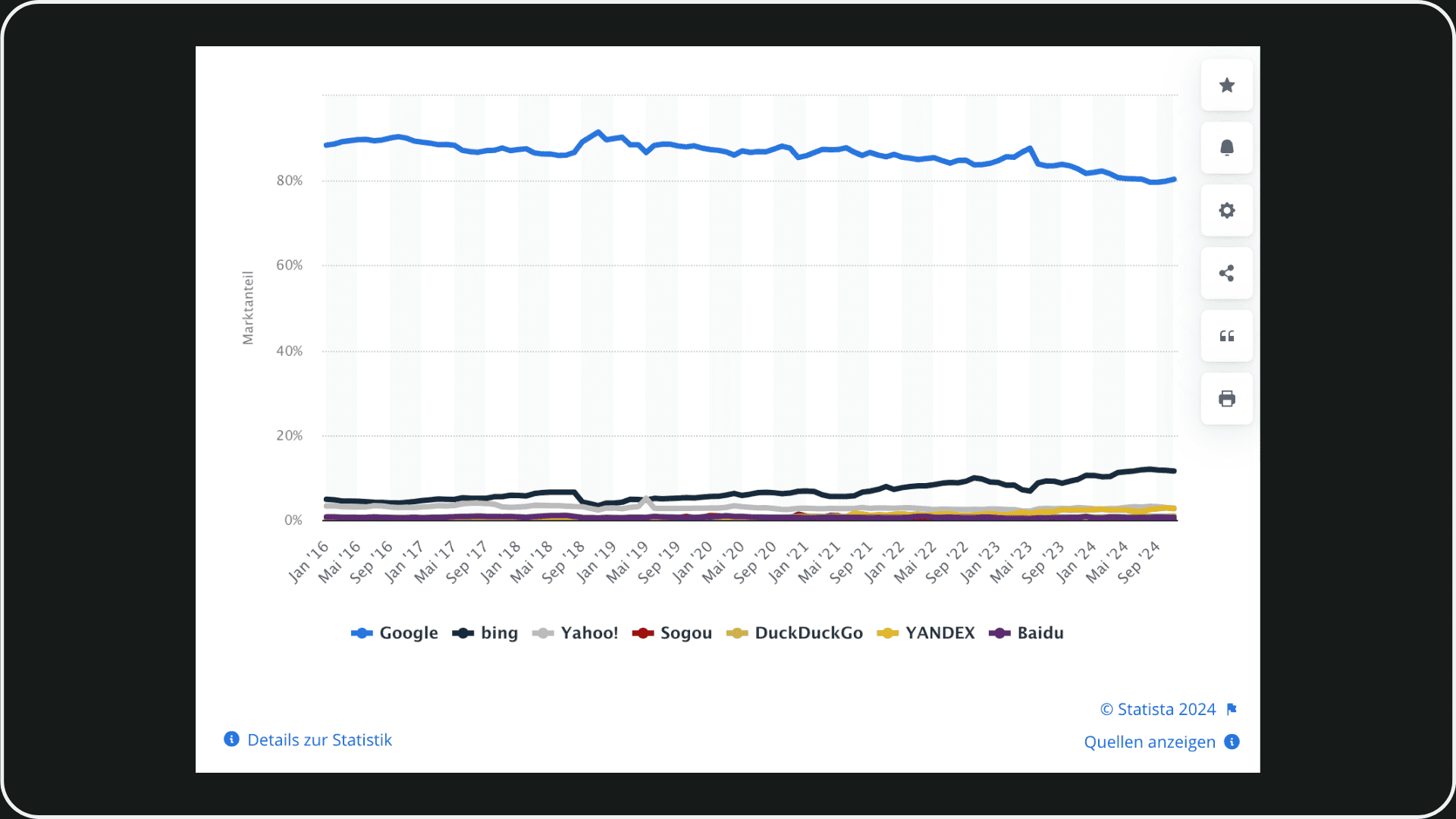
Bei mobilen Endgeräten nutzten im selben Zeitraum etwa 94 % der Nutzer Google für ihre Suchanfragen.
Diese Zahlen zeigen die enorme Relevanz von Google als Hauptzugangspunkt für Informationen im Internet.
Für Unternehmen ist es demnach umso wichtiger, ihre Webseiten für diese Plattform zu optimieren.
Das umfasst nicht nur die inhaltliche Gestaltung, sondern auch technische Aspekte wie Ladegeschwindigkeit und mobile Optimierung.
Ziel ist es, sowohl den Anforderungen der Nutzer als auch den Anforderungen der Suchmaschine gerecht zu werden.
E-Commerce wächst – und die Mehrheit des Traffics kommt über Google
Der Online-Handel boomt weiterhin und zeigt keine Anzeichen einer Verlangsamung.
Laut der Grand View Research-Studie wird der E-Commerce-Markt bis 2030 voraussichtlich einen Wert von 83,26 Billionen USD erreichen, bei einer jährlichen Wachstumsrate von 18,9 %.
Dieses enorme Wachstum macht deutlich, wie stark der Online-Handel an Bedeutung gewinnt, aber auch, wie wichtig es ist, bei relevanten Suchanfragen in den Google-Suchergebnissen präsent zu sein.
Doch wie finden die Kunden eigentlich den Weg zu den Shops?
Die Antwort ist klar: über Google.
Viele Kaufentscheidungen beginnen mit einer Google-Suche.
Ob Begriffe wie „beste Kopfhörer kaufen“ oder „günstige Flüge buchen“ – Nutzer mit einer klaren Kaufabsicht nutzen Google, um Produkte, Preise und Anbieter zu vergleichen.
Das macht SEO, aus den nachfolgend genannten Gründen, zu einem Muss für Unternehmen im E-Commerce-Bereich.
1. Kaufbereite Nutzer finden Produkte über Google
Die entscheidenden Keywords, die Verbraucher eingeben, wenn sie unmittelbar vor einem Kauf stehen, werden als Bottom-of-the-Funnel-Keywords bezeichnet.
Nutzer, die nach „jetzt kaufen“, „Produkt vergleichen“ oder „günstig kaufen“ suchen, sind in der finalen Phase ihrer Customer Journey.
Diese Suchanfragen zeigen also, dass die Nutzer bereit sind zu kaufen – und genau hier bietet sich eine grosse Chance.
Wenn beispielsweise ein Nutzer nach „beste Laufband-Angebote 2026“ sucht und deine Seite hier sichtbar ist, stehen die Chancen gut, dass der Nutzer auf deine Website klickt und ein Produkt kauft.
2. Wettbewerbsvorteil durch gezielte Keyword-Optimierung
Unternehmen, die es schaffen, gezielt auf diese Keywords zu optimieren, sichern sich einen massiven Wettbewerbsvorteil.
Wer für transaktionale Suchanfragen auf der ersten Seite von Google erscheint, hat eine deutlich höhere Chance, Käufer auf seine Website zu lenken.
Mein Tipp:
Verwende Tools wie Ahrefs oder SEMrush zur Keyword-Recherche, um die wirklich profitablen Bottom-of-the-Funnel-Keywords zu identifizieren.
3. KI-Tools wie ChatGPT sind (noch) keine Konkurrenz bei Kaufentscheidungen
Während KI-Tools wie ChatGPT viele informationsbasierte Anfragen beantworten können, sind sie (noch) keine Konkurrenz bei transaktionalen Suchen.
Kunden, die tatsächlich Produkte kaufen möchten, nutzen Google, da sie dort Preise, Produktvergleiche und echte Shops finden.
ChatGPT kann vielleicht Produktinformationen geben, aber es leitet Nutzer nicht direkt zu einem Kauf.
Unternehmen, die also ihre SEO vernachlässigen und auf KI-Tools wie ChatGPT setzen, kann es passieren, dass sie innerhalb der Kaufentscheidung des Nutzers unsichtbar bleiben.
Da Google der Ort bleibt, an dem Kaufentscheidungen stattfinden, müssen Shops ihre Sichtbarkeit in Google-Suchanfragen sicherstellen.
Was bedeutet das nun konkret für SEO im Jahr 2026?
Für Online-Shop-Betreiber bleibt SEO auch im Jahr 2026 unverzichtbar.
Wer sich auf transaktionale Keywords fokussiert und seine Inhalte auf diese Art der Suchanfragen ausrichtet, hat die besten Chancen, die Sichtbarkeit bei kaufbereiten Nutzern zu erhöhen.
Ältere Zielgruppen nutzen KI kaum
Die Nutzung von Suchmaschinen und KI-Tools variiert stark zwischen den Altersgruppen.
Während jüngere Menschen zunehmend auf KI-basierte Anwendungen wie ChatGPT setzen, bleiben ältere Zielgruppen ihrer Gewohnheit treu und bevorzugen Google.
Laut der IGEM-Digimonitor-Studie 2024 nutzen nur 40 % der Schweizer:innen KI-Tools wie ChatGPT – bei den 15- bis 19-Jährigen sind es dagegen beeindruckende 70 %.
Das zeigt: Die Bereitschaft, neue Technologien wie KI in den Alltag zu integrieren, ist bei jungen Menschen deutlich höher als bei älteren Zielgruppen.
Doch das ist noch nicht alles.
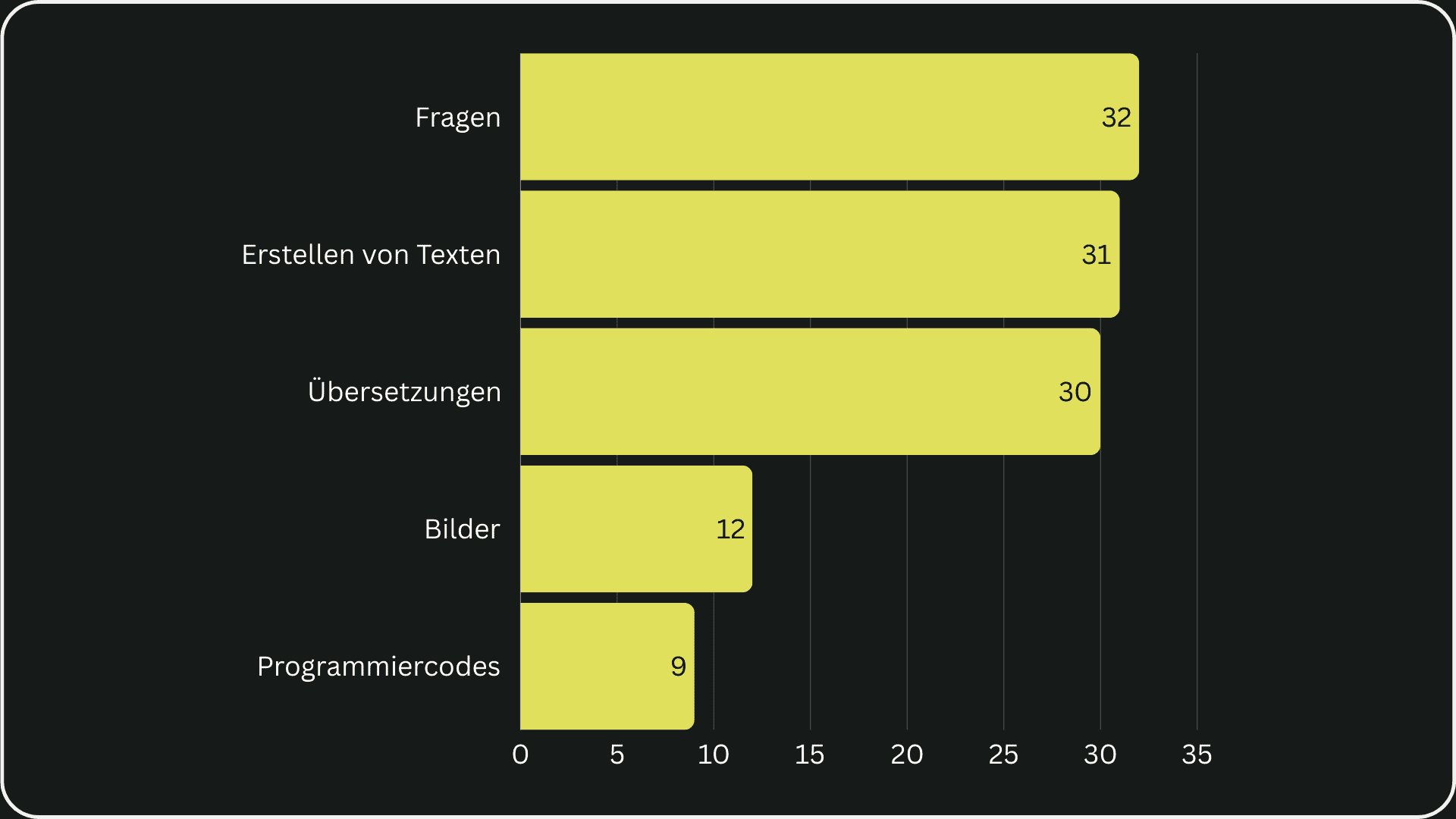
Die IGEM-Digimonitor-Studie liefert auch Einblicke in die Hauptnutzungszwecke von KI-Tools in der Schweiz:
- 32 % der Schweizer:innen nutzen KI, um Fragen zu beantworten
- 31 % verwenden sie, um Texte zu erstellen
- 30 % greifen auf KI zurück, um Übersetzungen durchzuführen
Das zeigt, dass KI-Tools wie ChatGPT vor allem bei informationsbasierten Anfragen bevorzugt werden – nicht bei transaktionalen Suchen oder Produktkäufen.
Während jüngere Nutzer sich schnell an neue Technologien anpassen, zeigt die IGEM-Digimonitor-Studie 2024 auch, dass ältere Zielgruppen weiterhin auf klassische Suchmaschinen setzen.
Google bleibt dabei die bevorzugte Wahl für Suchanfragen.
Das hat mehrere Gründe:
Vertrauen und Gewohnheit
Ältere Nutzer bleiben bei Plattformen, die sie seit Jahren verwenden und denen sie vertrauen.
Google ist für viele seit den frühen 2000ern die erste Anlaufstelle für Recherchen im Internet.
Diese Gewohnheit hat sich verfestigt – auch, weil Google seine Benutzerfreundlichkeit über die Jahre kontinuierlich optimiert hat.
Unkenntnis neuer Technologien
Viele ältere Nutzer haben keinen direkten Zugang zu Informationen über neue Technologien wie KI-Tools.
Sie sind mit Begriffen wie «ChatGPT» nicht vertraut und verstehen den Mehrwert solcher Tools nicht sofort.
Dadurch bleibt Google die bevorzugte Plattform.
Komfortzone
Die Nutzung neuer Technologien wie KI-Tools erfordert eine gewisse Lernkurve.
Ältere Zielgruppen neigen dazu, an Gewohntem festzuhalten, weil es einfacher und komfortabler ist.
Warum sollten sie neue Tools ausprobieren, wenn Google bereits alles bietet, was sie benötigen?
Warum ist das aber nun wichtig für SEO im Jahr 2026?
Ältere Zielgruppen machen oft einen Grossteil der zahlungskräftigen Konsumenten aus.
Das liegt daran, dass ihre Kaufkraft höher ist als die von jüngeren Zielgruppen.
Und da ältere Zielgruppen hauptsächlich auf Google und (noch) nicht auf KI-Tools wie ChatGPT zurückgreifen, ist SEO demnach auch 2026 die beste Möglichkeit, diese Nutzer zu erreichen.
SEO für KI-Suchen
Eine spannende Entwicklung ist auch die zunehmende Verknüpfung von SEO und künstlicher Intelligenz.
Unternehmen, die für Google optimieren, profitieren auch von der Sichtbarkeit bei KI-Suchanfragen (wie in ChatGPT oder SearchGPT).
Das liegt daran, dass KI-Modelle wie ChatGPT auf öffentlich zugängliche Inhalte zurückgreifen.
Wer also in klassische SEO-Massnahmen investiert, hat automatisch auch Chancen, in KI-basierten Suchsystemen gelistet zu werden.
Was bedeutet das nun für deine SEO-Strategie?
Die Optimierung für KI-Suchen und die klassische Google-Suche überschneiden sich stark.
Indem du Inhalte für Google SEO optimierst (mit Keywords, Core Web Vitals, strukturierten Daten usw.), erhöhst du auch die Chance, dass deine Inhalte in KI-generierten Antworten verwendet werden.
Technische SEO bleibt relevant
Google wird bei den Core Web Vitals (Largest Contentful Paint, First Input Delay und Cumulative Layout Shift) noch strenger.
Nutzererfahrung (User Experience) und Ladegeschwindigkeit werden demnach weiterhin wichtige Ranking-Faktoren sein.
Webseiten, die schnell laden, werden also besser bewertet.
Aber warum ist das wichtig?
- Schnelle Webseiten führen zu niedrigeren Absprungraten.
- Bessere User Experience (UX) führt zu besseren Rankings.
- Core Web Vitals werden zu einem Pflichtprogramm für jede Website.
Was bedeutet das nun für deine SEO?
Als Webseitenbetreiber musst du sicherstellen, dass deine Seite schnell lädt, gut navigierbar ist und mobilfreundlich bleibt.
Denn Google belohnt eine bessere User-Experience mit höheren Rankings.
Zero-Click-Suchen nehmen zu – trotzdem lohnt sich SEO
Zero-Click-Suchen (Suchanfragen, die auf der Ergebnisseite ohne Klick beantwortet werden) nehmen zu.
Google zeigt Wetter, Währungsumrechnungen, Definitionen und mehr direkt in den Suchergebnissen an.
Das kann zu einem Rückgang der Klicks führen.
Aber warum ist das jetzt wichtig?
Und inwiefern lohnt sich dann SEO trotzdem noch?
Nutzer bekommen zwar Antworten direkt in der Suche und klicken oft nicht mehr auf die Webseiten.
Das heisst, dass Inhalte, die einfach von KI beantwortet werden können (z. B. Definitionen), nicht mehr priorisiert werden sollten.
Aber tiefergehende Inhalte, die eine KI nicht beantworten kann, gewinnen dafür umso mehr an Bedeutung.
Man sollte sich demnach von rein informationsbasierten Keywords lösen und sich auf tiefergehende Inhalte konzentrieren.
Und mit diesen tiefergehenden Inhalten kann man organischen Traffic generieren und auch seine Conversion Rate steigern.
Video-SEO wird wichtiger
Video-Inhalte gewinnen an Bedeutung.
Plattformen wie YouTube sind die zweitgrösste Suchmaschine der Welt.
Zudem erscheinen YouTube-Videos häufig in den Google-Suchergebnissen.
Durch die zunehmende Nachfrage nach Videoinhalten muss Video-SEO fester Bestandteil jeder SEO-Strategie sein.
Warum ist das aber wichtig?
- Google zeigt Videos in den Suchergebnissen an.
- Nutzer bevorzugen Videos bei komplexen Themen.
- Video-Inhalte werden häufiger geteilt, was die Sichtbarkeit erhöht.
Wenn du Produkte oder Dienstleistungen erklärst, lohnt es sich also sehr, Video-Content zu erstellen.
Achte dabei darauf, die Videotitel, Beschreibungen und Metadaten zu optimieren.
Gründe, die gegen SEO sprechen?
Die Suchmaschinenoptimierung (SEO) wird im Jahr 2026 mit neuen Herausforderungen konfrontiert.
Künstliche Intelligenz (KI), Generative Search und AI Overviews verändern das Nutzerverhalten und beeinflussen die Art und Weise, wie Inhalte in den Suchergebnissen präsentiert werden.
Demnach gibt es natürlich nicht nur Gründe, die für SEO sprechen, sondern auch Gründe, die dagegen sprechen.
Im nachfolgenden Abschnitt möchte ich auf die wichtigsten Argumente, die gegen SEO sprechen, eingehen.
AI und Generative Search nehmen Traffic weg
Eine der grössten Bedrohungen für SEO ist die Einführung von AI Overviews.
Diese Funktion, die bereits ausgerollt wurde, ermöglicht es Suchmaschinen wie Google, KI-generierte Antworten direkt in den Suchergebnissen anzuzeigen – oft oberhalb der klassischen organischen Ergebnisse.
Deshalb fragen sich viele: Lohnt sich SEO überhaupt noch?
Wie funktioniert AI Overviews aber nun genau?
Wenn ein Nutzer eine Frage in die Google-Suche eingibt, generiert die Intelligenz der KI eine direkte Antwort und präsentiert diese im oberen Bereich der Suchergebnisse.
Das bedeutet, dass der Nutzer in den meisten Fällen keine Notwendigkeit mehr darin sieht, auf die organischen Suchergebnisse zu klicken, da er ja seine Antwort bereits im oberen Bereich der Suchergebnisse erhält.
Laut einer Gartner-Studie könnten dadurch bis zu 25 % des organischen Traffics verloren gehen.
Was bedeutet das nun?
Seiten, die bis jetzt auf informative Keywords wie „Was ist SEO?“ oder „Wie funktioniert Voice Search?“ ranken, verlieren potenziellen Traffic, weil Nutzer ihre Antworten bereits in den AI Overviews finden.
Insbesondere wird das Blogging-SEO schwieriger, da auch viele informelle Suchanfangen über ChatGPT von Nutzern angefragt werden.
Man sollte sich dementsprechend auf Deep Content, also Suchanfragen und Keywords konzentrieren, bei denen eine AI-Antwort nicht ausreicht, sondern mehr Informationen benötigt werden, um die Suchintention zu befriedigen.
Am besten setzt man hier auf Long-Tail-Keywords, bei denen der Nutzer spezifische Expertenmeinungen will und 150-Wörter-Antworten von ChatGPT definitiv nicht ausreichen.
Affiliate-Marketing ist fast nicht mehr möglich
Seit dem Google Helpful Content Update 2023 ist es für viele Affiliate-Webseiten schwer geworden, profitabel zu bleiben.
Wo früher eine einfache Produktempfehlung ausgereicht hat, fordert Google nun hochwertige, nutzerzentrierte Inhalte.
Webseiten, die rein auf Affiliate-Links basieren, werden algorithmisch zurückgestuft.
Aber warum ist das so?
Google will die User-Experience (UX) verbessern und Belohnungen für Inhalte schaffen, die den Nutzern echten Mehrwert bieten.
Seiten, die also vor allem darauf abzielen, Affiliate-Provisionen zu generieren, werden als «nicht hilfreich» eingestuft – insbesondere, wenn der Text keinen zusätzlichen Mehrwert bietet.
Welche Inhalte stuft Google aber nun als «unbehilflich» ein?
- «Thin Content» (Inhalte ohne echten Mehrwert)
- Automatisch generierte Produktlisten ohne tiefgehende Analysen
- Inhaltsseiten mit zu vielen Affiliate-Links
Eine simple Seite mit einem Affiliate-Link wie „Top 10 Küchenmesser 2026“ reicht demnach nicht mehr aus.
Stattdessen erwartet Google Expertenmeinungen, persönliche Erfahrungen, Testberichte und tiefgehende Informationen zu den Produkten.
Wer das nicht liefert, riskiert den Verlust seiner Sichtbarkeit in den Suchergebnissen.
SEO-Trends 2026: Fokus auf E-A-T
Das Konzept von E-A-T steht bei SEO im Jahr 2026 definitiv im Vordergrund.
E-A-T steht dabei für Folgendes:
- Expertise: Belege dein Wissen mit fundierten Analysen, echten Tests und persönlichen Erfahrungen.
- Autorität: Zeige, dass deine Website in einem bestimmten Bereich (z. B. Elektronik, Sportgeräte) autorisiert ist.
- Vertrauen: Benutzer sollen deiner Seite vertrauen. Dazu braucht es Transparenz, Impressum, Autorenprofile und keine irreführenden Affiliate-Links.
Als Webseitenbetreiber muss man sich demnach unbedingt von der Idee lösen, einfache Affiliate-Seiten zu erstellen.
Viel mehr sollte man sich als Experte im jeweiligen Bereich positionieren und den Nutzern einzigartige Inhalte bieten, die weit über eine einfache Produktliste hinausgehen.
SEO wird kompetitiver – und dadurch teurer
SEO wird im Jahr 2026 härter, teurer und anspruchsvoller.
Neue Technologien wie AI Overviews und die steigende Anzahl von Zero-Click-Suchen verschärfen den Wettbewerb um die Top 3 Positionen in den Suchergebnissen.
Unternehmen, die früher mit «einfachen SEO-Massnahmen» Erfolg hatten, sehen sich nun mit einer völlig neuen Realität konfrontiert.
Das ist ein Problem, denn nur die ersten drei Plätze der Suchergebnisse erhalten den Grossteil des Traffics.
Studien zeigen, dass über 60 % der Klicks an die ersten drei Positionen gehen.
Da AI Overviews künftig einen grossen Teil der Suchoberfläche einnehmen werden, rutschen die klassischen organischen Treffer noch weiter nach unten.
Warum wird SEO 2026 so viel kompetitiver?
Einführung der AI Overviews
AI Overviews liefern den Nutzern bereits in der Suchergebnisvorschau eine KI-generierte Antwort auf ihre Fragen – ohne dass sie auf eine Website klicken müssen.
Was änderte sich dadurch?
- Verdrängung der klassischen Suchergebnisse: AI Overviews erscheinen an oberster Stelle und verdrängen die ersten organischen Treffer.
- Sinkende Klickrate (CTR) für organische Treffer: Viele Nutzer erhalten ihre Antworten direkt in der AI-Box und klicken nicht mehr auf Links.
- Mehr Aufwand für SEO-Strategien: Unternehmen müssen ihre Inhalte so optimieren, dass sie von der KI als relevant erkannt werden, um in die AI Overviews aufgenommen zu werden.
Was kannst du tun?
- Deep Content erstellen, der KI-gesteuerte Antworten übertrifft.
- Fokus auf Long-Tail-Keywords, die spezifischer und tiefer sind als generische Fragen wie „Was ist SEO?“.
- E-A-T (Expertise, Autorität, Vertrauen) stärken, um als vertrauenswürdige Quelle für KI-Systeme zu gelten.
Zero-Click-Suchen nehmen zu
Zero-Click-Suchen sind Suchanfragen, bei denen die Antwort direkt in den Suchergebnissen angezeigt wird.
Nutzer müssen nicht mehr auf eine Website klicken, um die gesuchte Information zu finden.
Diese Suchen sind durch Featured Snippets, Knowledge Panels und AI Overviews gestiegen.
Was ändert sich dadurch?
- Sinkende Klickraten: Websites, die früher durch informative Inhalte Klicks generiert haben, verlieren diesen Traffic.
- Weniger Traffic, obwohl du rankst: Selbst wenn du in den Top 3 erscheinst, kann der Nutzer bereits durch die AI Overview oder den Featured Snippet zufrieden gestellt werden.
Was kannst du tun?
- Setze auf Inhalte, die KI nicht direkt beantworten kann, wie ausführliche Tutorials, Anleitungen oder spezifische Expertenmeinungen.
- Verwende strukturiertes Daten-Markup, damit Google den Inhalt besser versteht und deine Website als Quelle in Featured Snippets verwenden kann.
Wettbewerb um die Top 3 Positionen wird härter
Die Top-3-Positionen waren schon immer wertvoll, aber jetzt wird der Druck noch grösser.
Während früher auch Positionen 4-10 Traffic generierten, werden diese jetzt durch AI-Boxen, Google Ads und Zero-Click-Suchen nach unten gedrängt.
Warum ist das problematisch?
- Platz 1 bis 3 ist die neue Pflicht: Nur die ersten drei Plätze erhalten den Grossteil der Klicks.
- Konkurrenz steigt: Da Unternehmen die Bedeutung der Top 3 erkennen, investieren immer mehr in SEO, wodurch der Wettbewerb steigt.
- Steigende Kosten: SEO-Agenturen und interne Teams müssen mehr Zeit und Ressourcen aufwenden, um die Top-Positionen zu erreichen.
Was kannst du tun?
- Erstelle Inhalte, die intensivere Fragen beantworten (Deep Content) und nicht mit einer kurzen AI-Antwort abgedeckt werden können.
- Fokussiere dich auf Bottom-of-the-Funnel-Keywords (z. B. „Kopfhörer kaufen“ statt „Was ist der beste Kopfhörer?“).
- Backlinks von seriösen Seiten steigern die Autorität deiner Website und helfen dir, die Top 3 zu erreichen.
SEO wird teurer – aber warum?
Die gestiegene Komplexität von SEO erfordert nicht nur mehr Zeit, sondern auch mehr Fachwissen.
SEO-Agenturen und interne SEO-Teams müssen sich mit technischen Anforderungen (Core Web Vitals, Ladegeschwindigkeit, Mobile-First-Indexing) und inhaltlichen Anforderungen (E-A-T, KI-Content) auseinandersetzen.
Technische SEO wird anspruchsvoller:
- Ladegeschwindigkeit (Largest Contentful Paint) muss extrem kurz sein.
- Core Web Vitals sind entscheidende Rankingfaktoren.
- Mobile-First-Indexing verlangt, dass mobile Versionen der Website fehlerfrei funktionieren.
Inhalte müssen besser sein:
- «Thin Content» funktioniert nicht mehr. Unternehmen müssen Inhalte mit Mehrwert erstellen (Deep Content).
- Expertenmeinungen, umfassende Produktanalysen und Tutorials sind gefragt.
Wettbewerb wird teurer:
- SEO-Agenturen müssen mehr Aufwand betreiben, um in einem umkämpften Feld zu bestehen.
- Unternehmen müssen mindestens 6-12 Monate auf die Ergebnisse warten, was eine langfristige Investition erfordert.
Was kannst du tun?
- Technische SEO priorisieren (Core Web Vitals, Ladegeschwindigkeit, Mobile-First-Indexing).
- Investiere in Tools zur Keyword-Recherche und Content-Optimierung (z. B. Ahrefs, Semrush, SurferSEO).
- Arbeite mit SEO-Experten zusammen, die dir helfen, in einem hart umkämpften Markt zu bestehen.
SEO dauert länger als früher
In der Vergangenheit konnte man durch gezielte Massnahmen innerhalb von 3–6 Monaten sichtbare Ergebnisse erzielen.
2026 dauert SEO jedoch länger – 6 bis 12 Monate oder mehr.
Der Grund ist der gestiegene Wettbewerb, die höheren Anforderungen an Inhalte und die Auswirkungen der AI Overviews.
- Google braucht länger, um E-A-T zu bewerten: Webseiten müssen Autorität, Vertrauen und Expertise beweisen.
- Technische Änderungen dauern länger: Massnahmen wie die Optimierung der Core Web Vitals erfordern Zeit.
- Wettbewerb um Backlinks: Links von seriösen Seiten zu erhalten, dauert Zeit.
Google wird mehr Ads schalten – wie jedes Jahr
Google wird auch im Jahr 2026 voraussichtlich mehr Anzeigen (Ads) und Widgets in die Suchergebnisse integrieren.
Das ist ein Trend, den wir bereits in den vergangenen Jahren beobachten konnten, und er hat direkte Auswirkungen auf die Sichtbarkeit der organischen Suchergebnisse.
Die Anzeigen nehmen immer mehr Platz auf den Suchergebnisseiten ein, insbesondere auf mobilen Geräten, wo der Platz ohnehin begrenzt ist.
Durch diese Entwicklung wird der ROI bei SEO zunehmend beeinträchtigt, da die Klickrate (CTR) für organische Treffer weiter sinkt.
Mit der Einführung von AI Overviews wird die Situation noch kritischer.
Da diese generierten KI-Antworten direkt oberhalb der organischen Treffer erscheinen, verlieren klassische Suchergebnisse noch mehr an Sichtbarkeit.
Die Kombination aus Google Ads, AI Overviews und Widgets bedeutet, dass organische Suchergebnisse oft erst «unterhalb des Falzes» sichtbar werden, was zu einem drastischen Rückgang der Klicks führen kann.
Unternehmen, die bisher auf rein organische SEO-Strategien gesetzt haben, müssen demnach ihre Herangehensweise anpassen.
Zusätzlich gibt es Spekulationen darüber, dass Google auch in den AI Overviews Werbung integrieren könnte.
Das würde bedeuten, dass nicht nur die klassischen Suchergebnisse durch Anzeigen verdrängt werden, sondern auch die AI-generierten Antworten von Werbeformaten durchsetzt werden.
Für Unternehmen, die stark von organischem Traffic abhängen, könnte das einen weiteren Verlust an Sichtbarkeit bedeuten.
Diese Entwicklung hat demnach unmittelbare Folgen für die SEO-Strategie von Unternehmen.
Da die oberen Positionen zunehmend von Anzeigen und KI-Widgets eingenommen werden, wird es schwieriger, mit organischen Inhalten die Top-Positionen zu erreichen.
Unternehmen müssen daher stärker auf Bottom-of-the-Funnel-Keywords setzen, die eine klare Kaufabsicht signalisieren, und Long-Tail-Keywords priorisieren, die eine geringere Konkurrenz haben.
Zudem rückt das Thema E-A-T (Expertise, Autorität, Vertrauen) weiter in den Fokus.
Webseiten, die durch hohe inhaltliche Relevanz und Expertenmeinungen überzeugen, haben bessere Chancen, in den organischen Ergebnissen zu bestehen.
Google wird möglicherweise aufgesplittet und verliert an Marktanteil
Die US-Regierung hat in einem Kartellrechtsverfahren vorgeschlagen, dass Google seinen Chrome-Browser veräussern soll, um seine marktbeherrschende Stellung im Bereich der Internetsuche zu mindern.
Diese Massnahme zielt darauf ab, die enge Integration von Chrome mit anderen Google-Diensten aufzubrechen, die als wettbewerbswidrig angesehen werden.
Chrome ist derzeit der weltweit führende Webbrowser mit einem Marktanteil von über 60 %.
Diese Dominanz ermöglicht es Google, seine Suchmaschine als Standard festzulegen und so den Datenfluss zu kontrollieren, was seine Position im Online-Marketing weiter stärkt.
Ein erzwungener Verkauf von Chrome könnte diese Dynamik erheblich verändern, da Google dann nicht mehr in der Lage wäre, seine Suchdienste nahtlos in den Browser zu integrieren.
Sollte Google gezwungen sein, Chrome zu verkaufen, könnte das zu einem signifikanten Verlust von Marktanteilen führen.
Viele Nutzer könnten dann auf alternative Browser umsteigen, die andere Suchmaschinen als Standard verwenden.
Zudem könnten Wettbewerber wie Microsoft Edge oder Mozilla Firefox ihre Positionen stärken, was den Wettbewerb im Browsermarkt intensivieren würde.
Darüber hinaus könnten innovative Suchlösungen wie SearchGPT an Bedeutung gewinnen und weitere Marktanteile von Google abziehen.
Für das Online-Marketing hätte eine solche Entwicklung weitreichende Konsequenzen.
Unternehmen müssten ihre Strategien anpassen, um in einer diversifizierten Browser- und Suchmaschinenlandschaft effektiv zu bleiben.
Die Notwendigkeit, Inhalte für verschiedene Plattformen zu optimieren, würde steigen, und die Abhängigkeit von Google als primärem Kanal könnte abnehmen.
Insgesamt könnte die Aufspaltung von Google und der mögliche Verkauf von Chrome zu einer Neuausrichtung des digitalen Marktes führen, mit potenziell positiven Auswirkungen auf den Wettbewerb und die Innovationskraft im Bereich der Suchtechnologien.
SEO 2026 – Komplexer, teurer, aber immer noch unverzichtbar
SEO verändert sich – und das mit zunehmender Geschwindigkeit.
Künstliche Intelligenz (KI), AI Overviews und Zero-Click-Suchen stellen die SEO-Welt vor neue Herausforderungen.
Top-of-the-Funnel-Keywords (also informative Anfragen wie «Was ist SEO?») werden zunehmend von KI-Suchen beantwortet, ohne dass Nutzer auf eine Website klicken müssen.
Doch trotz dieser Veränderungen bleibt Google die dominierende Suchmaschine weltweit – und das wird sich auch 2026 voraussichtlich nicht komplett ändern.
Google ist nicht nur die Plattform, auf der die meisten Menschen ihre Kaufentscheidungen treffen, sondern auch die zentrale Anlaufstelle für den Boom des E-Commerce.
Unternehmen, die bei Google gut sichtbar sind, können sich weiterhin auf nachhaltigen organischen Traffic und damit potenziell höhere Umsätze verlassen.
Warum SEO auch 2026 relevant bleibt
Google bleibt die Nummer 1
Obwohl KI-Suchen wie ChatGPT immer beliebter werden, bleibt Google die meistgenutzte Suchmaschine der Welt.
Transaktionale Suchanfragen – also Anfragen mit einer klaren Kaufabsicht – laufen weiterhin über Google.
Während Nutzer auf KI-Tools oft einfache Fragen stellen, werden für Kaufentscheidungen weiterhin Google und E-Commerce-Plattformen bevorzugt.
SEO ist nicht nur Google
SEO ist schon lange nicht mehr nur auf Google beschränkt.
Viele der Massnahmen, die du zur Optimierung deiner Website für Google umsetzt, wirken sich auch auf KI-Suchsysteme wie ChatGPT oder Bing AI aus.
Optimierungen bei der Ladegeschwindigkeit, der Mobile-First-Indexierung und den Core Web Vitals verbessern die Sichtbarkeit deiner Inhalte – sowohl bei Google als auch bei KI-gestützten Suchsystemen.
SEO bereitet dich auf die Zukunft vor
Auch wenn sich die Regeln ändern, bleibt eines sicher: SEO bleibt relevant.
Die Spielregeln mögen komplexer werden, aber Unternehmen, die sich jetzt auf diese Veränderungen einstellen, werden langfristig profitieren.
KI-Suchen werden in den kommenden Jahren weiterentwickelt, aber auch diese Systeme benötigen Inhalte, die sie den Nutzern anzeigen können.
Wenn deine Inhalte in Suchmaschinen wie Google gut ranken, ist die Chance gross, dass sie auch in KI-Suchen präsent sind.
Ja, SEO wird teurer – aber der ROI bleibt hoch
Die steigende Komplexität und die zunehmende Konkurrenz machen SEO teurer.
Unternehmen, die mit SEO erfolgreich sein wollen, müssen mehr Zeit, Ressourcen und Fachwissen investieren.
Technische SEO (wie Core Web Vitals), Deep Content und E-A-T (Expertise, Autorität, Vertrauen) werden zu entscheidenden Faktoren.
Doch trotz der höheren Kosten bleibt SEO einer der profitabelsten Kanäle im Online-Marketing.
Im Vergleich zu bezahlter Werbung (Google Ads) bietet SEO langfristigen, «kostenlosen» Traffic.
Ein Top-Ranking bei Google bringt Sichtbarkeit, Klicks und Verkäufe – und das dauerhaft.
Unternehmen, die frühzeitig in ihre SEO-Strategie investieren, sichern sich langfristig einen Vorsprung vor der Konkurrenz.
Kostenlose SEO-Erstanalyse für deine Website
Wenn du mit der Optimierung deiner Webseite oder der Entwicklung einer SEO-Strategie überfordert bist, sind wir von Beyondweb die richtigen Ansprechpartner für dich.
Mit unserer kostenlosen SEO-Erstanalyse erhältst du eine klare Vorstellung davon, wie viel Traffic-Potenzial in deiner Website steckt – und vor allem, welche Fehler dich aktuell daran hindern, bessere Rankings zu erzielen.
Was bekommst du bei der SEO-Erstanalyse?
- Detaillierte Analyse deiner Website: Wir untersuchen technische Schwachstellen, Inhalte und die Nutzererfahrung (User Experience).
- Konkrete SEO-Tipps: Du erhältst von uns individuelle Empfehlungen, die dir zeigen, wie du deine Sichtbarkeit steigern kannst.
- Einschätzung deines Potenzials: Wie viel Potenzial hat deine Website wirklich? Wir zeigen dir, wo sich der grösste Hebel für mehr Traffic versteckt.
Und das Beste: Die SEO-Erstanalyse ist völlig kostenlos und unverbindlich.
Fülle einfach unser Kontaktformular aus, und unser Team bei Beyondweb meldet sich bei dir.
Gemeinsam entwickeln wir eine SEO-Strategie, die genau auf deine Website zugeschnitten ist.
Es war noch nie so einfach, die Sichtbarkeit in den Suchmaschinen zu verbessern und langfristig von organischem Traffic zu profitieren.